Introduction
The cloud kitchen model has revolutionized the food delivery ecosystem, allowing operators to run multiple virtual restaurant brands from a single kitchen. In this highly competitive space, understanding customer preferences, market trends, and competitor offerings is essential. Cloud Kitchen Data Scraping has emerged as a powerful tool for operators to gain actionable insights and optimize menu planning.
By systematically collecting and analyzing data from various food delivery platforms, cloud kitchens can make informed decisions about what to cook next, maximizing profitability and customer satisfaction.
For operators looking to leverage data effectively, Web Scraping for Cloud Kitchen Market Insights enables them to monitor changing trends, popular dishes, and pricing strategies across competitors. With structured data in hand, cloud kitchen teams can forecast demand, design appealing menus, and ensure they meet customer expectations.
Understanding the Importance of Cloud Kitchen Data
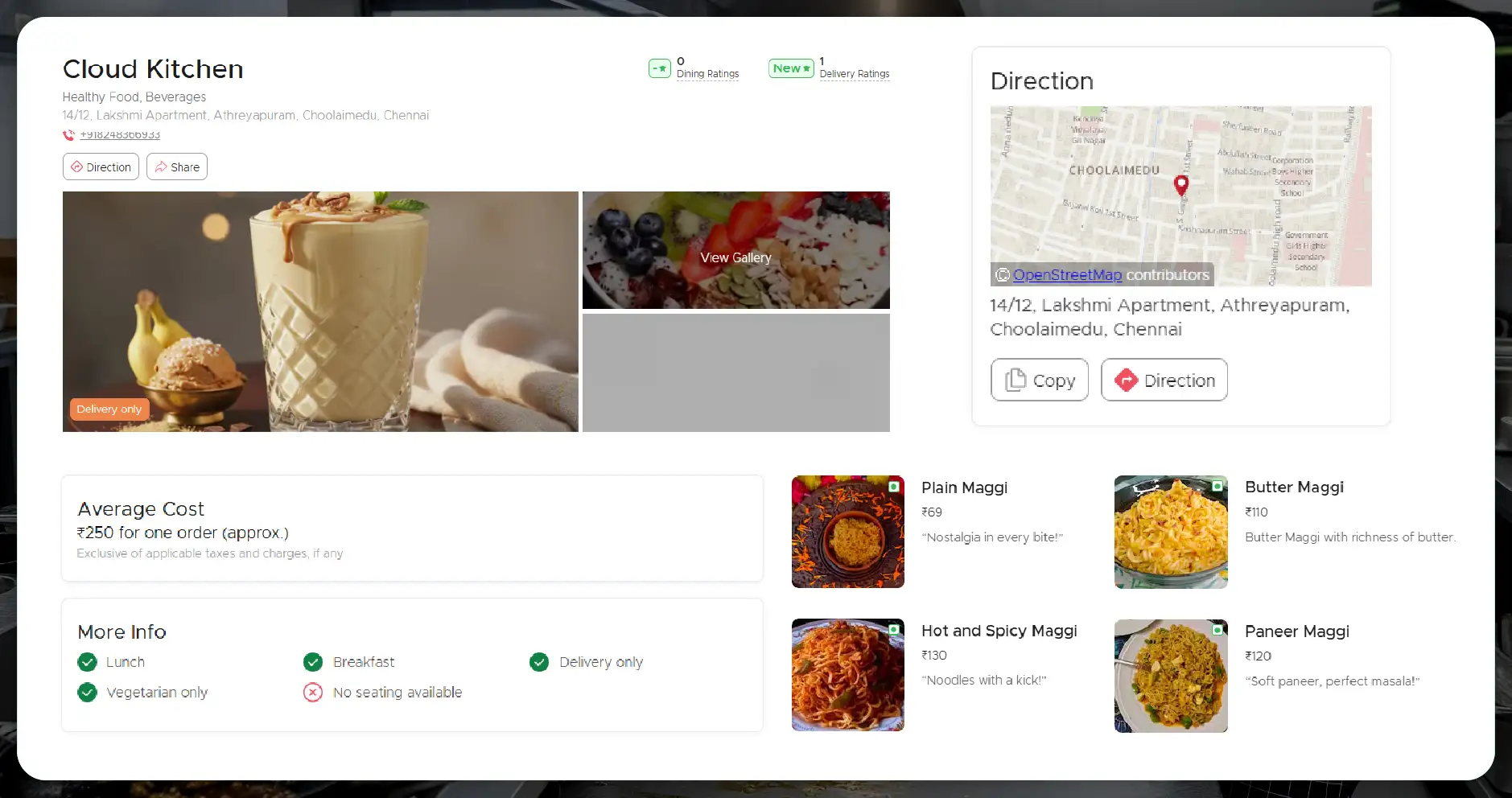
Cloud kitchens, also known as virtual kitchens, operate without a traditional dine-in space. Instead, they rely entirely on delivery platforms like Swiggy, Zomato, Uber Eats, and others. In this model, menu choices, pricing, and delivery efficiency directly impact business success.
Cloud Kitchen Data Extraction for Menu Planning helps operators gather information about which dishes are trending, customer ratings, peak order times, and competitor pricing strategies. This data-driven approach ensures that menu planning is not based on guesswork but on real market intelligence.
The key benefits of cloud kitchen data include:
- Identifying Popular Dishes: Understanding which cuisines or dishes are in demand helps prioritize kitchen production.
- Pricing Optimization: Comparing competitors’ pricing ensures your menu remains competitive while maximizing margins.
- Demand Forecasting: Predicting peak hours and days for certain items helps with inventory management and reduces food waste.
- Customer Preference Insights: Analyzing reviews and ratings helps refine recipes and menu offerings.
By leveraging these insights, cloud kitchens can increase order volumes, reduce operational inefficiencies, and enhance overall customer satisfaction.
Key Data Points for Cloud Kitchen Insights
To make informed menu decisions, cloud kitchens need to extract a variety of data points from food delivery platforms. These include:
- Menu Items and Categories: Comprehensive lists of dishes offered by competitors.
- Pricing Information: Current pricing, discounts, and promotions.
- Customer Reviews & Ratings: Insights into what customers like or dislike.
- Order Volume Trends: Identifying high-demand items and peak times.
- Delivery Performance Metrics: Time taken for delivery, cancellations, and customer complaints.
By consolidating this data, operators can leverage Data Scraping Solutions for Cloud Kitchen Growth to create a well-informed strategy that aligns with customer demand and market trends.
Techniques and Tools for Cloud Kitchen Data Scraping
Extracting actionable insights from food delivery platforms requires specialized techniques and tools. Some popular methods include:
- Automated Web Scraping Scripts: Tools like Python’s BeautifulSoup, Selenium, and Scrapy are commonly used to collect structured data from menus, pricing pages, and reviews.
- API Integration: Using Food Delivery Scraping API Services, operators can access real-time menu updates, pricing changes, and order trends.
- Data Aggregation Platforms: Cloud-based solutions allow operators to gather, clean, and analyze large datasets from multiple sources efficiently.
- Competitor Tracking: Cloud Kitchen Competitor Menu Data Extraction ensures operators stay updated on new dishes, offers, and seasonal promotions.
These tools empower cloud kitchen teams to implement Food Delivery Data Extraction for Cloud Kitchen Insights, ensuring menu planning decisions are backed by reliable, actionable data.
Benefits of Food Delivery Data Scraping Services
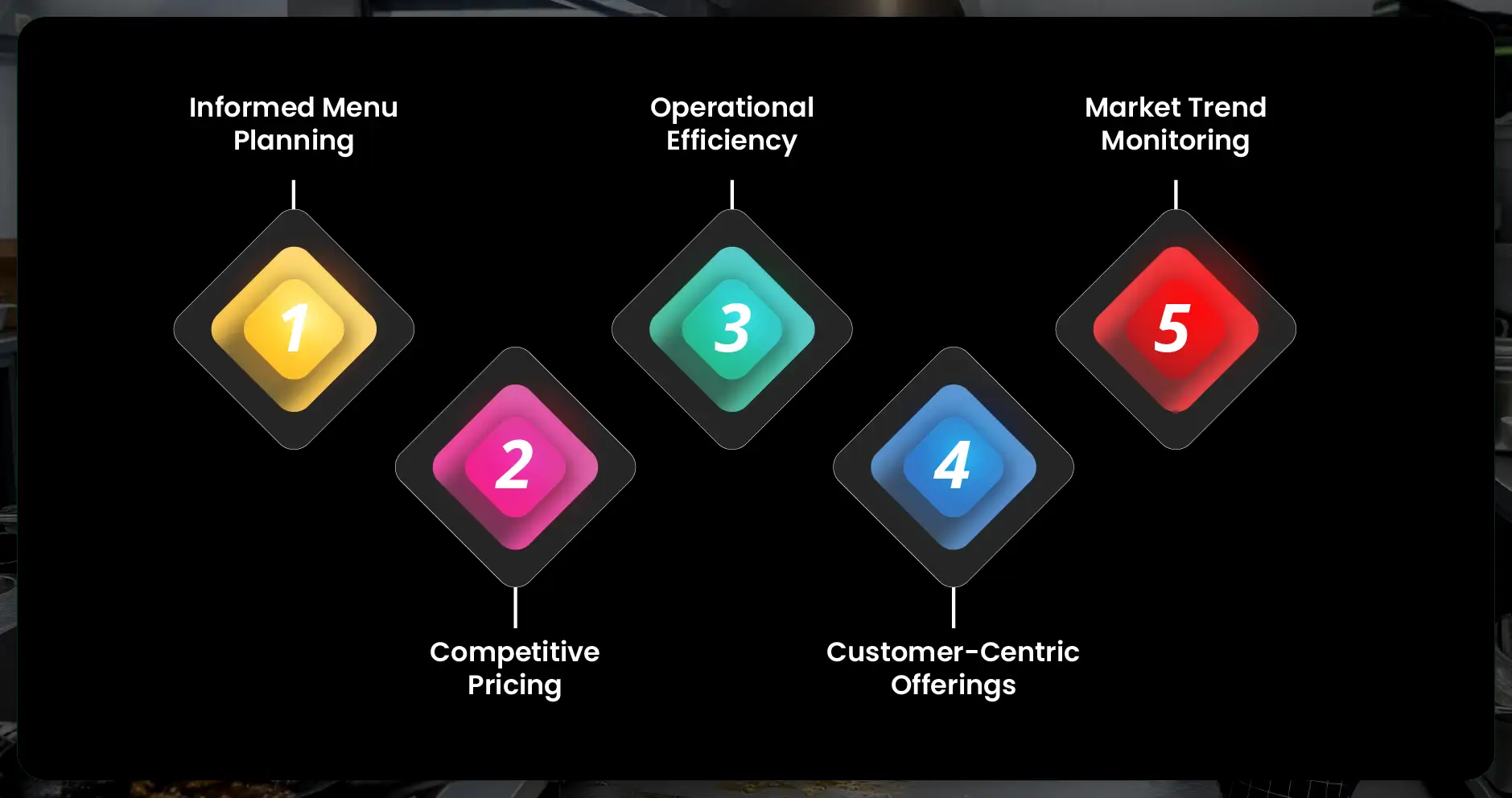
Leveraging Food Delivery Data Scraping Services provides several advantages:
- Informed Menu Planning: Cloud kitchens can introduce dishes that align with customer demand and seasonal trends.
- Competitive Pricing: Real-time competitor pricing insights allow operators to adjust their menus to remain attractive.
- Operational Efficiency: Forecasting demand ensures optimal ingredient procurement, reducing wastage and cost.
- Customer-Centric Offerings: Analyzing ratings and reviews helps in refining recipes and improving customer satisfaction.
- Market Trend Monitoring: Continuous data collection keeps operators updated on emerging cuisines, popular combos, and promotional strategies.
Furthermore, integrating these insights with internal dashboards ensures that decision-making is data-driven, precise, and scalable.
Leveraging Restaurant Menu Data Scraping
Restaurant Menu Data Scraping is essential for cloud kitchens to understand what competitors are offering and at what price points. This process allows operators to benchmark their menus, identify gaps, and introduce unique dishes that stand out in a crowded market.
Key advantages include:
- Monitoring competitor menu updates in real-time.
- Identifying trending dishes and cuisines.
- Understanding portion sizes, ingredients, and special offers.
- Gaining insights into seasonal menus or festival-based promotions.
Combining these insights with internal analytics allows cloud kitchens to make strategic choices that maximize customer satisfaction and revenue growth.
Boost your cloud kitchen’s profits today – leverage our data scraping services to decide what to cook next!
Integrating Data into Analytics and Dashboards
Collected data is most valuable when integrated into analytics systems and dashboards. Tools like Restaurant Data Intelligence Services provide visualization, trend analysis, and actionable insights. Cloud kitchens can create dashboards to monitor:
- Popular dishes and their order frequency.
- Average ratings and customer feedback trends.
- Real-time pricing comparisons with competitors.
- Peak order times and delivery performance metrics.
Such dashboards simplify complex datasets, enabling operational managers to make quick, informed decisions about menu adjustments, pricing, and promotions.
Ethical and Legal Considerations
While data scraping offers immense benefits, it’s crucial to adhere to ethical practices and legal regulations:
- Respect the terms of service of food delivery platforms.
- Avoid overloading websites with requests to prevent service disruption.
- Ensure data privacy and protect customer information.
- Use anonymized IP addresses and rate-limiting strategies to avoid detection.
Following these practices ensures sustainable, reliable, and legally compliant Cloud Kitchen Data Scraping operations.
How Food Data Scrape Can Help You?
- Data-Driven Menu Planning: Our services help you analyze competitor menus, trending dishes, and customer preferences, enabling you to decide what to cook next with confidence.
- Competitive Pricing Insights: By tracking real-time prices and promotions, you can adjust your menu pricing strategically to stay ahead in the market.
- Optimized Inventory Management: Understanding demand trends and peak order times allows for efficient ingredient procurement, reducing food waste and operational costs.
- Enhanced Customer Experience: Insights from reviews, ratings, and order patterns help refine recipes, improve menu offerings, and boost customer satisfaction.
- Scalable & Automated Data Collection: Our automated scraping and API solutions ensure continuous, large-scale data extraction without manual effort, saving time and resources.
Conclusion
In the dynamic food delivery ecosystem, data is a critical asset for cloud kitchens. By implementing Food delivery Intelligence services and leveraging insights from Food Price Dashboard, operators can optimize menu planning, pricing strategies, and promotional campaigns.
Structured Food Delivery Datasets enable cloud kitchens to anticipate customer demand, identify emerging trends, and create menus that resonate with their audience.
The combination of Cloud Kitchen Data Extraction for Menu Planning, competitor monitoring, and real-time analytics empowers operators to make informed decisions about what to cook next. By adopting data-driven strategies, cloud kitchens can enhance operational efficiency, increase profitability, and deliver a superior customer experience in a highly competitive market.
If you are seeking reliable data scraping services, Food Data Scrape is at your service. We hold prominence in Food Data Aggregator and Mobile Restaurant App Scraping with impeccable data analysis for strategic decision-making.