Introduction
The modern e-commerce landscape is no longer just about selling products. Today, data is the most valuable asset. Companies that can collect, analyze, and monetize data are outperforming traditional retailers.
One such transformation was achieved by an emerging e-commerce company that partnered with Food Data Scrape to unlock the power of retail intelligence and data scraping. What started as a simple effort to monitor competitor pricing evolved into a full-fledged data product generating $2M in annual recurring revenue (ARR).
This blog explores how the company leveraged e-commerce data scraping, real-time price monitoring, and retail analytics to build a scalable and profitable data business.
The Shift from Product Selling to Data Monetization
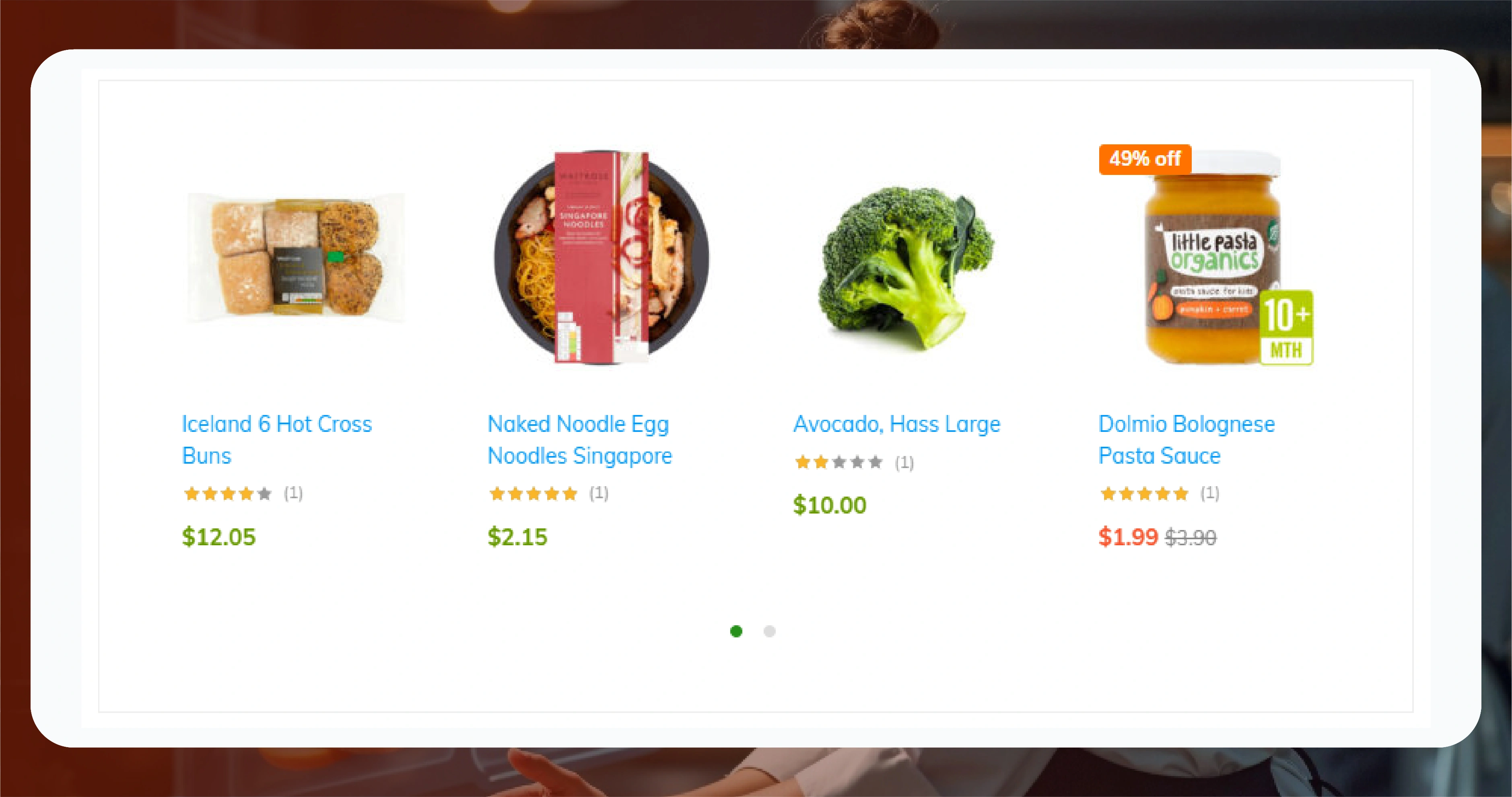
Traditionally, e-commerce companies generate revenue through:
- Product sales
- Marketplace commissions
- Advertising
However, margins are often tight, and competition is intense.
The company realized that:
- They were already collecting large volumes of retail data
- Competitors lacked structured insights
- Brands were willing to pay for actionable intelligence
Why Retail Intelligence Matters in E-commerce
Retail intelligence refers to the process of collecting and analyzing data related to:
- Product pricing
- Discounts and promotions
- Seller behavior
- Inventory and availability
Key Benefits
- Identify pricing opportunities
- Track competitor strategies
- Improve product positioning
- Optimize profit margins
With Food Data Scrape, the company was able to automate and scale this intelligence.
Challenges Faced Before Implementation
1. Unstructured Data
Data from platforms was scattered and inconsistent.
2. Manual Tracking
Teams relied on spreadsheets and manual checks.
3. Lack of Real-Time Insights
Decisions were based on outdated data.
4. No Monetization Strategy
Retail data was not being used as a revenue source.
Solution by Food Data Scrape
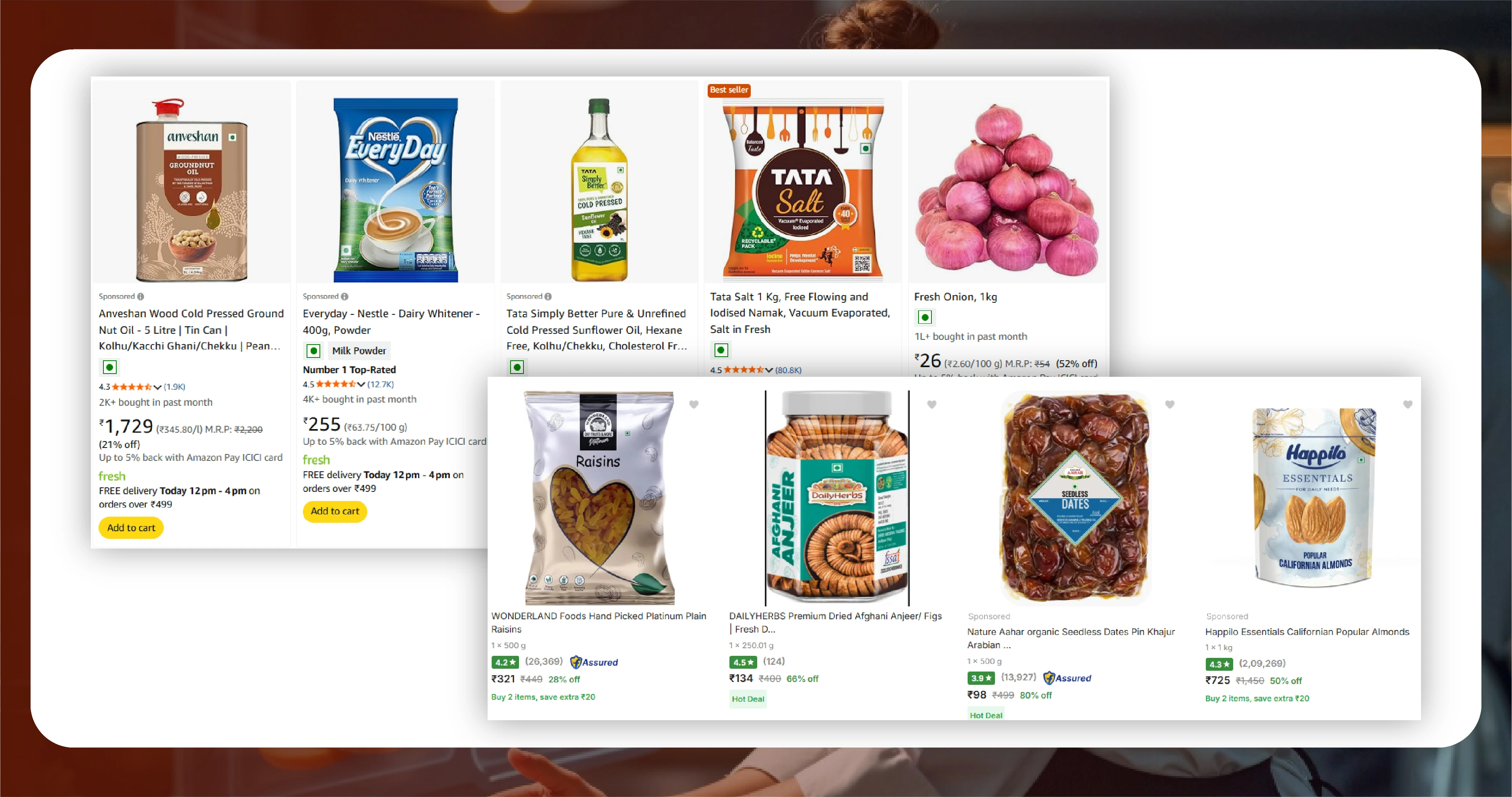
Food Data Scrape provided a complete retail data scraping ecosystem.
1. Multi-Platform Data Extraction
The solution extracted data from major platforms including:
- Amazon
- Flipkart
- Grocery and quick commerce apps
Captured data included:
- Product details
- Prices and discounts
- Seller information
- Ratings and reviews
2. Real-Time Data Pipelines
- Continuous data crawling
- Hourly updates
- Automated workflows
3. Data Structuring & Enrichment
Raw data was transformed into structured datasets:
- Standardized pricing fields
- Clean product taxonomy
- Brand-level tagging
4. API & Dashboard Development
The company launched:
- Retail intelligence dashboards
- Data APIs for clients
Sample Retail Intelligence Dataset
Below is an example of structured data extracted using Food Data Scrape:
| Platform | Product Name | Brand | Price (₹) | Discount (%) | Seller | Rating | Reviews | Stock Status | City | Date |
|---|---|---|---|---|---|---|---|---|---|---|
| Amazon | iPhone 13 128GB | Apple | 52,999 | 12% | Appario | 4.6 | 12,500 | In Stock | Mumbai | 2026-04-10 |
| Flipkart | Samsung Galaxy S21 | Samsung | 44,999 | 15% | RetailNet | 4.4 | 8,200 | In Stock | Delhi | 2026-04-10 |
| Amazon | Boat Headphones | Boat | 1,299 | 20% | Boat Official | 4.3 | 25,000 | Low Stock | Bangalore | 2026-04-10 |
| Flipkart | LG Smart TV 43" | LG | 32,999 | 18% | OmniTech | 4.5 | 5,600 | In Stock | Ahmedabad | 2026-04-10 |
Building the Data Product
Step 1: Data Collection
Millions of product data points were collected daily.
Step 2: Data Segmentation
Data was divided into:
- Pricing datasets
- Seller intelligence
- Category insights
Step 3: Productization
The company created:
- Subscription-based dashboards
- API access for enterprises
Step 4: Monetization Strategy
- Monthly subscriptions
- Tiered pricing plans
- Enterprise contracts
Revenue Model Breakdown
Subscription Plans
- Starter Plan: Basic data access
- Pro Plan: Advanced analytics
- Enterprise Plan: Custom datasets
Revenue Streams
- SaaS subscriptions
- Data licensing
- Custom analytics solutions
Business Impact
- $2M ARR Achieved
A completely new revenue stream was created. - Higher Profit Margins
Data products offered better margins than physical goods. - Global Client Base
Clients included brands, agencies, and analytics firms. - Faster Decision-Making
Real-time data improved internal operations.
Use Cases of Retail Intelligence Data
1. Brands
- Track competitor pricing
- Optimize product positioning
2. Sellers
- Improve Buy Box performance
- Adjust pricing dynamically
3. Market Analysts
- Study industry trends
- Generate insights
4. Agencies
Provide data-driven recommendations
Competitive Advantage Gained
The company gained a strong edge by:
- Offering unique datasets
- Providing real-time insights
- Delivering actionable intelligence
Challenges & Solutions
| Challenge | Solution |
|---|---|
| Large data volume | Scalable cloud infrastructure |
| Dynamic websites | Advanced scraping techniques |
| Data inconsistency | Automated cleaning systems |
| API performance | Optimized data pipelines |
Future of Retail Data Monetization
The future lies in:
- AI-powered analytics
- Predictive pricing models
- Hyperlocal insights
- Real-time dashboards
Food Data Scrape continues to innovate in:
- Data extraction technology
- Scalable infrastructure
- Advanced analytics
Why Choose Food Data Scrape
- Expertise in retail and e-commerce data scraping
- Real-time, accurate datasets
- Custom API solutions
- Scalable infrastructure
- Dedicated support
Conclusion
The journey from an e-commerce company to a $2M ARR data business highlights the power of retail intelligence.
By partnering with Food Data Scrape, the company was able to:
- Unlock hidden data value
- Build scalable products
- Generate recurring revenue
In today’s competitive market, data is not just an asset — it is a business model.