
The fresh produce industry is undergoing rapid transformation as retailers, FMCG brands, and grocery platforms increasingly rely on data-driven intelligence to understand evolving consumer buying behavior. This report highlights how Fresh Produce Category Intelligence enables businesses to monitor pricing volatility, availability fluctuations, seasonal demand shifts, and changing customer preferences across multiple markets. By integrating real-time analytics, structured grocery datasets, and automated extraction technologies, companies can optimize procurement, inventory planning, and competitive pricing strategies. The report also explores how consumer demand is shifting toward organic produce, locally sourced products, and convenience-driven grocery formats such as pre-cut vegetables and quick-commerce deliveries. In addition, it demonstrates the strategic value of Grocery Produce Availability Data Tracking and Fresh Produce Retail Pricing Insights in minimizing food wastage, improving supply chain efficiency, and enhancing customer satisfaction. Overall, the report showcases how grocery data intelligence is becoming essential for smarter retail decision-making and long-term market competitiveness.
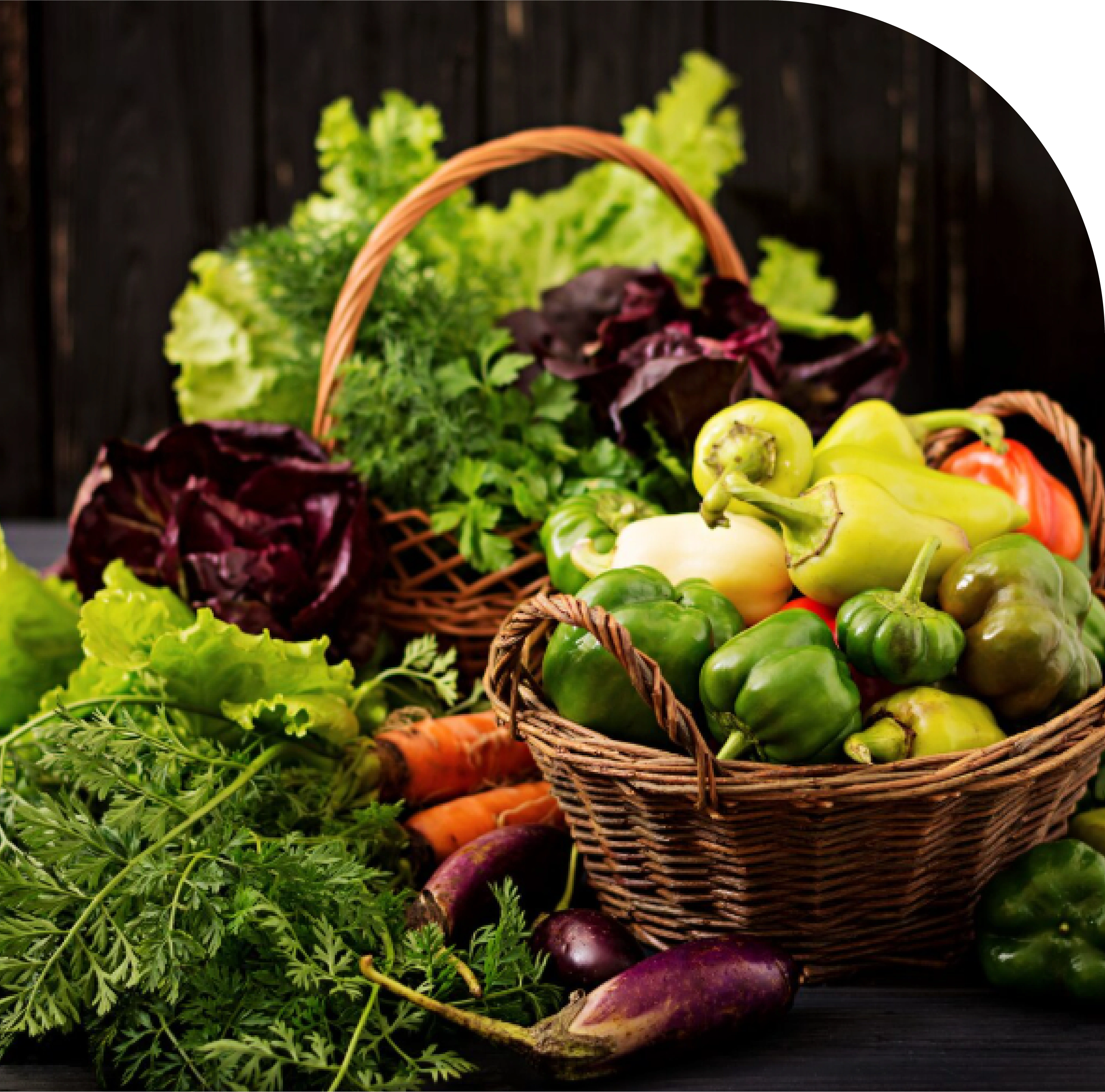
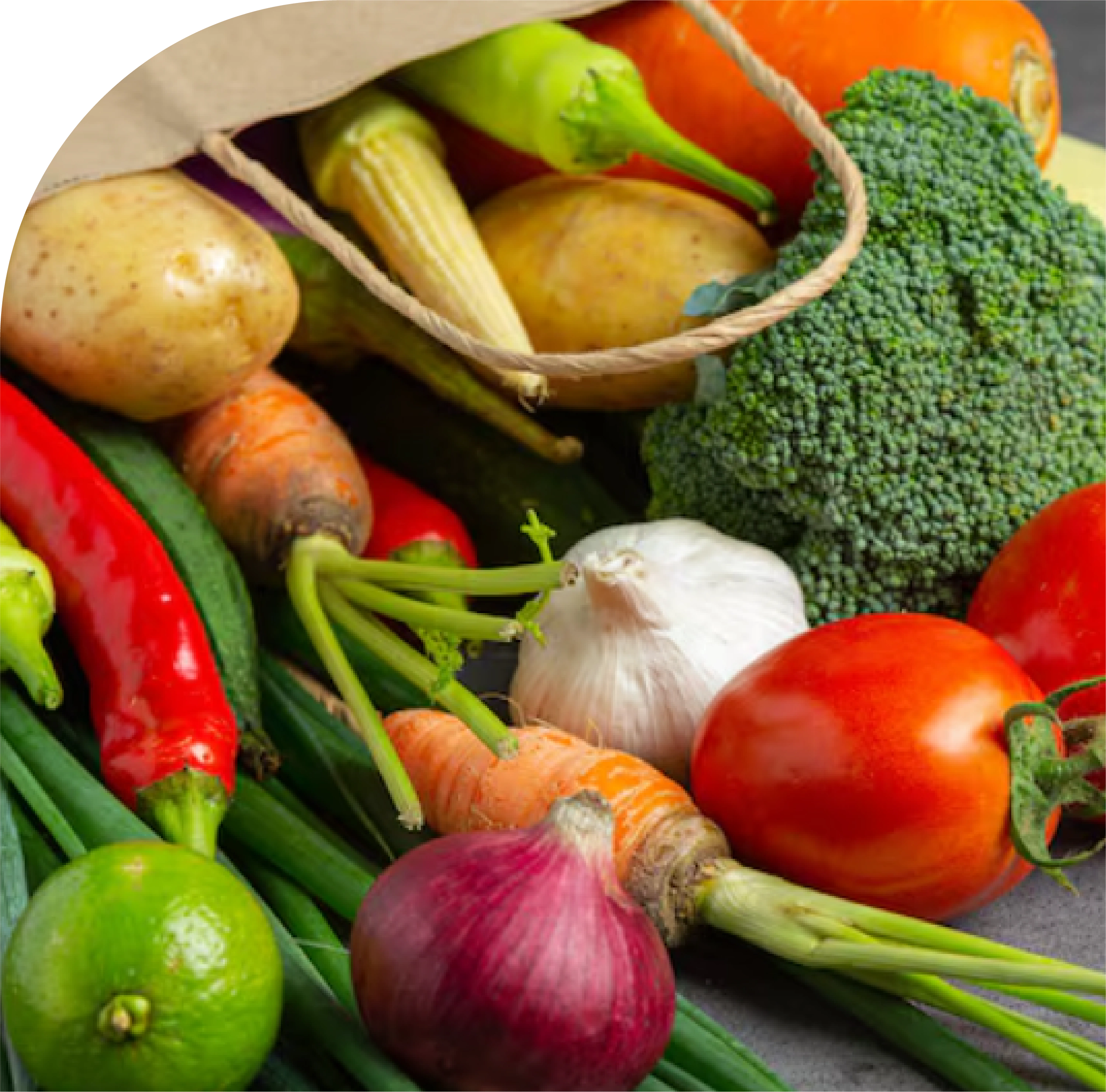
Fresh produce pricing changes rapidly due to seasonality, supply chain disruptions, regional demand shifts, and changing consumer purchasing behavior patterns.
Real-time Grocery Produce Availability Data Tracking helps retailers improve stock visibility, reduce wastage, and maintain consistent product availability.
Consumer demand is increasingly shifting toward organic fruits, locally sourced produce, exotic items, and convenience-focused grocery purchasing options.
Fresh Produce Retail Pricing Insights enable businesses to optimize pricing strategies, benchmark competitors, and improve operational profitability across markets.
Grocery Data Intelligence and structured Grocery Datasets support predictive analytics, demand forecasting, and strategic retail decision-making for future growth.

The global grocery ecosystem is rapidly evolving, and fresh produce has become one of the most data-sensitive categories in modern retail. Unlike packaged goods, fruits and vegetables are highly dynamic in pricing, availability, and quality due to seasonality, supply chain disruptions, and regional demand shifts. In this environment, Fresh Produce Category Intelligence plays a critical role in helping retailers, FMCG brands, and marketplaces understand how this category behaves across different markets.
At the core of this transformation lies Fresh Produce Market Intelligence, which enables businesses to analyze pricing trends, demand fluctuations, and supply variations in real time. By leveraging structured datasets and automation tools, companies can move beyond guesswork and build data-backed strategies for procurement and distribution.
Another essential component is Grocery Produce Availability Data Tracking, which ensures that businesses always have visibility into stock levels across multiple retail channels. This becomes especially important for perishable goods where delays in restocking or inaccurate availability data can directly impact revenue and customer satisfaction.
Together, these intelligence systems are reshaping how retailers approach fresh produce management, turning fragmented data into structured insights that drive profitability and efficiency.
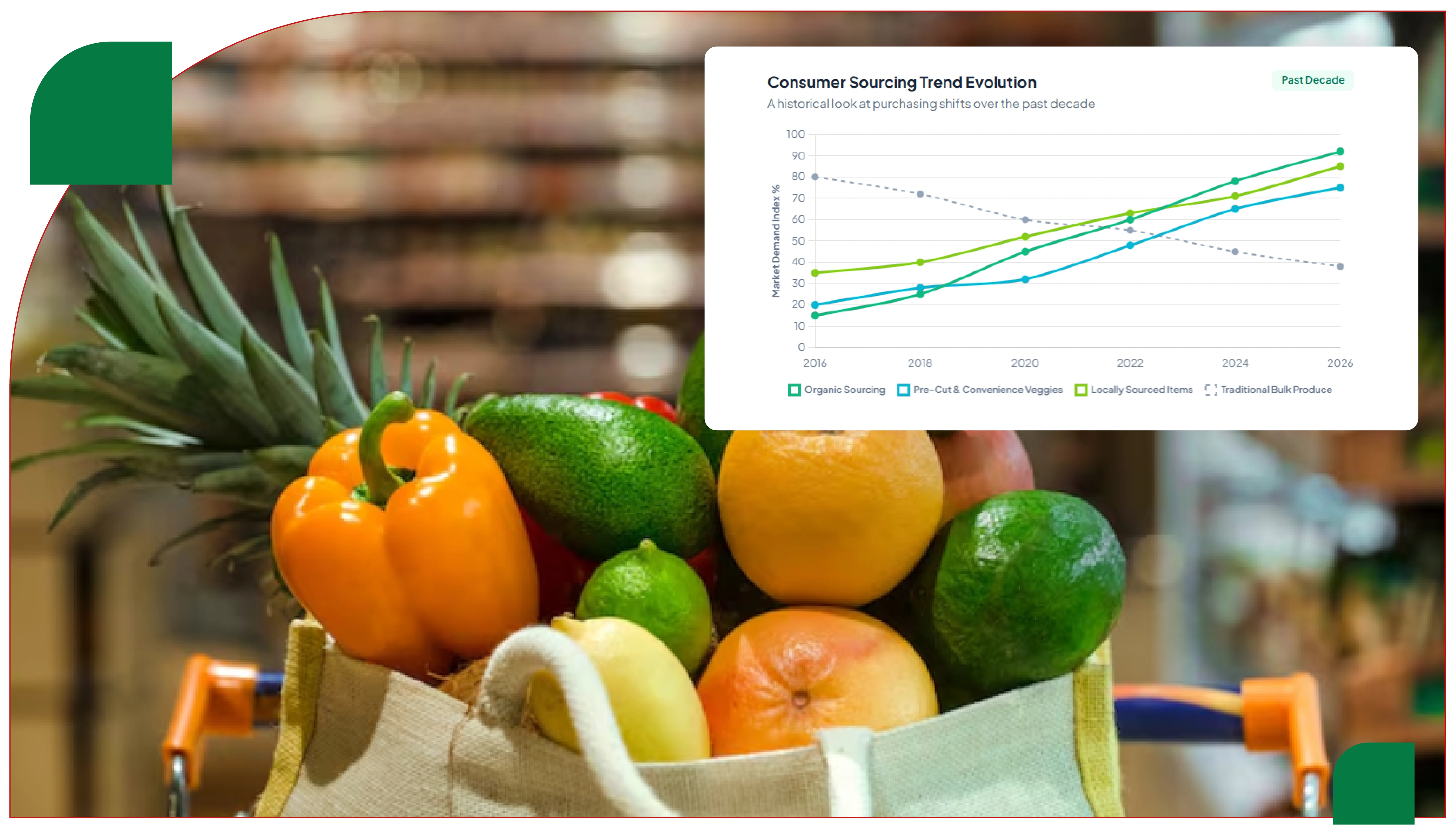
Consumer behavior in fresh produce is influenced by multiple factors such as seasonality, pricing, freshness perception, and health trends. Over the past decade, shoppers have become more conscious of nutritional value, organic sourcing, and sustainability, which has significantly altered purchasing patterns.
Consumer Buying Trends in Fresh Produce show that demand is increasingly shifting toward organic fruits, pre-cut vegetables, and locally sourced items. These trends are also influenced by lifestyle changes, urbanization, and rising health awareness among consumers.
Retailers are now using advanced analytics to understand how buying patterns vary across regions and demographics. For example, metropolitan areas often show higher demand for exotic fruits, while smaller towns prefer seasonal and locally available produce. This granular understanding allows businesses to tailor their inventory and pricing strategies more effectively.
In addition, promotional campaigns and discount strategies play a significant role in influencing consumer decisions. Real-time tracking of demand spikes during festivals, holidays, and weekends helps retailers optimize supply chains and reduce wastage.
| Produce Category | Demand Growth (%) | Avg. Monthly Searches | Repeat Purchase Rate (%) | Avg. Basket Size | Online Purchase Share (%) | Seasonal Demand Index | Avg. Price Sensitivity (%) | Organic Preference (%) | Urban Demand Share (%) |
|---|---|---|---|---|---|---|---|---|---|
| Organic Fruits | 28 | 145000 | 74 | 6.2 | 58 | 82 | 41 | 93 | 79 |
| Leafy Vegetables | 16 | 98000 | 81 | 4.8 | 46 | 91 | 56 | 38 | 64 |
| Exotic Fruits | 22 | 76000 | 63 | 3.9 | 67 | 69 | 32 | 58 | 88 |
| Pre-Cut Vegetables | 31 | 112000 | 77 | 5.6 | 71 | 54 | 37 | 42 | 91 |
| Seasonal Fruits | 18 | 134000 | 69 | 7.1 | 35 | 97 | 61 | 27 | 52 |
| Organic Vegetables | 26 | 89000 | 72 | 5.1 | 59 | 63 | 39 | 95 | 74 |
| Frozen Produce | 14 | 47000 | 66 | 4.3 | 52 | 28 | 44 | 21 | 68 |
| Local Farm Produce | 19 | 53000 | 71 | 5.9 | 33 | 74 | 49 | 64 | 48 |
| Imported Produce | 21 | 41000 | 57 | 3.5 | 62 | 46 | 25 | 34 | 93 |
| Salad Mixes | 24 | 68000 | 73 | 4.7 | 66 | 39 | 36 | 51 | 87 |
| Citrus Fruits | 17 | 72000 | 75 | 5.4 | 44 | 85 | 47 | 33 | 61 |
| Root Vegetables | 13 | 51000 | 83 | 6.8 | 29 | 78 | 59 | 19 | 43 |
The fresh produce category generates massive volumes of data daily, including pricing updates, availability changes, supplier variations, and consumer demand signals. Capturing and structuring this data is essential for making informed business decisions.
One of the most powerful approaches is Grocery Produce Data Extraction, which enables businesses to collect structured information from multiple grocery platforms, online marketplaces, and delivery applications. This helps create a unified dataset that reflects real-time market conditions.
With the rise of digital grocery platforms, automation has become a necessity. Businesses increasingly rely on tools that support Web Scraping Grocery Datato continuously gather updated information from multiple sources. This ensures that pricing and availability insights remain accurate and up to date.
Another important innovation in this space is the Grocery Delivery Extraction API, which allows enterprises to integrate real-time grocery data directly into their internal systems, dashboards, and analytics engines. This eliminates manual intervention and significantly improves operational efficiency.
These technologies collectively empower businesses to build scalable data ecosystems that support everything from procurement planning to dynamic pricing strategies.
Pricing in the fresh produce category is highly volatile due to factors such as weather conditions, transportation costs, and supply-demand imbalances. Even small disruptions in supply chains can lead to significant price fluctuations across markets.
The Fresh Produce Retail Pricing Insights help businesses understand how prices change across different regions, retailers, and time periods. This allows companies to identify pricing gaps, optimize margins, and develop competitive pricing strategies that align with market realities.
Availability is another critical dimension in this category. Since fresh produce has a limited shelf life, ensuring consistent availability is a major operational challenge for retailers. Real-time tracking systems help businesses monitor stock levels across stores and distribution centers.
The Grocery Produce Availability Data Tracking also enables predictive restocking, ensuring that high-demand items are replenished before they run out. This reduces lost sales opportunities and improves customer satisfaction.
Retailers that integrate pricing and availability intelligence gain a significant competitive advantage by being able to respond quickly to market changes. They can adjust pricing dynamically, manage supply chains more efficiently, and reduce food waste.
| Product Name | Avg. Retail Price (USD/kg) | Weekly Price Fluctuation | Stock Availability Rate | Demand Spike Frequency | Most Active Sales Channel | Supply Chain Risk Level | Avg. Restocking Time | Consumer Purchase Pattern | Margin Opportunity |
|---|---|---|---|---|---|---|---|---|---|
| Tomatoes | 2.10 | High | 92% | Frequent | Supermarkets | Medium | 12 Hours | Daily Purchases | Moderate |
| Potatoes | 1.30 | Low | 97% | Stable | Local Grocery Stores | Low | 8 Hours | Bulk Buying | Low |
| Onions | 1.80 | Very High | 88% | Seasonal | Hypermarkets | High | 18 Hours | Essential Commodity Buying | High |
| Apples | 3.90 | Medium | 95% | Frequent | Online Grocery Platforms | Medium | 10 Hours | Family Consumption | High |
| Bananas | 1.60 | Medium | 96% | Daily | Convenience Stores | Low | 6 Hours | Impulse Purchases | Moderate |
| Spinach | 2.70 | High | 84% | Weekend Peaks | Grocery Delivery Apps | High | 5 Hours | Health-Based Purchases | High |
| Avocados | 6.20 | High | 76% | Trend Driven | Premium Grocery Apps | Medium | 14 Hours | Premium Consumption | Very High |
| Carrots | 2.00 | Low | 94% | Stable | Supermarkets | Low | 9 Hours | Routine Purchases | Moderate |
| Mangoes | 4.50 | Extremely High | 82% | Seasonal Peaks | E-commerce Grocery Platforms | High | 20 Hours | Festival Purchases | Very High |
| Broccoli | 3.80 | Medium | 86% | Health Trends | Organic Grocery Stores | Medium | 11 Hours | Diet-Oriented Purchases | High |
| Strawberries | 5.10 | High | 74% | Weekend Demand | Quick Commerce Apps | High | 7 Hours | Premium Impulse Buying | Very High |
| Cucumbers | 1.90 | Medium | 91% | Summer Peaks | Local Markets | Medium | 8 Hours | Daily Consumption | Moderate |
The integration of data-driven systems into fresh produce management has fundamentally transformed retail operations. Businesses now rely on predictive analytics and real-time monitoring to make faster and more accurate decisions.
By analyzing historical and real-time data, companies can identify seasonal demand cycles and prepare procurement strategies accordingly. This reduces dependency on reactive decision-making and improves overall supply chain efficiency.
Data-driven systems also enable better supplier coordination. Retailers can evaluate supplier performance based on delivery timelines, quality consistency, and pricing stability. This helps in building stronger and more reliable supply networks.
Additionally, advanced analytics can detect anomalies in pricing or availability, which may indicate supply disruptions or market inefficiencies. Early detection allows businesses to take corrective actions before issues escalate.
As the grocery industry continues to evolve, data will remain at the center of decision-making, especially in highly dynamic categories like fresh produce. Businesses that invest in structured intelligence systems will be better positioned to adapt to market volatility and consumer expectations.
A well-designed ecosystem powered by Grocery Price Dashboard solutions allows businesses to visualize pricing trends, monitor competition, and track category performance in real time. These dashboards serve as a central hub for decision-makers across retail organizations.
Similarly, a Grocery Price Tracking Dashboard enables continuous monitoring of price fluctuations, ensuring that businesses can react quickly to changes in market conditions and maintain competitive pricing strategies.
At a broader level, Grocery Data Intelligence transforms raw data into meaningful insights that support strategic planning, operational efficiency, and customer satisfaction across the entire grocery ecosystem.
Finally, structured Grocery Datasets serve as the foundation for advanced analytics, machine learning models, and predictive systems that will define the future of retail intelligence.
In conclusion, fresh produce category intelligence is no longer optional—it is a necessity for businesses aiming to thrive in a highly competitive and fast-changing grocery market.
Are you in need of high-class scraping services? Food Data Scrape should be your first point of call. We are undoubtedly the best in Food Data Aggregator and Mobile Grocery App Scraping service and we render impeccable data insights and analytics for strategic decision-making. With a legacy of excellence as our backbone, we help companies become data-driven, fueling their development. Please take advantage of our tailored solutions that will add value to your business. Contact us today to unlock the value of your data.