The Client
The client is an Australia-based retail intelligence and market research firm specializing in supermarket pricing and consumer trend analysis. With a strong focus on fresh food categories, the firm supports brands, growers, and distributors by delivering reliable insights into pricing behavior and competitive positioning. Their core requirement centered on Woolworths vs Coles Fresh Produce Pricing Analytics to understand how major retailers adjust prices across regions, seasons, and promotional cycles. Accurate comparisons were critical for advising clients on negotiation strategies and margin planning. To ensure continuous visibility, the firm invested in Woolworths vs Coles Fresh Produce Price Monitoring, enabling daily tracking of key produce items and early detection of price movements. Additionally, Woolworths vs Coles Competitive Pricing Insights Data Scraping allowed the client to replace manual checks with automated intelligence, improving reporting speed, analytical depth, and decision-making confidence across fresh produce supply chains.
Key Challenges
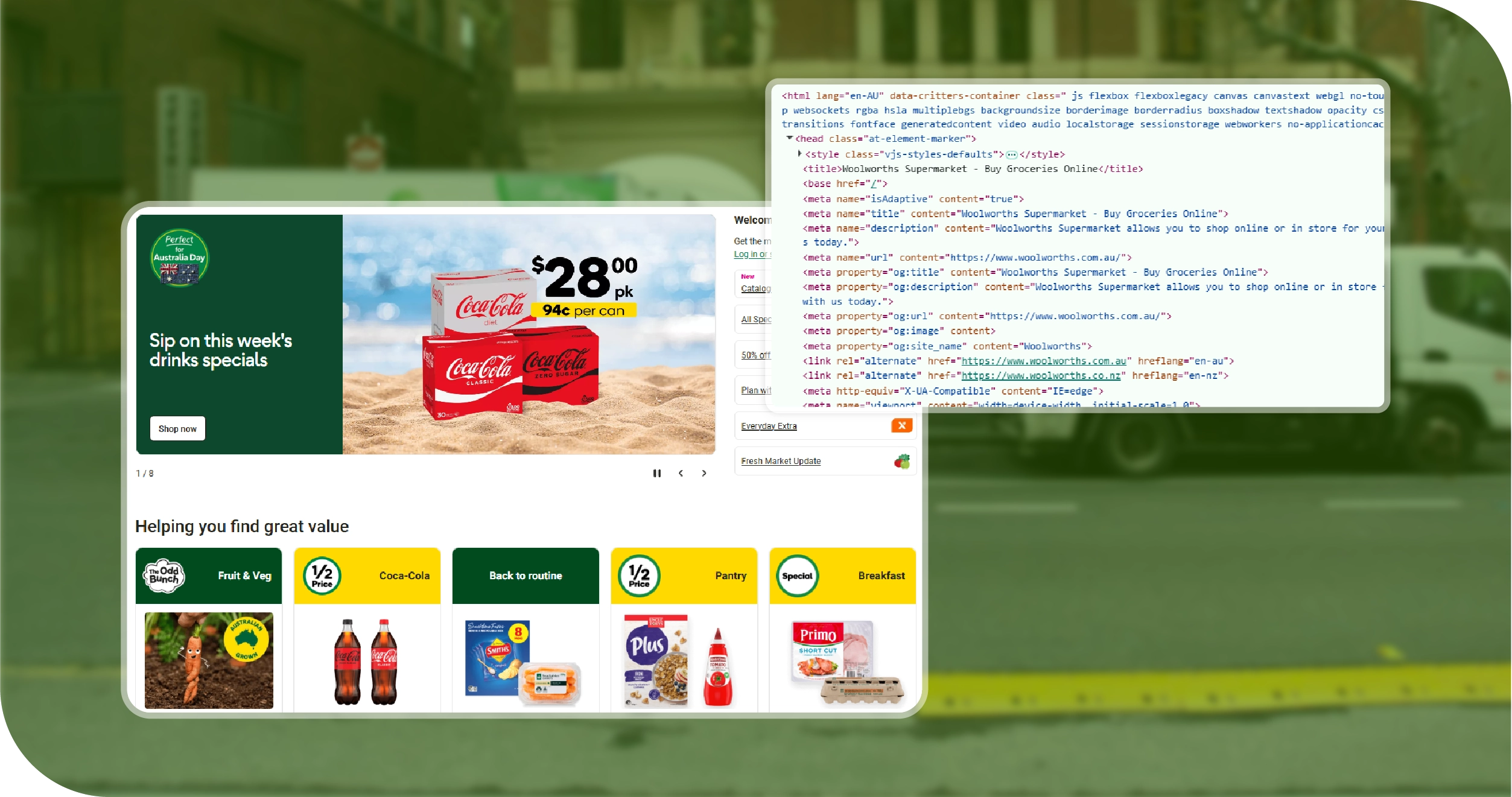
- Inconsistent Access to Real-Time Pricing Data: The client faced difficulties capturing timely produce prices across delivery platforms. Without a reliable Woolworths Grocery Delivery Scraping API, daily price updates were delayed, limiting the ability to track rapid changes, promotions, and regional price differences accurately.
- Limited Visibility into Competitor Pricing Movements: Manual tracking made it hard to compare retailer strategies effectively. The absence of a structured Coles Grocery Delivery Scraping API restricted large-scale comparisons, causing gaps in competitive analysis and slowing insight delivery to downstream brand and supplier clients.
- High Manual Effort and Data Reliability Issues: Relying on spreadsheets and screenshots increased errors and workload. Without automated Grocery App Data Scraping services, analysts spent excessive time validating data instead of generating insights, reducing overall efficiency and analytical depth.
Key Solutions
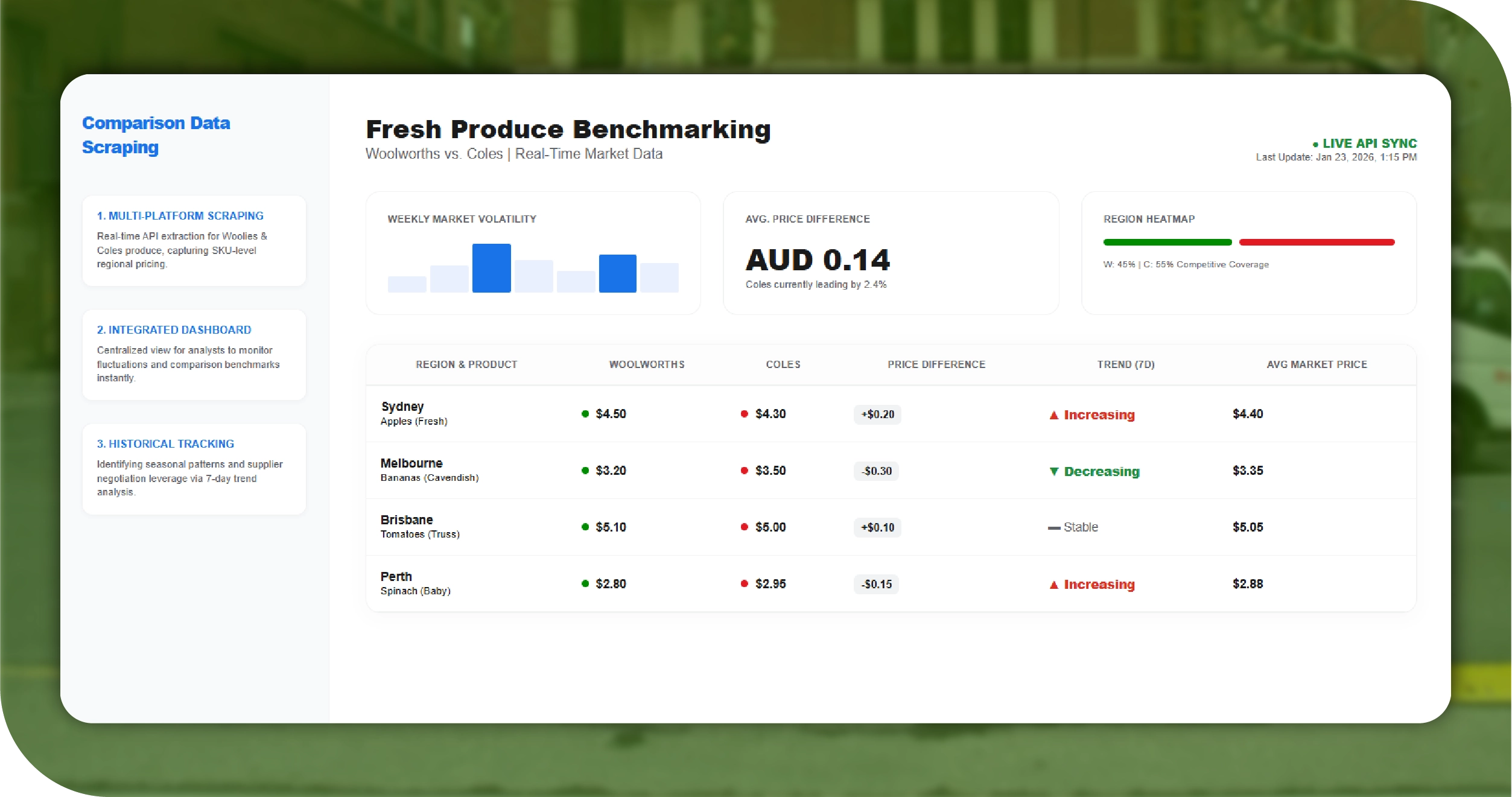
- Automated Multi-Platform Data Collection: We implemented Grocery Delivery Scraping API Services to capture fresh produce prices from Woolworths and Coles in real time. This eliminated manual collection, ensured accurate SKU-level data, and provided continuous visibility into regional pricing and promotional changes.
- Centralized Pricing Visualization: Our team developed a Grocery Price Dashboard that aggregated collected data into a single, intuitive interface. Analysts could easily monitor price fluctuations, compare products, and generate insights, enabling faster decision-making and streamlined reporting for internal teams and clients.
- Competitor Benchmarking and Historical Analysis: With the Grocery Price Tracking Dashboard, the client could track historical trends, detect seasonal pricing patterns, and benchmark against competitors. This allowed strategic adjustments, optimized pricing recommendations, and improved supplier negotiations across fresh produce categories.
Sample Price Comparison Data
| City | SKU | Woolworths Price (AUD) | Coles Price (AUD) | Avg Price (AUD) | Price Difference | Trend Last 7 Days |
|---|---|---|---|---|---|---|
| Sydney | Apples | 4.50 | 4.30 | 4.40 | 0.20 | ↑ |
| Melbourne | Bananas | 3.20 | 3.50 | 3.35 | -0.30 | ↓ |
| Brisbane | Tomatoes | 5.10 | 5.00 | 5.05 | 0.10 | → |
| Perth | Spinach | 2.80 | 2.95 | 2.88 | -0.15 | ↑ |
| Adelaide | Carrots | 3.00 | 3.10 | 3.05 | -0.10 | → |
Methodologies Used
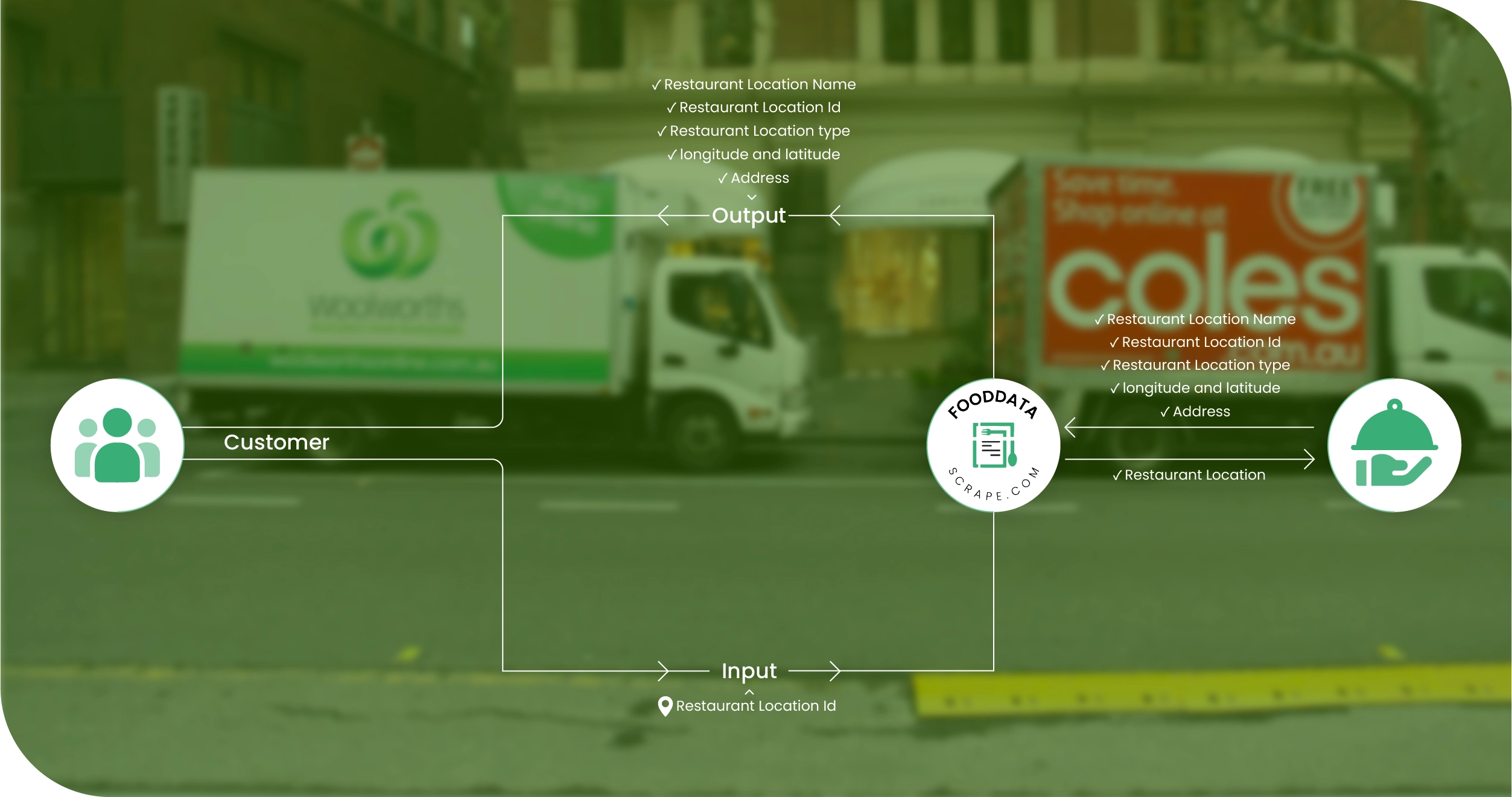
- Platform-Specific Data Structuring: We analyzed each retailer’s digital platform individually to understand data hierarchies, SKU identifiers, and update cycles. Structuring data according to platform nuances ensured accurate alignment, minimized mapping errors, and improved consistency across multiple product categories and locations.
- Scheduled and Event-Based Data Collection: Data was captured using a hybrid approach combining time-based intervals and event-driven triggers. High-demand or fast-moving SKUs were monitored more frequently, ensuring timely detection of changes while maintaining system efficiency and minimizing unnecessary data processing.
- Automated Validation and Cleansing: Incoming data underwent real-time validation to identify anomalies, missing values, or duplicates. Cleansing processes standardized units, corrected inconsistencies, and ensured that downstream analysis relied only on accurate, actionable, and fully verified information.
- Historical Trend and Pattern Analysis: Past pricing and availability trends were analyzed to detect recurring patterns, seasonal variations, and promotional impacts. This methodology allowed predictive insights for inventory planning, pricing strategies, and competitive benchmarking over time.
- Iterative Pilot Testing and Refinement: The solution was deployed in select regions initially to test performance and reliability. Feedback from pilot runs informed adjustments in data rules, alert thresholds, and reporting workflows before full-scale implementation across all markets.
Advantages of Collecting Data Using Food Data Scrape
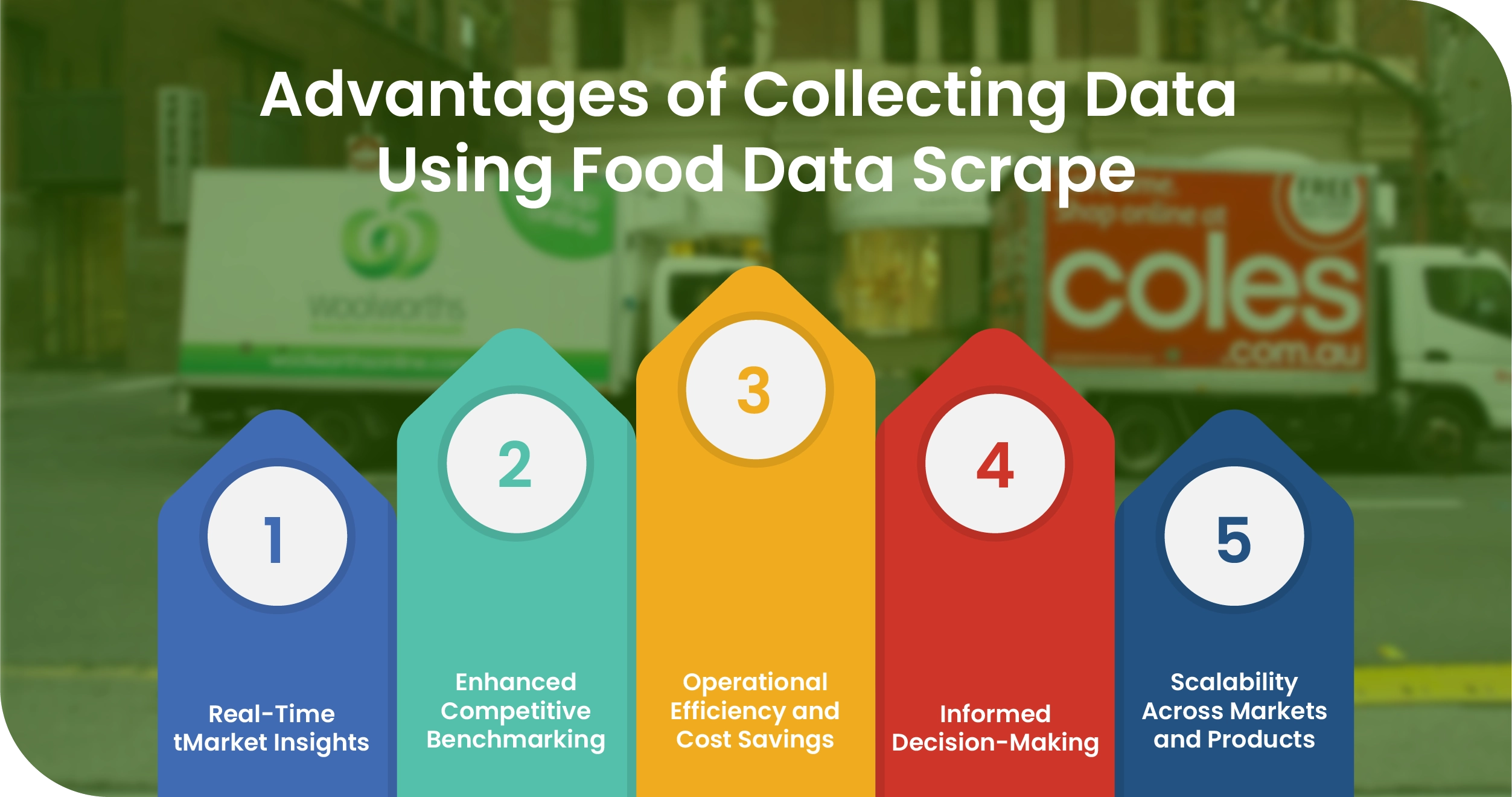
- Real-Time Market Insights: Clients gain immediate visibility into pricing and availability trends, enabling faster response to market fluctuations. This allows businesses to adjust strategies proactively, stay competitive, and make informed decisions without relying on delayed or fragmented data sources.
- Enhanced Competitive Benchmarking: By consistently monitoring multiple retailers, businesses can identify price gaps, promotional opportunities, and category-level trends. This enables accurate comparison with competitors, helping optimize pricing strategies, promotions, and assortment planning to strengthen market positioning.
- Operational Efficiency and Cost Savings: Automated data collection reduces manual monitoring, reporting errors, and labor-intensive tasks. Teams can focus on strategic analysis rather than data gathering, improving overall productivity while lowering operational costs associated with manual tracking.
- Informed Decision-Making: Structured, high-quality data supports smarter decisions across procurement, pricing, and sales channels. Businesses can anticipate demand shifts, optimize inventory, and implement dynamic strategies that align with both customer expectations and competitive pressures.
- Scalability Across Markets and Products: The approach can easily expand to cover new regions, categories, or retailers. Businesses can maintain consistent, accurate monitoring as they grow, ensuring insights remain actionable and relevant across broader product lines and geographic areas.
Client’s Testimonial
“Partnering on this project transformed how we track fresh produce pricing across major supermarkets. The automated data collection and dashboards provided accurate, real-time insights that were previously impossible to obtain manually. We could quickly compare prices, monitor promotions, and detect market trends, which improved both our reporting and strategic recommendations. The team’s expertise and attention to detail ensured high-quality, reliable outputs. This solution has significantly enhanced our operational efficiency, reduced manual effort, and strengthened our competitive analysis capabilities. It has become an indispensable tool for delivering actionable intelligence to our clients across Australia’s retail sector.”
Market Intelligence Manager
Final Outcomes:
The final outcome of the engagement delivered transformative results for the client, enabling them to monitor fresh produce pricing across Woolworths and Coles with unprecedented accuracy. By leveraging real-time insights, the client could detect price fluctuations, promotional cycles, and regional differences faster, supporting smarter procurement and pricing strategies. The system reduced manual effort, improved reporting speed, and enhanced decision-making across teams. Using Grocery Pricing Data Intelligence, the client gained a competitive edge, identifying market gaps and optimizing pricing recommendations. Additionally, structured and comprehensive Grocery Store Datasets provided historical trends, SKU-level visibility, and actionable benchmarks, allowing the client to scale their analysis, improve strategic planning, and deliver higher-value insights to downstream partners consistently.