The Client
The client is a leading retail analytics company specializing in delivering actionable insights to grocery chains and FMCG brands across the United States. Their focus is on leveraging technology to understand market trends, pricing patterns, and consumer behavior at a granular level. By using the ZIP Code-Based Grocery Price Data Extraction API USA, they were able to gather accurate, location-specific pricing and product availability information from multiple grocery platforms, ensuring precise regional analysis.
To maintain real-time monitoring of price changes and promotions, the client integrated the Location-Based Grocery Retail Price Monitoring API into their systems. This allowed them to track competitors’ pricing strategies efficiently and respond with timely adjustments.
Additionally, the client utilized the Grocery Pricing API for Competitive Intelligence to compare products across markets, identify pricing anomalies, and optimize promotions. Their data-driven approach empowers grocery retailers to enhance profitability, improve inventory management, and deliver personalized offers to customers while staying ahead in a highly competitive industry.
Key Challenges
- Managing Large-Scale Data Collection
The client faced difficulties handling massive datasets from multiple retailers across the U.S., requiring reliable tools. Integrating the Costco Grocery Delivery Scraping API helped streamline data extraction, but managing volume and consistency remained a significant challenge for analysis. - Ensuring Real-Time Accuracy
Maintaining up-to-date pricing and availability information was challenging due to frequent changes. Leveraging the Walmart Grocery Delivery Scraping API allowed for near real-time data updates, but ensuring continuous monitoring without delays required robust infrastructure and constant oversight. - Aggregating Data from Diverse Sources
Collecting data from various platforms with different formats and structures posed integration challenges. The Restaurant Depot Grocery Delivery Scraping API facilitated standardized data extraction, yet combining insights from multiple sources into actionable intelligence required careful normalization and validation.
Key Solutions
- Streamlined Grocery Data Automation
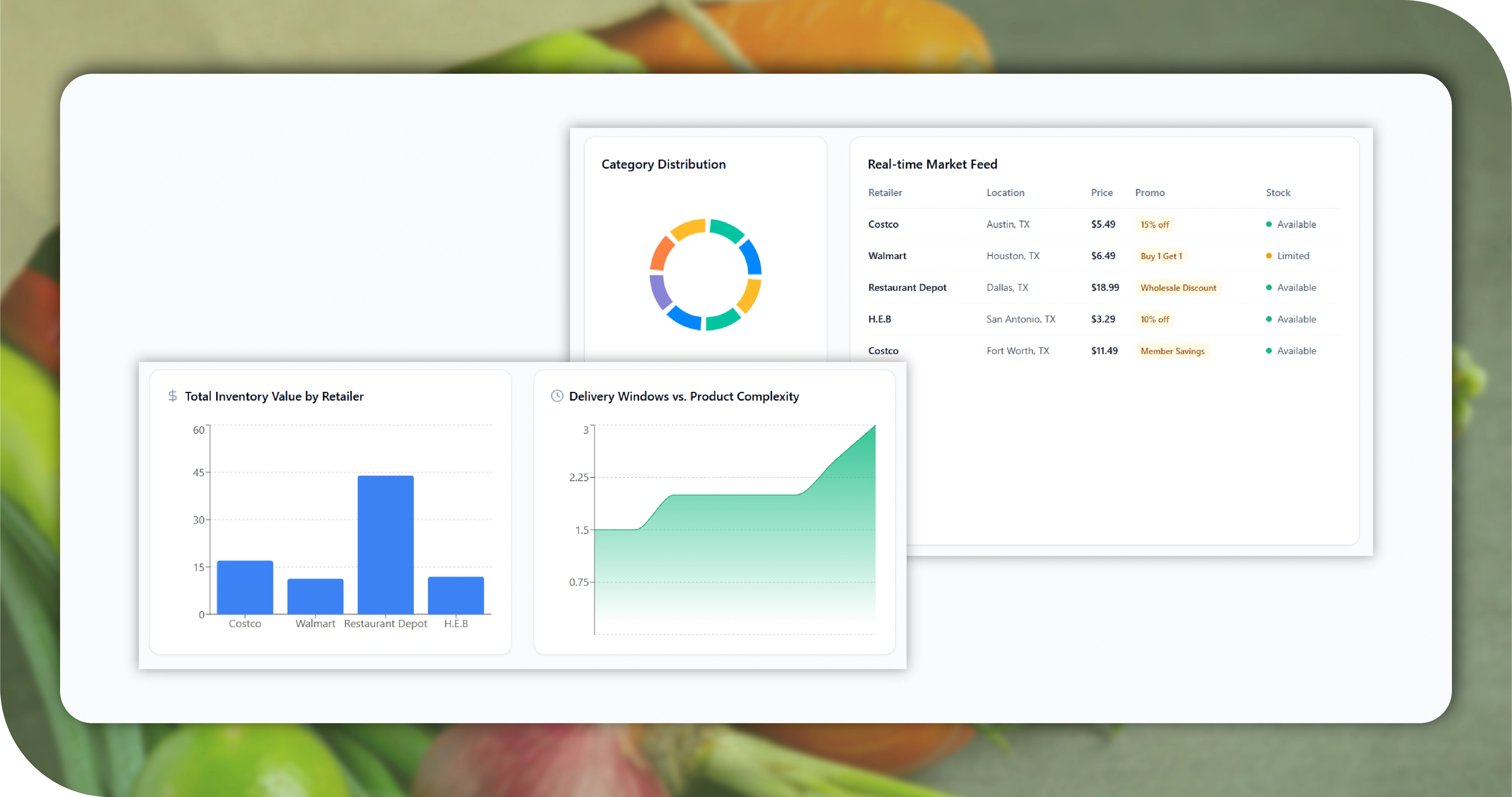
We deployed the H.E.B Grocery Delivery Scraping API to automate extraction of product listings, pricing, and stock availability. This reduced manual intervention, improved data reliability, and enabled the client to track multiple locations efficiently. - Consolidated Cross-Retail Insights
Through Web Scraping Grocery Data, we unified information from several grocery platforms into a single structured dataset. This allowed the client to compare prices, monitor competitor strategies, and gain actionable insights across diverse U.S. markets. - Instant Market Visibility
With the Grocery Delivery Extraction API, real-time updates on product availability and delivery windows became possible. The client could now respond quickly to market changes, optimize promotions, and maintain accurate competitive intelligence across regions.
Sample Data
| Retailer | Category | Price (USD) | Stock Status | City, State | Promo Details | Delivery ETA |
|---|---|---|---|---|---|---|
| Costco | Organic Produce | 5.49 | Available | Austin, TX | 15% off | 2 hours |
| Walmart | Frozen Foods | 6.49 | Limited | Houston, TX | Buy 1 Get 1 | 2 hours |
| Restaurant Depot | Bulk Pantry Items | 18.99 | Available | Dallas, TX | Wholesale Discount | 2.5 hours |
| H.E.B | Dairy Products | 3.29 | Available | San Antonio, TX | 10% off | 1.5 hours |
| Costco | Beverages | 11.49 | Available | Fort Worth, TX | Member Savings | 2 hours |
| Walmart | Snacks | 4.79 | Available | Austin, TX | Rollback Price | 1.5 hours |
| Restaurant Depot | Frozen Meat | 24.99 | Limited | Houston, TX | Bulk Deal | 3 hours |
| H.E.B | Pantry Staples | 8.59 | Available | Dallas, TX | Weekly Special | 2 hours |
Methodologies Used
- Retail Platform Mapping
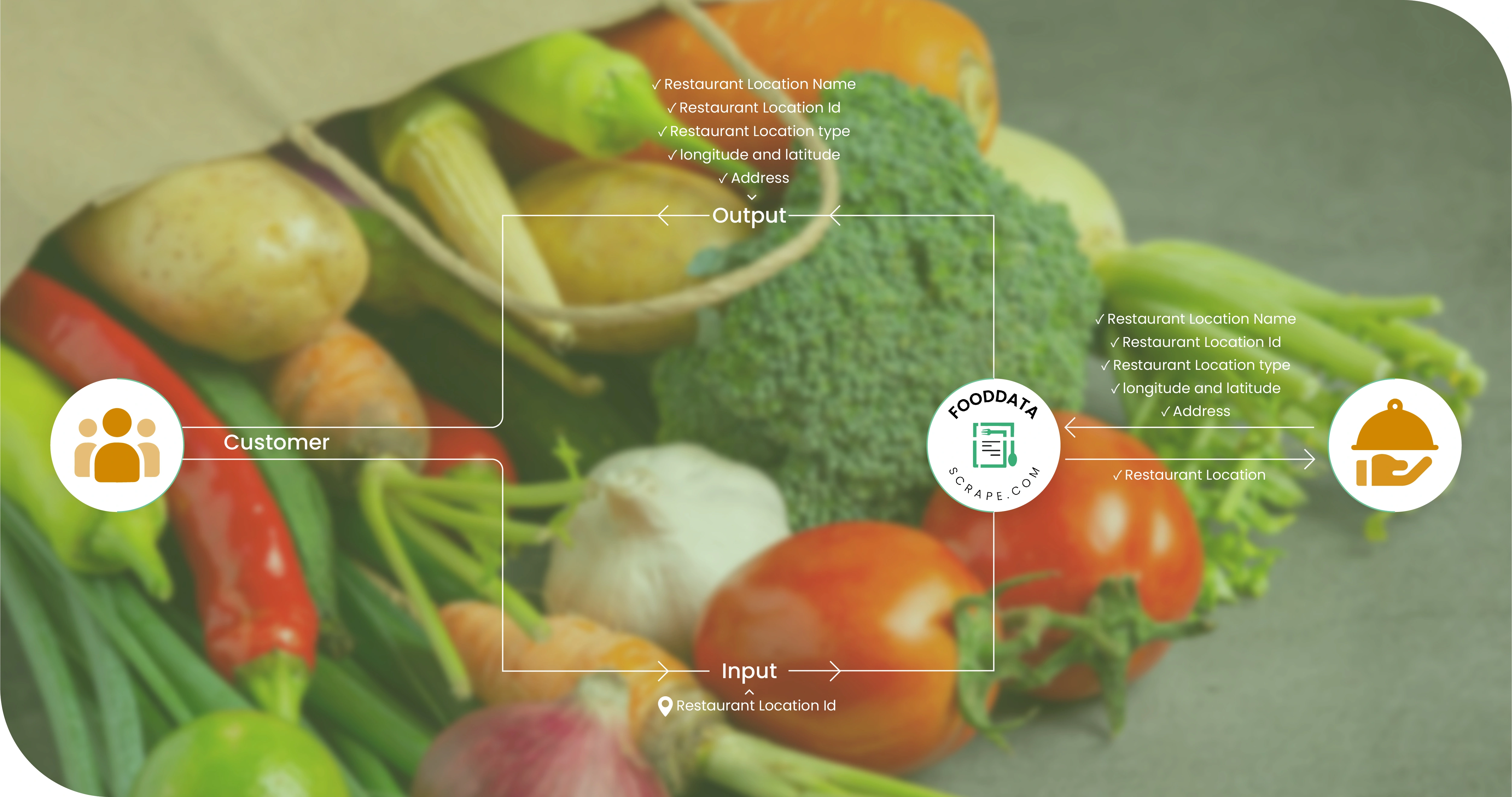
We first identified major grocery retailers and delivery platforms operating across different U.S. regions. Each platform was carefully analyzed to understand its structure, product categorization, and pricing formats, ensuring accurate data extraction while maintaining consistency across diverse geographic markets. - Structured Data Collection Framework
A scalable data extraction framework was developed to collect product details such as price, availability, discounts, and delivery timelines. This framework ensured reliable data capture from multiple online grocery stores while maintaining accuracy, speed, and consistent formatting. - Location-Level Data Segmentation
We organized the extracted information based on geographic parameters like city, state, and ZIP code. This segmentation helped reveal regional price variations, localized promotions, and product demand patterns, enabling the client to conduct deeper market comparisons. - Data Cleaning and Normalization
The collected datasets were processed through a data cleaning pipeline to remove inconsistencies, duplicates, and incomplete records. Standardization ensured that pricing units, product categories, and retailer identifiers remained uniform for accurate cross-platform analysis. - Continuous Monitoring and Updates
We implemented automated monitoring systems to capture frequent pricing changes, stock updates, and promotional shifts. This ensured the client always received up-to-date information, supporting real-time insights and enabling faster strategic decisions in a competitive grocery market
Advantages of Collecting Data Using Food Data Scrape
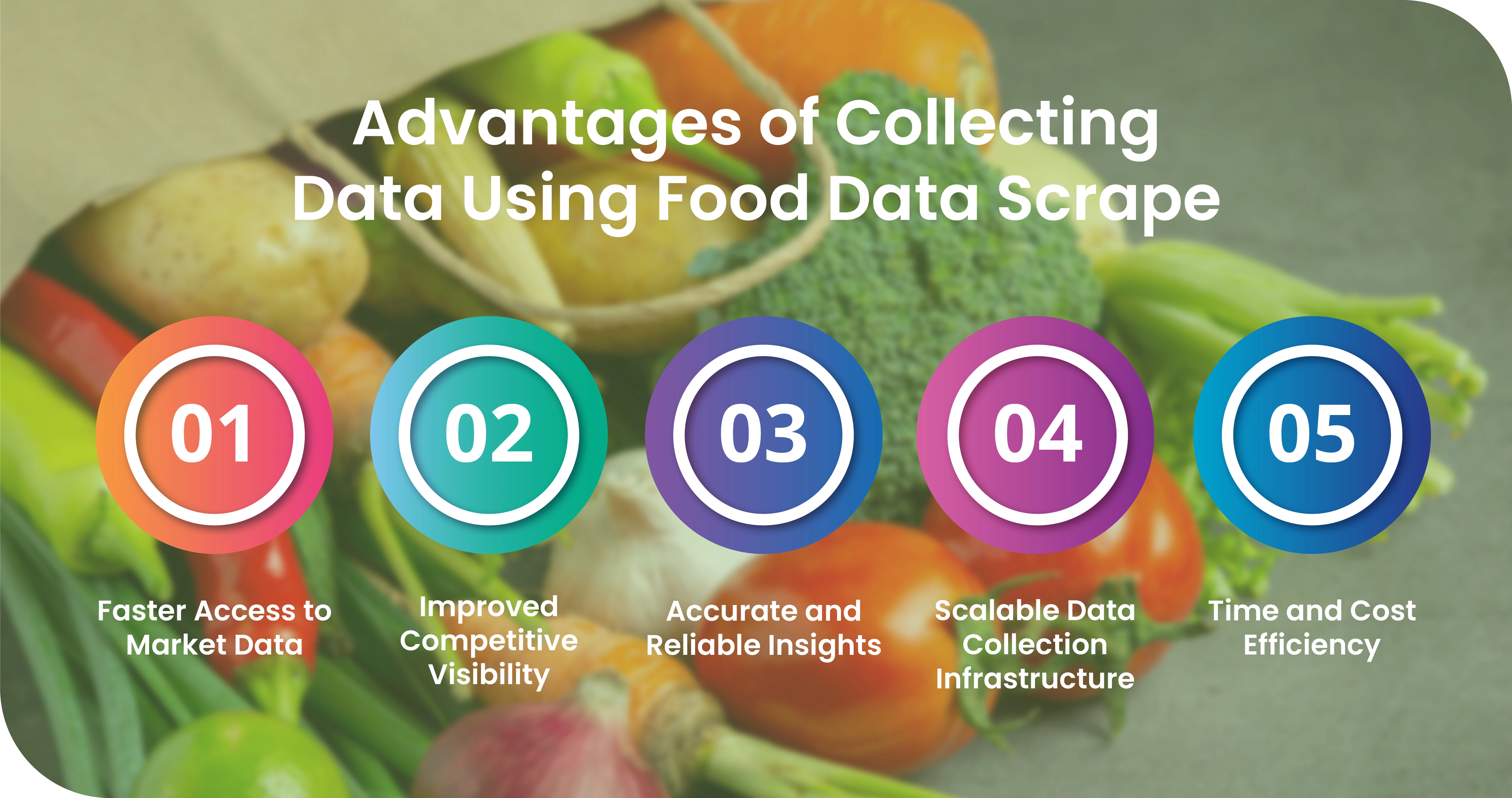
- Faster Access to Market Data
Our services provide rapid access to large volumes of structured retail information from multiple online sources. This enables businesses to gather critical insights quickly, helping decision-makers respond to market changes, competitor pricing shifts, and consumer demand trends more efficiently. - Improved Competitive Visibility
By continuously collecting and organizing retail information, businesses gain a clearer view of competitor strategies. This allows companies to compare pricing, promotions, and product availability across different markets, helping them refine strategies and stay ahead in highly competitive industries. - Accurate and Reliable Insights
We implement advanced validation and data-cleaning processes to ensure accuracy and consistency. Reliable datasets help organizations perform meaningful analysis, reduce decision-making risks, and maintain confidence when building pricing models, forecasting demand, or planning promotions. - Scalable Data Collection Infrastructure
Our solutions are designed to scale as business needs grow. Whether tracking a few retailers or thousands of products across regions, the infrastructure ensures seamless expansion without compromising speed, reliability, or data quality. - Time and Cost Efficiency
Automated data extraction reduces the need for manual research and repetitive monitoring. This saves operational time, lowers labor costs, and allows teams to focus on analysis, strategy development, and business growth instead of spending resources on data collection.
Client’s Testimonial
"Working with this data scraping team has been a game-changer for our retail analytics operations. Their ability to deliver accurate, real-time data from multiple grocery platforms allowed us to identify regional pricing trends and optimize our competitive strategies efficiently. The structured insights provided helped our team make informed decisions, streamline inventory planning, and respond rapidly to market changes. Their professionalism, technical expertise, and commitment to quality ensured a smooth implementation process and consistent results. We now have a reliable, scalable system that supports our strategic initiatives and drives measurable business growth."
—Senior Business Analyst
Final Outcome
The implementation of our solutions delivered measurable improvements in the client’s retail analytics capabilities. With the Grocery Price Dashboard, the client gained instant visibility into product pricing, stock availability, and promotional trends across multiple regions, enabling quick, data-driven decisions.
The Grocery Price Tracking Dashboard allowed continuous monitoring of competitor prices and inventory changes, helping the client respond swiftly to market fluctuations. Insights from Grocery Data Intelligence provided a deeper understanding of regional demand patterns, product performance, and pricing strategies, which strengthened planning and marketing efforts.
Finally, the structured Grocery Datasets facilitated accurate reporting, predictive analysis, and seamless integration into existing business systems. Overall, the client achieved enhanced operational efficiency, improved competitive positioning, and actionable insights to drive sustained growth in the grocery retail sector.