The Client
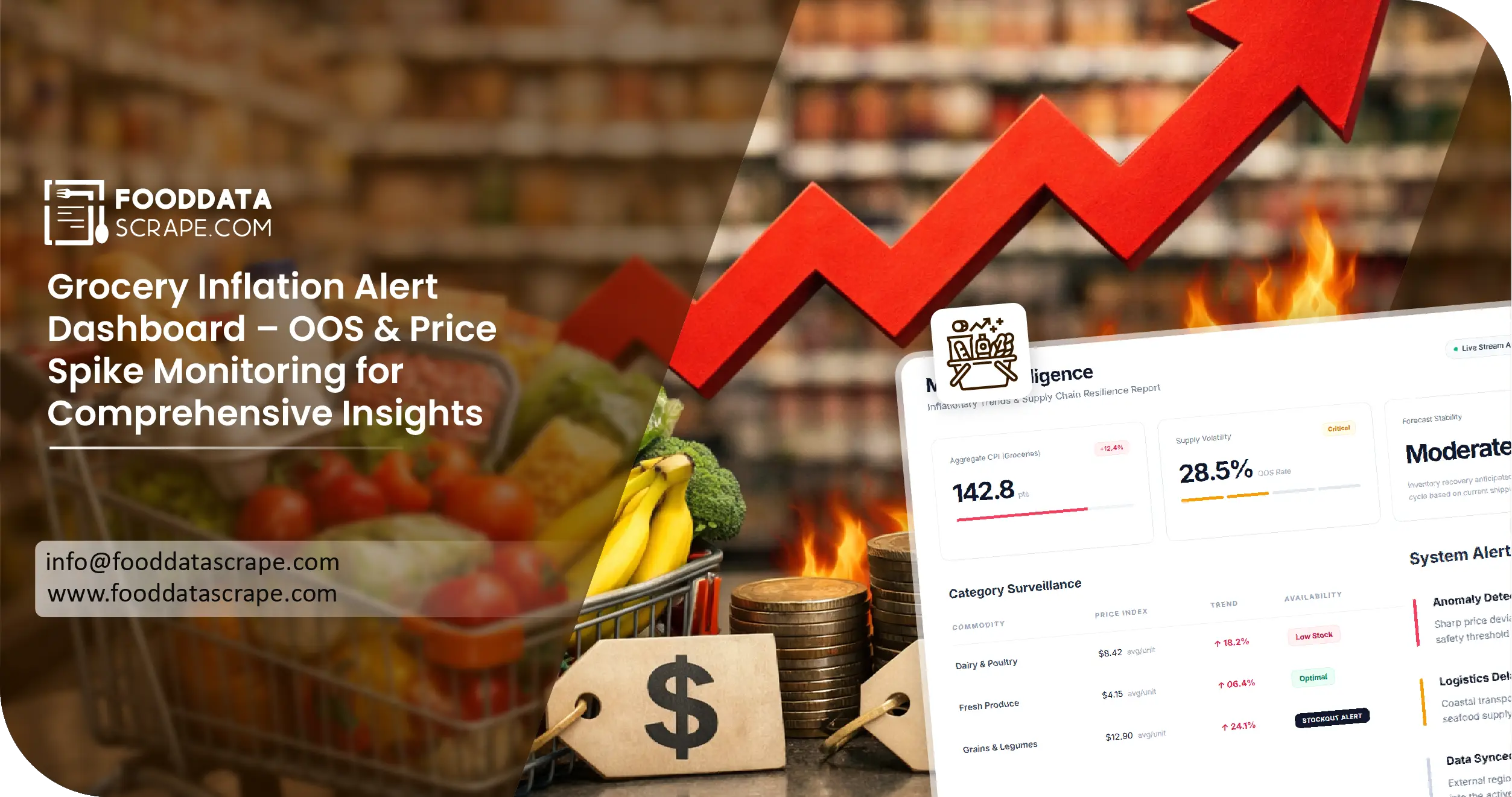
The client is a leading retail grocery conglomerate operating over 1,500 stores across multiple regions in India. Facing challenges from fluctuating prices and frequent stockouts, the client sought a comprehensive solution to monitor market trends and optimize inventory management. By leveraging to Extract Grocery Inflation Data, the client gained actionable insights into price variations and inflation patterns across categories, enabling strategic sourcing decisions. Their teams could quickly identify high-risk products and regions, minimizing losses due to unexpected price spikes. With Grocery Inventory & Inflation Analytics, store managers received detailed dashboards combining inventory levels, supplier data, and price trends, improving replenishment efficiency by 20%. Additionally, integrating the Real-Time Grocery Price Monitoring API provided instant alerts on price surges and out-of-stock situations, ensuring timely interventions. Overall, the client strengthened operational efficiency, enhanced profit margins, and delivered a consistent shopping experience to customers across all locations.
Key Challenges
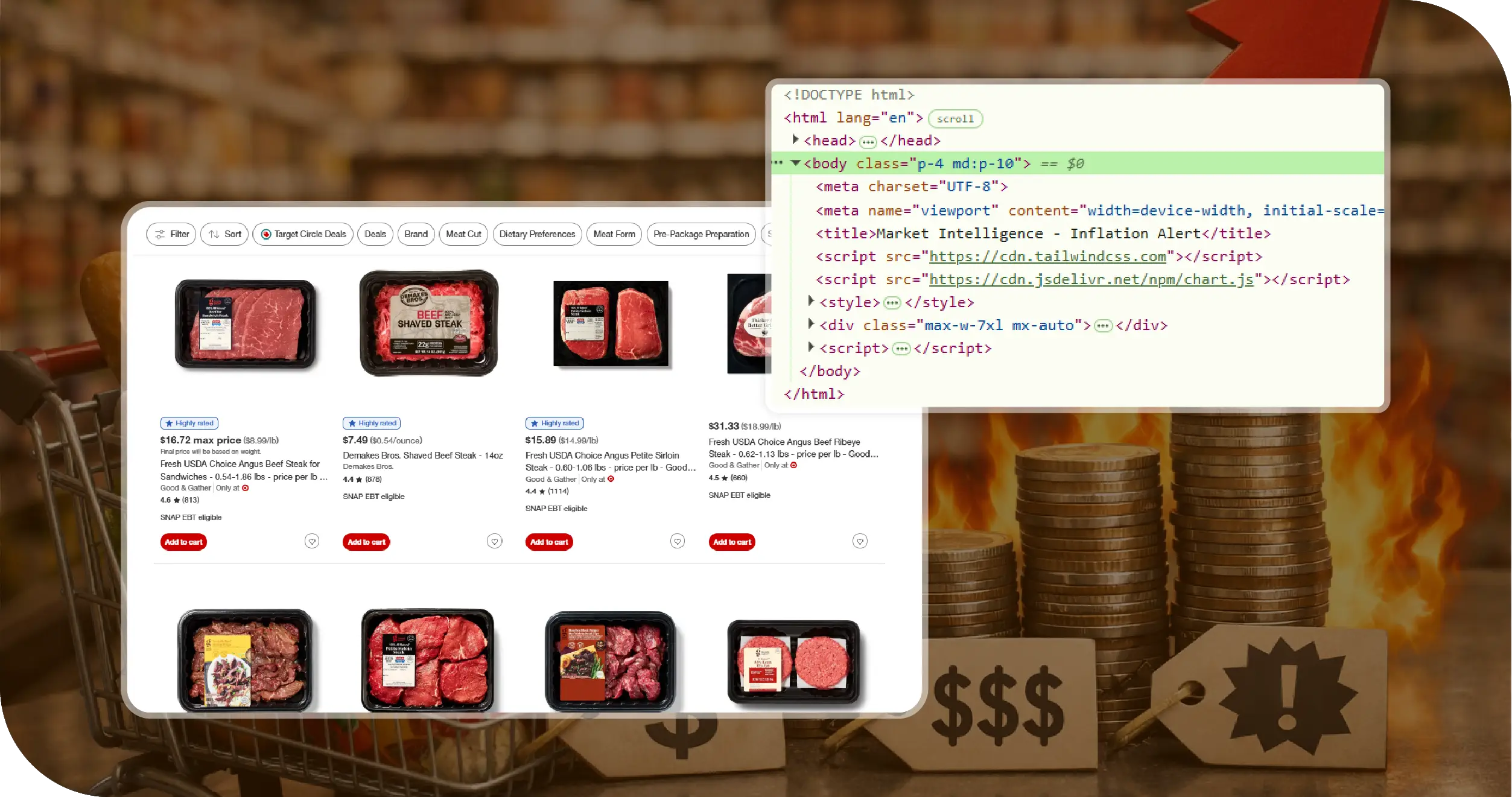
- Managing Rapid Price Fluctuations: The client struggled to track sudden changes in grocery prices across multiple categories and regions. Using Scrape Grocery Price Inflation Data was essential to detect spikes, but real-time monitoring remained a challenge without automated, centralized solutions.
- Inconsistent Inventory Visibility: Frequent stockouts and delayed inventory updates caused inefficiencies in supply planning. Leveraging Grocery App Data Scraping services helped gather store-level data, yet integrating it into actionable dashboards required advanced analytics and real-time data pipelines.
- Monitoring Multiple Delivery Platforms: Tracking prices and availability across numerous grocery delivery apps was complex. The client relied on Grocery Delivery Scraping API Services to consolidate platform data, but ensuring accuracy, timeliness, and consistency across all channels posed ongoing operational difficulties.
Key Solutions
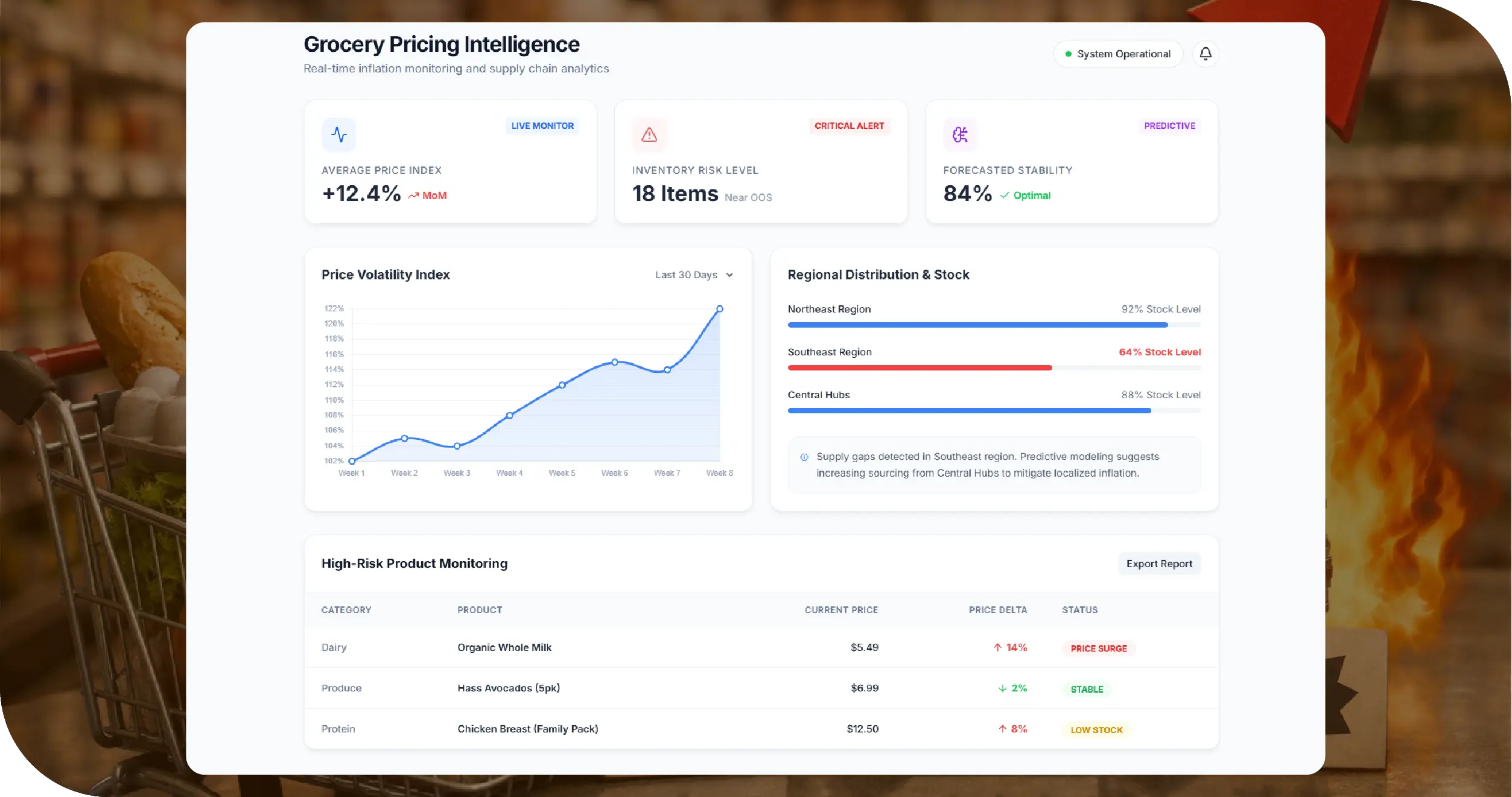
- Centralized Price Monitoring: We deployed a Grocery Price Dashboard that aggregated pricing and inventory data across all stores and delivery platforms. This allowed the client to detect sudden price changes instantly, streamline decision-making, and minimize losses caused by unexpected price surges.
- Store-Level Tracking & Alerts: Through a Grocery Price Tracking Dashboard, the client gained visibility into stock levels, regional price differences, and supply gaps. Automated alerts for low stock or abnormal price shifts empowered store managers to act quickly and prevent revenue and customer satisfaction losses.
- Predictive Data Analytics: Utilizing Grocery Pricing Data Intelligence, we incorporated predictive modeling to anticipate inflation trends, identify high-risk products, and enable proactive sourcing and pricing strategies. This reduced stockouts, optimized margins, and improved overall operational efficiency across the grocery chain.
Product Category
| Product Category | Current Price (₹) | Price Spike Count | OOS Alerts | Stores Covered |
|---|---|---|---|---|
| Rice & Grains | 220 | 10 | 5 | 1500 |
| Milk & Dairy | 175 | 8 | 4 | 1200 |
| Beverages | 110 | 6 | 3 | 1100 |
| Snacks & Confectionery | 90 | 12 | 7 | 1000 |
| Household Care | 240 | 9 | 5 | 950 |
Methodologies Used

- Data Collection from Multiple Sources: We gathered data from retail stores, online grocery apps, and supplier feeds. Structured and unstructured data was extracted using automated scripts, ensuring comprehensive coverage of pricing, inventory, and product availability across different regions and channels.
- Real-Time Data Integration: Collected data was ingested into a centralized platform with real-time processing capabilities. Streamlined data pipelines ensured that inventory levels, price fluctuations, and stock alerts were continuously updated, enabling timely analysis and immediate operational responses.
- Data Cleaning and Validation: Raw data was normalized, duplicates removed, and inconsistencies corrected. Validation checks were applied to ensure accuracy across multiple sources, improving the reliability of dashboards and reports for decision-making by category managers and regional teams.
- Analytical Modeling and Forecasting: Statistical and predictive models were applied to identify patterns, forecast demand, and predict potential stockouts. This enabled proactive interventions, optimized replenishment cycles, and reduced the risk of sudden price spikes or inventory shortages.
- Visualization and Reporting: Interactive dashboards and reports were developed for easy interpretation of complex data. Heatmaps, trend graphs, and alert systems allowed stakeholders to quickly monitor high-risk products, regional variations, and operational performance, enhancing decision-making efficiency across the supply chain.
Advantages of Collecting Data Using Food Data Scrape
- Improved Decision-Making: Access to structured, real-time data allows businesses to make informed decisions. Managers can identify trends, evaluate performance metrics, and respond to market changes proactively, reducing risks and improving operational efficiency across multiple regions and product categories.
- Enhanced Operational Efficiency: Automating data collection eliminates manual processes, saving time and resources. Teams can focus on analysis and strategy rather than gathering information, which streamlines workflows, reduces human error, and ensures that critical data is available when needed.
- Competitive Market Insights: Continuous monitoring of competitors, pricing trends, and product availability helps businesses stay ahead in the market. Insights derived from the data enable timely strategic adjustments, improving market positioning and helping identify emerging opportunities before competitors.
- Accurate Trend Analysis: Historical and real-time data combined enables precise trend identification. Businesses can forecast demand, predict stockouts, and analyze pricing patterns effectively, allowing for smarter planning, inventory management, and proactive mitigation of potential operational challenges.
- Scalability and Flexibility: Data scraping services can scale with business growth, handling increasing volumes of information across multiple sources. Flexible integration with existing platforms ensures that insights are continuously delivered without disrupting existing systems or processes.
Client’s Testimonial
"Partnering with this team has transformed the way we manage pricing and inventory across our grocery chain. Their data scraping services provided us with accurate, real-time insights that were previously impossible to gather manually. The dashboards are intuitive, actionable, and have significantly reduced stockouts and pricing discrepancies. We can now make proactive decisions, anticipate market changes, and optimize our supply chain effectively. The team’s professionalism, responsiveness, and deep understanding of retail operations made the implementation seamless. Their solutions have truly elevated our operational efficiency and strategic planning capabilities."
Head of Operations
Final Outcomes:
The implementation of our data scraping solutions delivered measurable improvements across the client’s grocery operations. Real-time monitoring of prices and inventory allowed the client to quickly identify stockouts and price spikes, enabling proactive decision-making. Operational efficiency improved significantly, with store managers now able to anticipate shortages and optimize replenishment cycles. Data-driven insights also strengthened supplier negotiations, helping maintain competitive pricing and protect profit margins. Historical and current data trends provided actionable intelligence for strategic planning, ensuring sustained market competitiveness. Additionally, the consolidation of multiple sources into centralized dashboards streamlined reporting and reduced manual effort. Overall, the client now has access to accurate Grocery Store Datasets, enhancing visibility, control, and performance across their retail network.