
Client’s Challenges
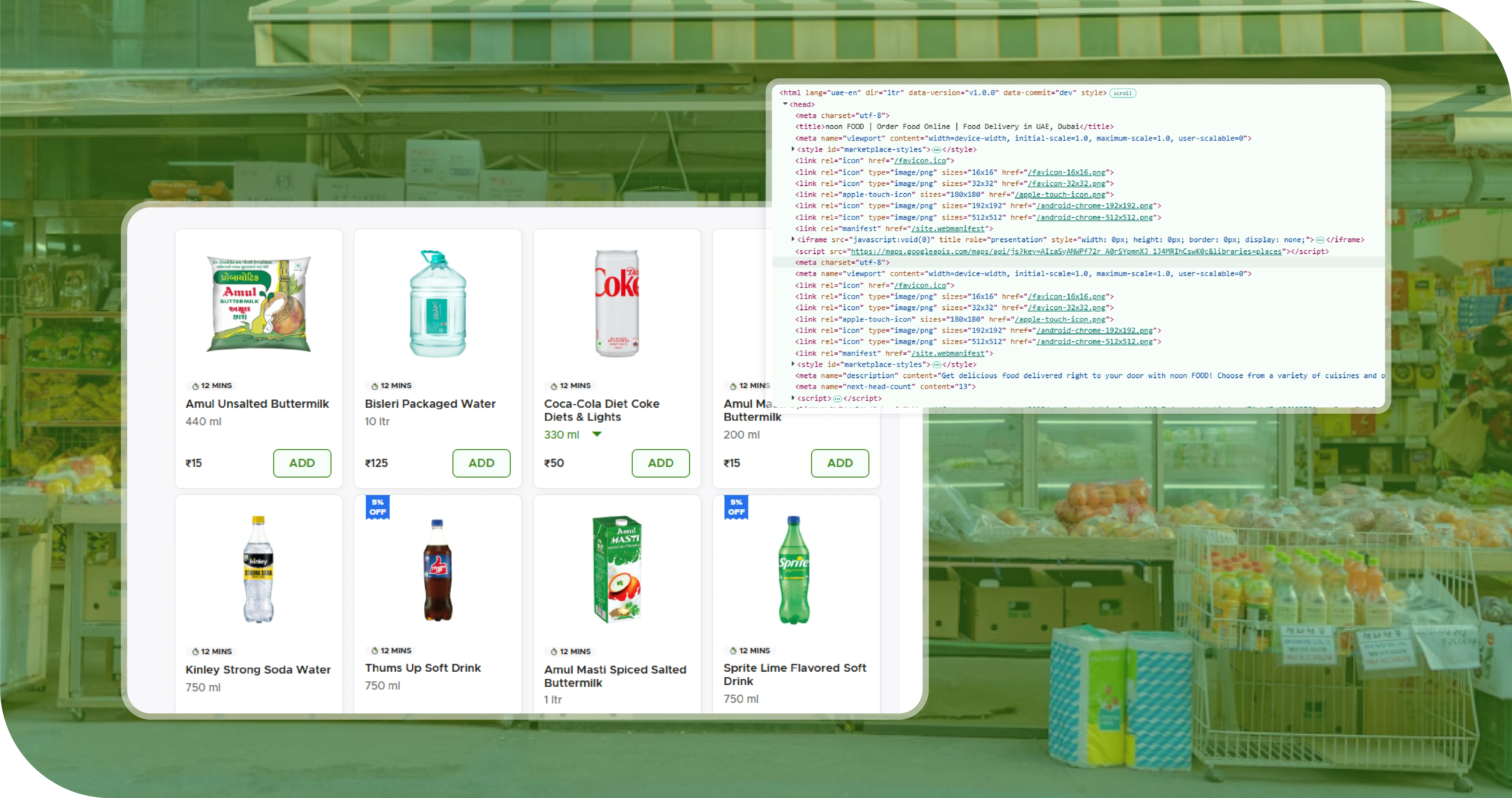
- Data Fragmentation & SKU Complexity
The client struggled with inconsistent datasets due to frequent product listing changes across cities. Maintaining accurate Blinkit SKU-level intelligence extraction became difficult, as variations in availability, naming conventions, and regional assortment created challenges in ensuring clean, standardized, and reliable datasets. - Dynamic Pricing & Competitive Tracking Challenges
Tracking Blinkit competitive price data scraping was complex due to constant price fluctuations, localized discounts, and competitor variability. This required continuous monitoring and automation, as manual tracking failed to capture real-time pricing intelligence needed for accurate benchmarking and strategic pricing decisions. - Scalability & Insight Generation Limitations
Deriving Blinkit market share data scraping insights was hindered by fragmented sources and lack of unified metrics. Implementing Q-commerce scraping analytics Blinkit growth strategies required scalable infrastructure to process large real-time datasets and convert them into actionable, decision-ready business insights efficiently.
Our Solutions: Q-Commerce Data Scraping
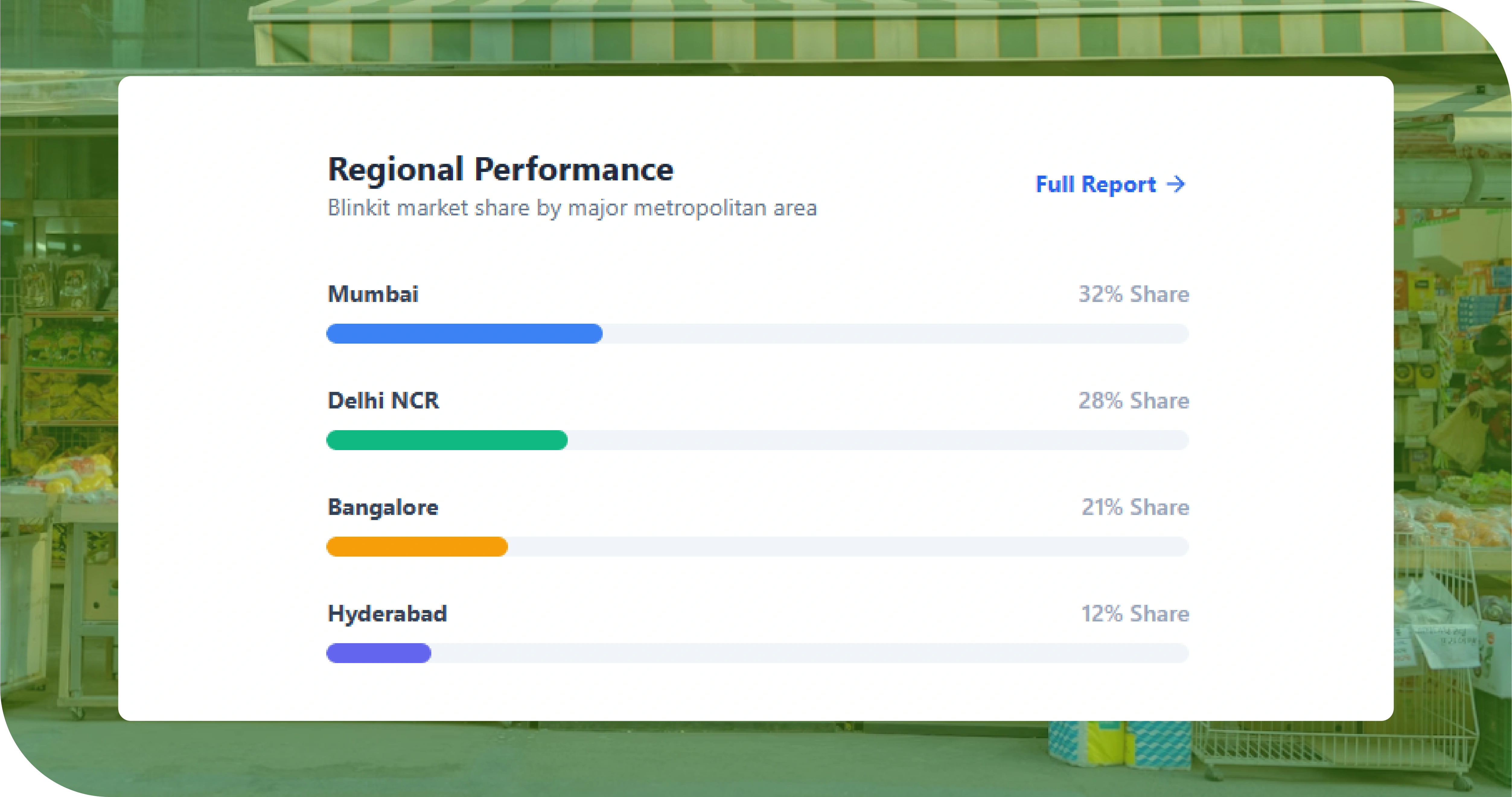
- Unified Data Intelligence Framework
We implemented a scalable system powered by Blinkit Grocery market share Dataset, enabling unified tracking of demand, pricing, and regional performance. This centralized approach helped the client eliminate data silos and gain a consistent, holistic view of market dynamics. - Automated Real-Time Data Extraction
Using the Blinkit Quick Commerce Data Scraping API, we automated real-time extraction of SKU availability, delivery timelines, and dark store coverage. Our Web Scraping Quick Commerce Data approach ensured continuous data flow, improved accuracy, and faster access to actionable insights. - Granular Product & Competitive Insights
With the FMCG product Data Scraping API, we delivered detailed product-level intelligence, including brand competition, discount patterns, and inventory shifts. This enabled the client to refine pricing strategies, optimize assortment planning, and respond effectively to changing market conditions.
Below is a sample of the structured dataset delivered:
| City | SKU Name | Category | Price (₹) | Discount (%) | Availability | Delivery Time (mins) | Market Share (%) |
|---|---|---|---|---|---|---|---|
| Delhi | Milk 1L | Dairy | 62 | 5 | In Stock | 10 | 48 |
| Mumbai | Bread | Bakery | 40 | 3 | In Stock | 12 | 45 |
| Bangalore | Eggs (12 pcs) | Poultry | 78 | 6 | Low Stock | 11 | 44 |
| Hyderabad | Rice 5kg | Staples | 310 | 8 | In Stock | 15 | 46 |
| Pune | Cooking Oil 1L | Grocery | 155 | 7 | In Stock | 13 | 43 |
Methodologies Used
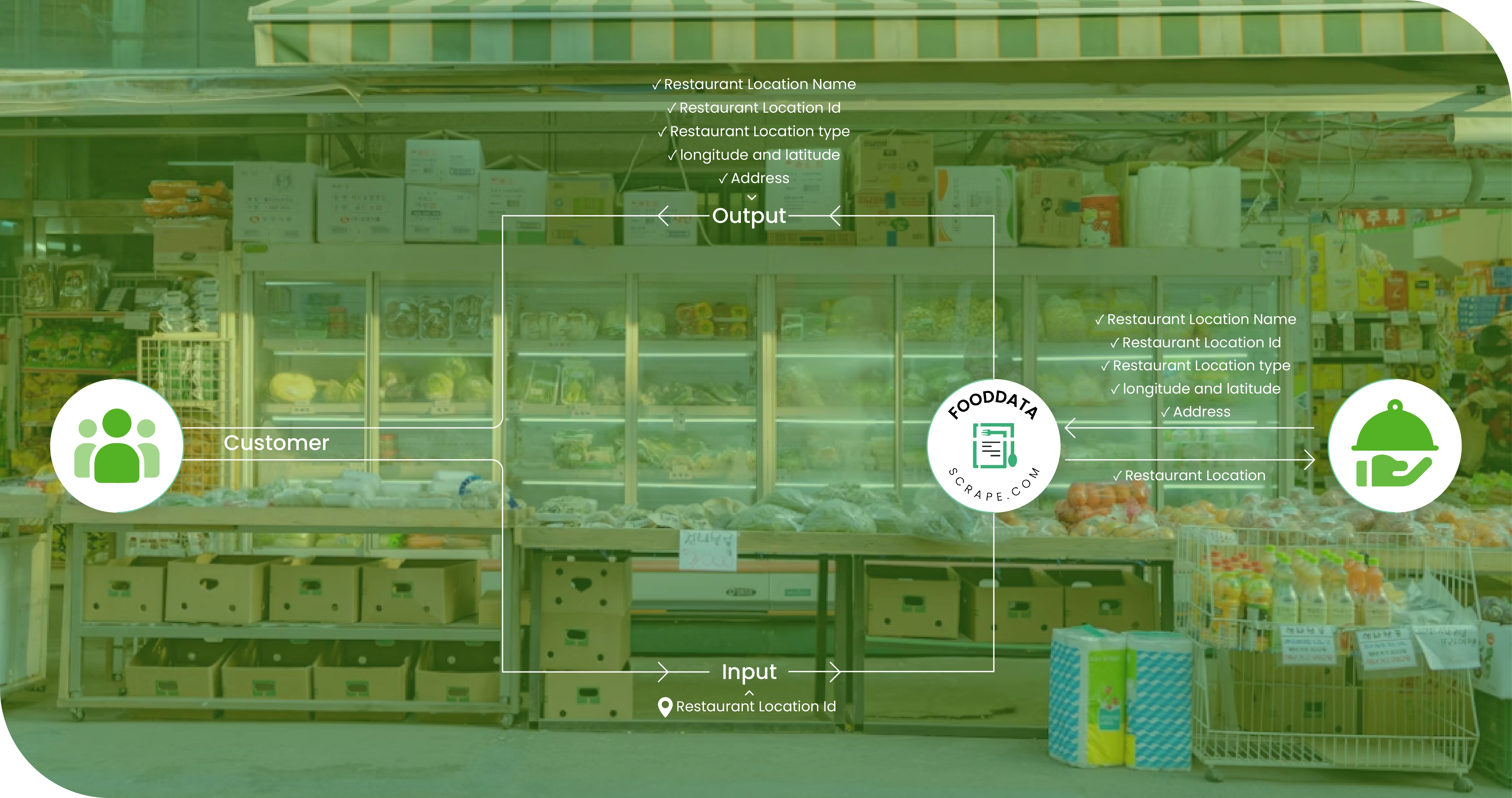
- Automated Data Collection Framework
We designed automated pipelines to continuously extract structured and unstructured data from quick commerce platforms, ensuring real-time updates. This minimized manual effort, improved efficiency, and enabled seamless collection of large-scale datasets across multiple cities and product categories. - Data Cleaning & Normalization
Raw scraped data was processed through advanced cleaning and normalization techniques to remove inconsistencies, duplicates, and errors. This ensured standardized datasets, allowing accurate comparisons across regions, platforms, and product categories for reliable analytics and reporting. - Real-Time Monitoring & Updates
We implemented continuous monitoring systems to track pricing, availability, and delivery changes in real time. This ensured up-to-date insights, helping the client respond quickly to market shifts and maintain a competitive edge in dynamic environments. - Multi-Source Data Integration
Data from multiple platforms and sources was integrated into a unified system, enabling a comprehensive view of the market. This approach eliminated data silos and allowed cross-platform comparisons for deeper competitive and operational insights. - Advanced Analytics & Visualization
We applied analytical models and visualization tools to transform raw data into actionable insights. Interactive dashboards and reports enabled the client to identify trends, optimize strategies, and make data-driven decisions with clarity and confidence.
Advantages of Collecting Data Using Food Data Scrape
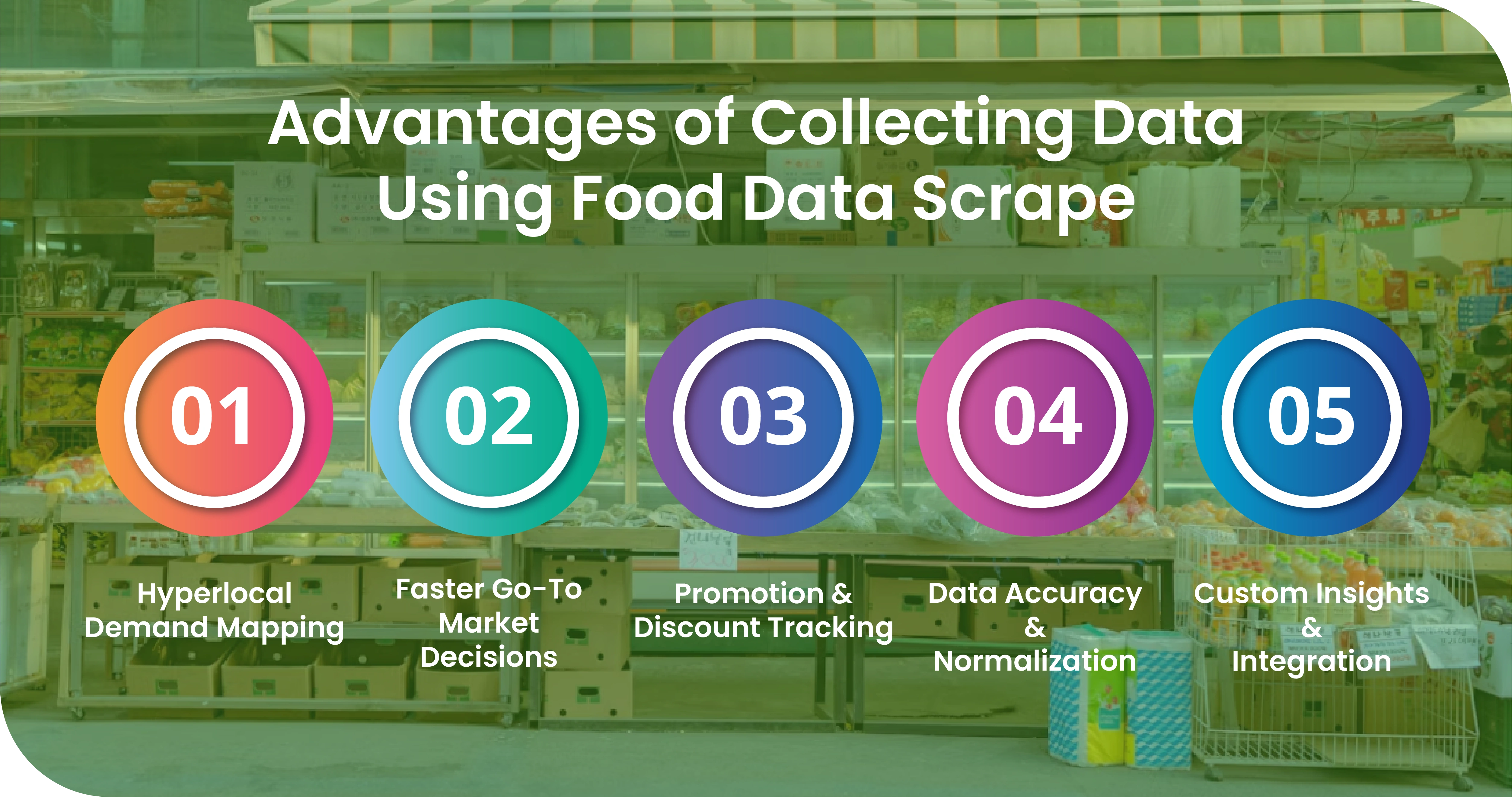
- Hyperlocal Demand Mapping
Our data scraping services uncover city-wise and micro-location demand trends, helping businesses understand what customers prefer in specific areas, enabling smarter assortment planning, targeted marketing strategies, and improved fulfillment efficiency tailored to localized consumption behavior. - Faster Go-To-Market Decisions
By delivering near real-time competitive and product intelligence, we help businesses accelerate decision-making, reduce dependency on manual research, and quickly adapt to pricing, inventory, and promotional changes in highly dynamic quick commerce environments. - Promotion & Discount Tracking
We capture detailed promotional data, including flash sales, bundled offers, and discount frequency, allowing businesses to analyze campaign effectiveness, optimize promotional spend, and design compelling offers that attract and retain price-sensitive customers. - Data Accuracy & Normalization
Our advanced pipelines clean, structure, and standardize raw scraped data from multiple sources, eliminating inconsistencies and ensuring high data accuracy, so businesses can confidently rely on insights for reporting, forecasting, and strategic planning. - Custom Insights & Integration
We offer tailored data solutions that integrate seamlessly with existing systems, enabling businesses to generate custom reports, visualize trends, and align insights with specific KPIs, ensuring data directly supports unique business goals and growth strategies.
Client’s Testimonial
“Partnering with this team transformed how we understand the quick commerce landscape. Their data scraping solutions delivered accurate, real-time insights on pricing, inventory, and market share, helping us refine our strategy with confidence. The level of granularity and consistency in their datasets enabled faster decision-making and stronger competitive positioning. What stood out most was their ability to customize insights based on our business needs and integrate seamlessly with our analytics systems. This partnership has been instrumental in driving measurable growth and operational efficiency for us.”
—Director of Strategy & Analytics
Final Outcome
The final outcome delivered significant strategic value, enabling the client to gain a clear and data-backed understanding of the quick commerce ecosystem. By leveraging Quick Commerce Data Intelligence Services, the client achieved enhanced visibility into pricing trends, SKU performance, and regional demand patterns.
This led to improved competitive benchmarking, optimized inventory planning, and more effective pricing strategies. The integration of real-time insights allowed faster decision-making and helped identify high-growth markets and underperforming segments.
Are you in need of high-class scraping services? Food Data Scrape should be your first point of call. We are undoubtedly the best in Food Data Aggregator and Mobile Grocery App Scraping service and we render impeccable data insights and analytics for strategic decision-making. With a legacy of excellence as our backbone, we help companies become data-driven, fueling their development. Please take advantage of our tailored solutions that will add value to your business. Contact us today to unlock the value of your data.