Introduction
Retail pricing in the Middle East has become more competitive and transparent than ever before. Consumers regularly compare prices across online marketplaces and hypermarkets before making a purchase, while brands and distributors closely monitor retail partners to protect margins and pricing discipline.
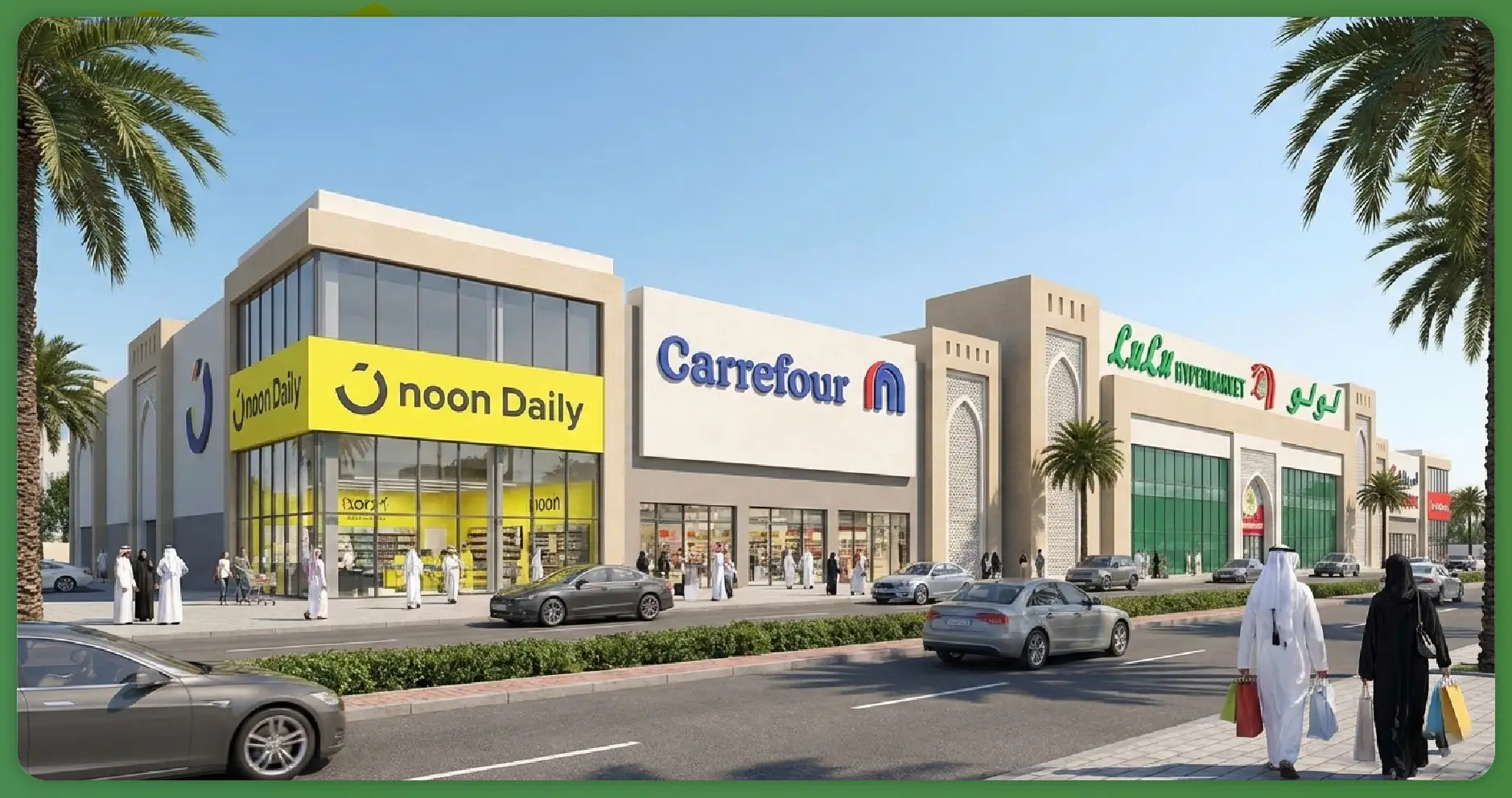
Three platforms dominate a large share of this ecosystem: Noon, Carrefour, and Lulu Hypermarket. Each operates with a distinct retail model, pricing philosophy, and promotional strategy. Noon functions as a multi-seller online marketplace, Carrefour combines online and physical retail with strong private labels, while Lulu Hypermarket focuses heavily on hypermarket-style everyday pricing.
For FMCG brands, grocery suppliers, analytics teams, and investors, understanding how prices differ across these platforms is critical. However, tracking thousands of SKUs manually across regions is not scalable.
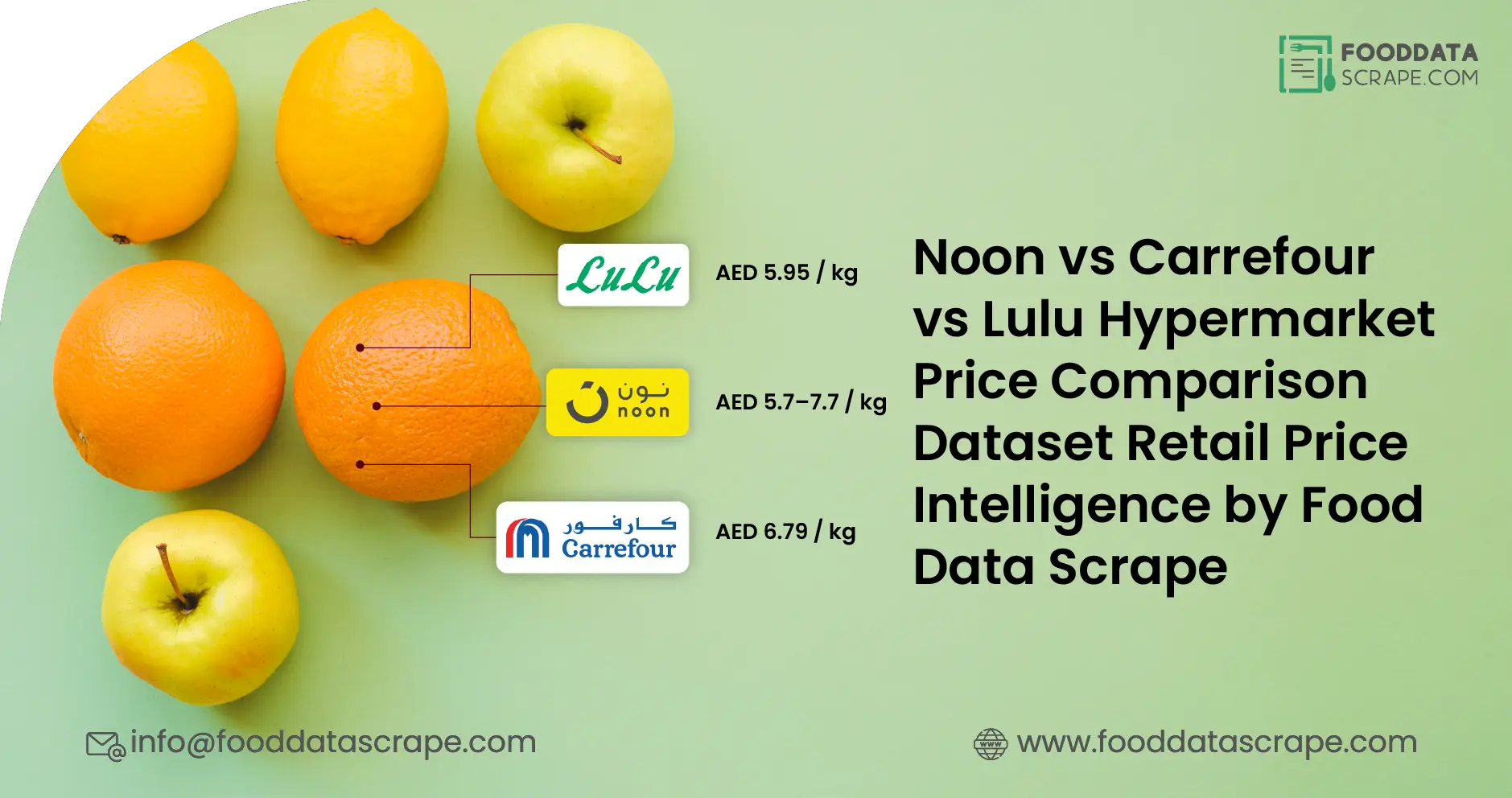
This is where Food Data Scrape steps in with a Noon vs Carrefour vs Lulu Hypermarket Price Comparison Dataset, built using automated retail data scraping APIs. This blog explains how the dataset works, what insights it delivers, and why it matters for retail intelligence.
Why Cross-Retail Price Comparison Matters
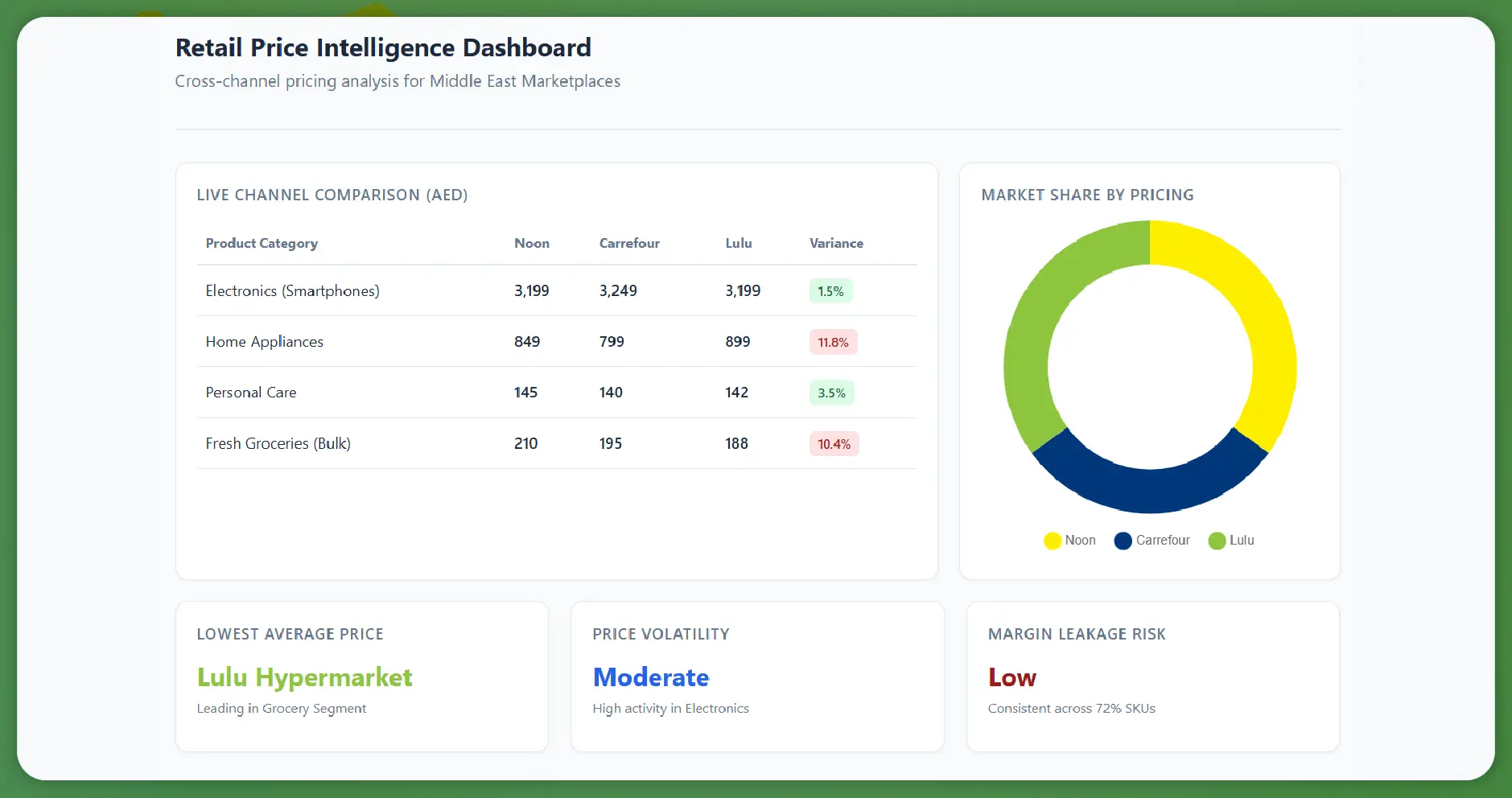
Retail pricing is no longer static. Prices shift daily based on promotions, stock levels, seller competition, and platform campaigns. Without structured comparison data, businesses face blind spots such as:
- Overpricing or underpricing across channels
- Margin leakage due to inconsistent discounting
- Missed competitive signals during sales events
- Weak negotiation positions with retailers
A unified dataset that compares prices across Noon, Carrefour, and Lulu Hypermarket enables data-driven decisions rather than assumptions.
Retail Platform Overview
Before diving into the dataset, it is important to understand how each platform operates.
Noon
Noon is a multi-seller marketplace where multiple sellers can list the same product at different prices. This leads to high price volatility, frequent undercutting, and seller-level competition on the same SKU.
Carrefour
Carrefour operates both online and offline. Pricing is generally more standardized, with a strong focus on private labels, loyalty discounts, and region-specific promotions.
Lulu Hypermarket
Lulu Hypermarket emphasizes hypermarket pricing, bulk packs, and strong grocery and fresh food assortments. Prices are often stable but vary by city and country.
These structural differences make direct price comparison complex without normalized data.
The Challenge of Manual Price Tracking
Brands and analysts attempting manual comparison across Noon, Carrefour, and Lulu face multiple challenges:
- Thousands of SKUs across categories
- Different naming conventions and pack sizes
- Frequent price and offer changes
- City-wise and country-wise variations
Manual spreadsheets quickly become outdated. Food Data Scrape designed a dataset that automates this entire process.
Solution Overview: Price Comparison Dataset by Food Data Scrape
Food Data Scrape built a retail price comparison dataset by scraping publicly available product listings from Noon, Carrefour, and Lulu Hypermarket and normalizing them into a single, analytics-ready structure.
Core Objectives
- Compare identical SKUs across all three platforms
- Track selling price, MRP, and discounts
- Capture availability and stock signals
- Enable city-wise and country-wise analysis
- Deliver clean datasets for dashboards and reports
Data Points Covered in the Dataset
The dataset captures structured data across multiple layers.
Product-Level Data
- Product name
- Brand
- Category and subcategory
- Pack size and unit
- SKU or product ID
Price-Level Data
- MRP
- Selling price
- Discount amount
- Discount percentage
Availability Data
- In-stock or out-of-stock status
- Platform availability
- City or country coverage
Sample SKU Mapping Across Platforms
| Product Name | Brand | Pack Size | Noon | Carrefour | Lulu |
|---|---|---|---|---|---|
| Fortune Sunflower Oil | Fortune | 1 L | Yes | Yes | Yes |
| Tata Salt | Tata | 1 Kg | Yes | Yes | Yes |
| Nescafé Classic | Nestlé | 200 g | Yes | Yes | No |
This SKU mapping ensures fair, like-to-like price comparison.
Sample Price Comparison Dataset
| Product Name | City | Noon Price | Carrefour Price | Lulu Price | Lowest Price |
|---|---|---|---|---|---|
| Fortune Sunflower Oil | Dubai | AED 7.50 | AED 7.75 | AED 7.20 | Lulu |
| Tata Salt | Dubai | AED 1.95 | AED 2.10 | AED 1.90 | Lulu |
| Nescafé Classic 200g | Dubai | AED 16.99 | AED 17.50 | — | Noon |
Key Insights Enabled by the Dataset
1. Platform-Wise Price Leadership
The dataset helps identify which platform consistently offers lower prices for specific categories such as staples, beverages, or personal care.
2. Discount Dependency Analysis
Brands can see where discounts drive competitiveness versus where everyday pricing dominates.
3. Marketplace vs Retail Pricing Behavior
Noon often shows higher volatility due to seller competition, while Carrefour and Lulu show more stable pricing patterns.
City-Wise and Regional Comparison
Prices often differ by city due to logistics, competition, and local demand. The dataset enables:
- Dubai vs Abu Dhabi price comparison
- UAE vs KSA pricing trends
- Regional promotion effectiveness
This is critical for regional pricing strategies.
Use Case 1: FMCG Brand Pricing Strategy
An FMCG brand used the dataset to compare its flagship SKUs across Noon, Carrefour, and Lulu.
Outcome:
- Identified underpricing on Noon by third-party sellers
- Adjusted distributor pricing
- Improved channel consistency
Use Case 2: Distributor & Wholesaler Intelligence
Distributors used the dataset to understand retailer pricing pressure.
Outcome:
- Better margin forecasting
- Smarter inventory allocation
- Improved negotiation leverage
Use Case 3: Market Research & Consulting
Consulting firms used the dataset to produce competitive retail intelligence reports.
Outcome:
- Clear insights into price leadership
- Category-level competitiveness analysis
- Data-backed recommendations
Historical Price Trend Analysis
Food Data Scrape also supports historical tracking, enabling analysis of:
- Monthly price trends
- Sale-period pricing behavior
- Discount frequency by platform
This allows brands to plan promotions and launches more effectively.
Data Accuracy and Quality Control
To ensure reliability, Food Data Scrape applies:
- SKU duplication checks
- Price anomaly detection
- Pack size normalization
- Category standardization
The result is enterprise-grade, analytics-ready data.
Data Delivery Formats
Clients receive the dataset in flexible formats:
- CSV
- Excel
- JSON via API
This makes integration with BI tools and dashboards seamless.
Who Benefits from This Dataset
- FMCG and CPG brands
- Retail analytics firms
- Distributors and wholesalers
- Investment and consulting firms
- Pricing and revenue teams
Why Choose Food Data Scrape
Food Data Scrape specializes in building custom retail and e-commerce datasets tailored for real business use cases. With scalable scraping infrastructure and deep domain expertise, Food Data Scrape transforms fragmented retail listings into structured intelligence.
Conclusion
The Noon vs Carrefour vs Lulu Hypermarket Price Comparison Dataset from Food Data Scrape provides a unified, data-driven view of retail pricing across the Middle East’s most influential platforms. In a market where pricing decisions directly impact margins and competitiveness, access to accurate comparison data is a strategic advantage.
By automating price collection and normalization, Food Data Scrape enables brands and analysts to move beyond guesswork and make confident, insight-driven retail decisions.
Are you in need of high-class scraping services? Food Data Scrape should be your first point of call. We are undoubtedly the best in Food Data Aggregator and Mobile Grocery App Scraping service and we render impeccable data insights and analytics for strategic decision-making. With a legacy of excellence as our backbone, we help companies become data-driven, fueling their development. Please take advantage of our tailored solutions that will add value to your business. Contact us today to unlock the value of your data.