The Client
The client is a fast-growing retail analytics company specializing in digital shelf monitoring and grocery price intelligence across online delivery platforms in New Zealand. They support retailers, brands, and market researchers with accurate datasets to understand pricing trends, promotions, and product availability in competitive urban markets.
To strengthen their analytics capabilities, they required a reliable solution for Uber Eats NZ Grocery Promo & Discount Tracking so they could monitor limited-time offers, bundle deals, and seasonal price drops across multiple grocery partners listed on Uber Eats.
Their goal was also to Extract Uber Eats Prices in Auckland, New Zealand to analyze location-based pricing variations and understand how different stores price identical products across neighborhoods. To achieve these insights, they partnered with our team for Web Scraping Uber Eats Prices in Auckland, New Zealand, enabling them to build structured datasets, automate price monitoring, and enhance their grocery intelligence dashboards with accurate, frequently updated delivery platform data.
Key Challenges
- Difficulty Accessing Structured Data
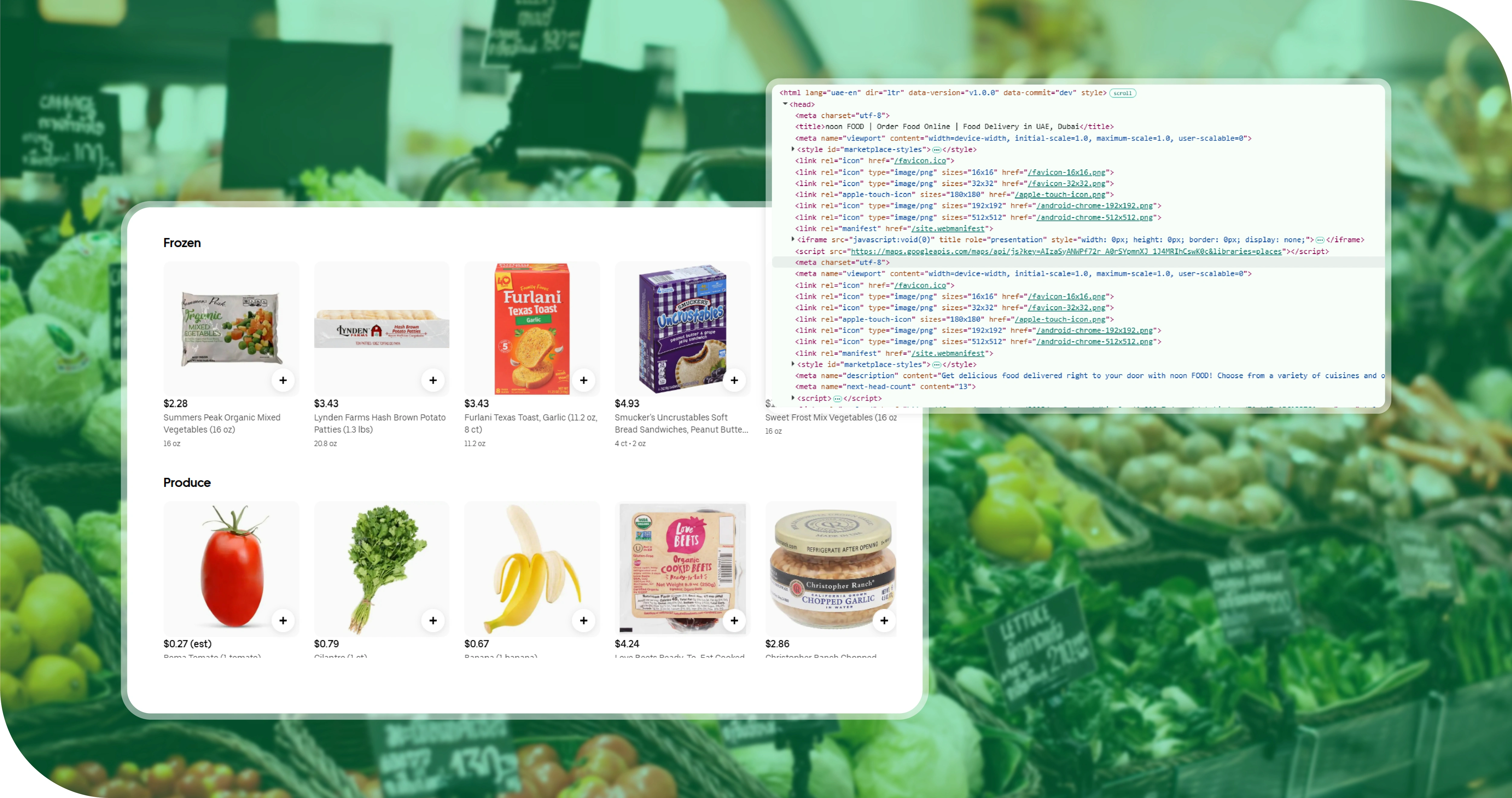
The client struggled to build a reliable Uber Eats Grocery Dataset From New Zealand because product information, prices, and store listings frequently changed. Manually collecting this data from multiple stores in Auckland was time-consuming and inconsistent, affecting the accuracy of their pricing intelligence reports. - Handling Dynamic Platform Architecture
The Uber Eats platform uses dynamic loading and location-based menus, which made it difficult for the client to develop a stable Uber Eats Grocery Delivery Scraping API. Frequent page updates, anti-bot protections, and varying store structures caused repeated scraping failures. - Managing Large-Scale Data Collection
Capturing real-time pricing across dozens of stores required advanced Web Scraping Grocery Data capabilities. The client lacked scalable infrastructure to collect, clean, and standardize large volumes of grocery product data while maintaining high accuracy and consistent update frequency.
Key Solutions
- Automated Data Extraction Framework
We developed a scalable scraping pipeline powered by our Grocery Delivery Extraction API, enabling automated collection of grocery product data from Uber Eats stores across Auckland. The system captured prices, promotions, product names, and availability with scheduled updates and reliable data accuracy. - Real-Time Pricing Intelligence System
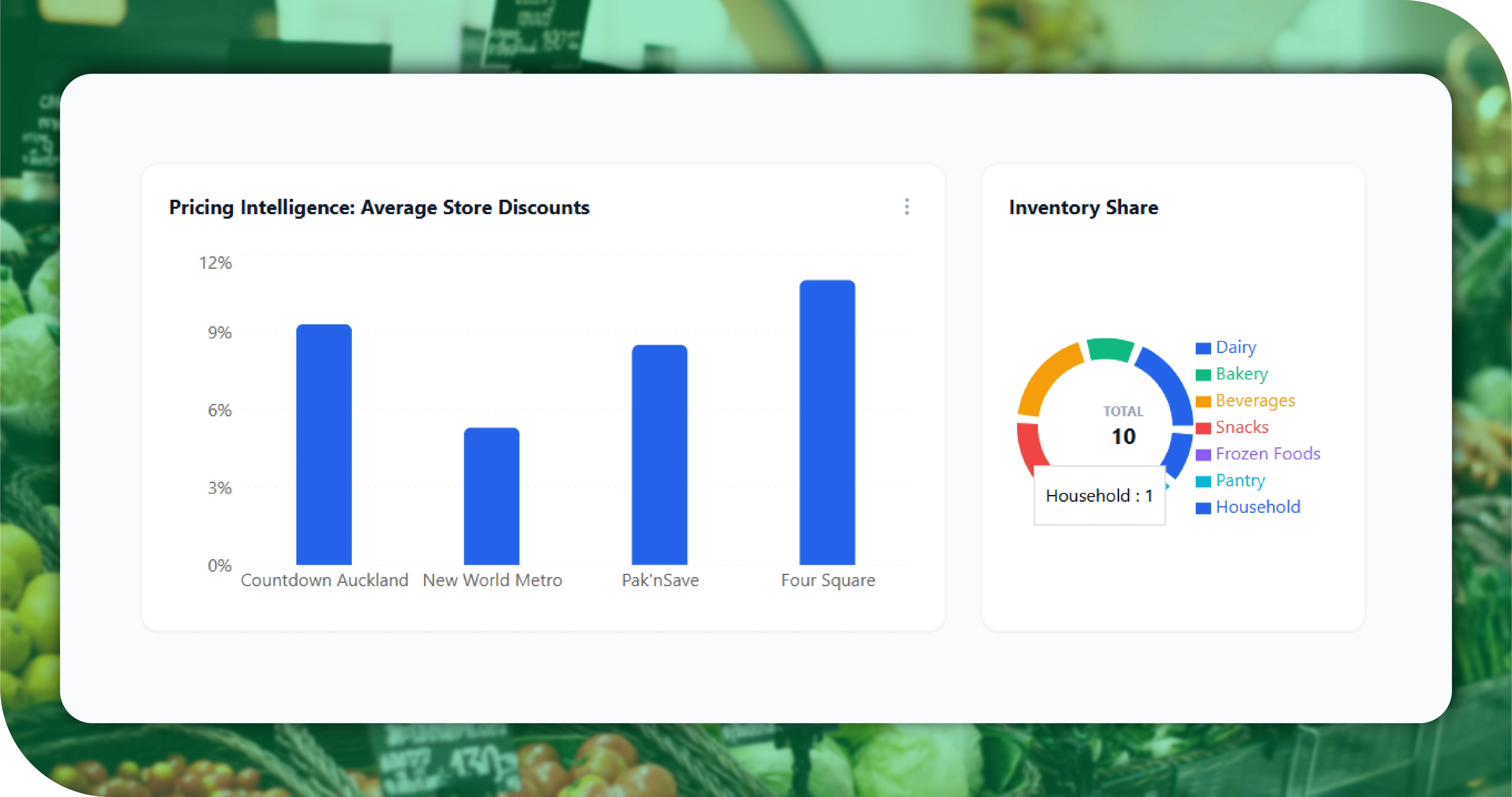
Our team designed an advanced Grocery Price Dashboard that transformed raw scraping data into actionable insights. The dashboard allowed the client to visualize pricing differences across stores, monitor discount trends, and identify competitive gaps within Auckland’s online grocery delivery ecosystem. - Centralized Monitoring & Analytics Platform
To simplify large-scale tracking, we built a custom Grocery Price Tracking Dashboard that automatically updated datasets several times daily. The platform helped the client monitor price fluctuations, store-level promotions, and product availability across multiple grocery partners efficiently.
Sample Data
| Store Name | Product Category | Product Name | Brand | Pack Size | Base Price (NZD) | Discount (%) | Final Price (NZD) | Availability | Store Location | Data Timestamp |
|---|---|---|---|---|---|---|---|---|---|---|
| Countdown Auckland | Dairy | Full Cream Milk | Anchor | 2L | 5.80 | 10 | 5.22 | In Stock | Auckland CBD | 2026-03-12 |
| New World Metro | Bakery | Wholemeal Bread | Tip Top | 700g | 3.90 | 5 | 3.71 | In Stock | Ponsonby | 2026-03-12 |
| Pak'nSave | Beverages | Coca-Cola Classic | Coca-Cola | 1.5L | 3.50 | 8 | 3.22 | In Stock | Mt Albert | 2026-03-12 |
| Four Square | Snacks | Potato Chips | Bluebird | 150g | 2.99 | 12 | 2.63 | In Stock | Grey Lynn | 2026-03-12 |
| Countdown Auckland | Frozen Foods | Chicken Nuggets | Tegel | 1kg | 10.90 | 7 | 10.14 | In Stock | Auckland CBD | 2026-03-12 |
Methodologies Used
- Advanced Data Collection Architecture
We designed a robust data collection framework that automatically gathered product details, prices, discounts, and availability from multiple online grocery listings. The system ensured consistent extraction by adapting to dynamic page elements and maintaining structured data pipelines. - Location-Based Data Targeting
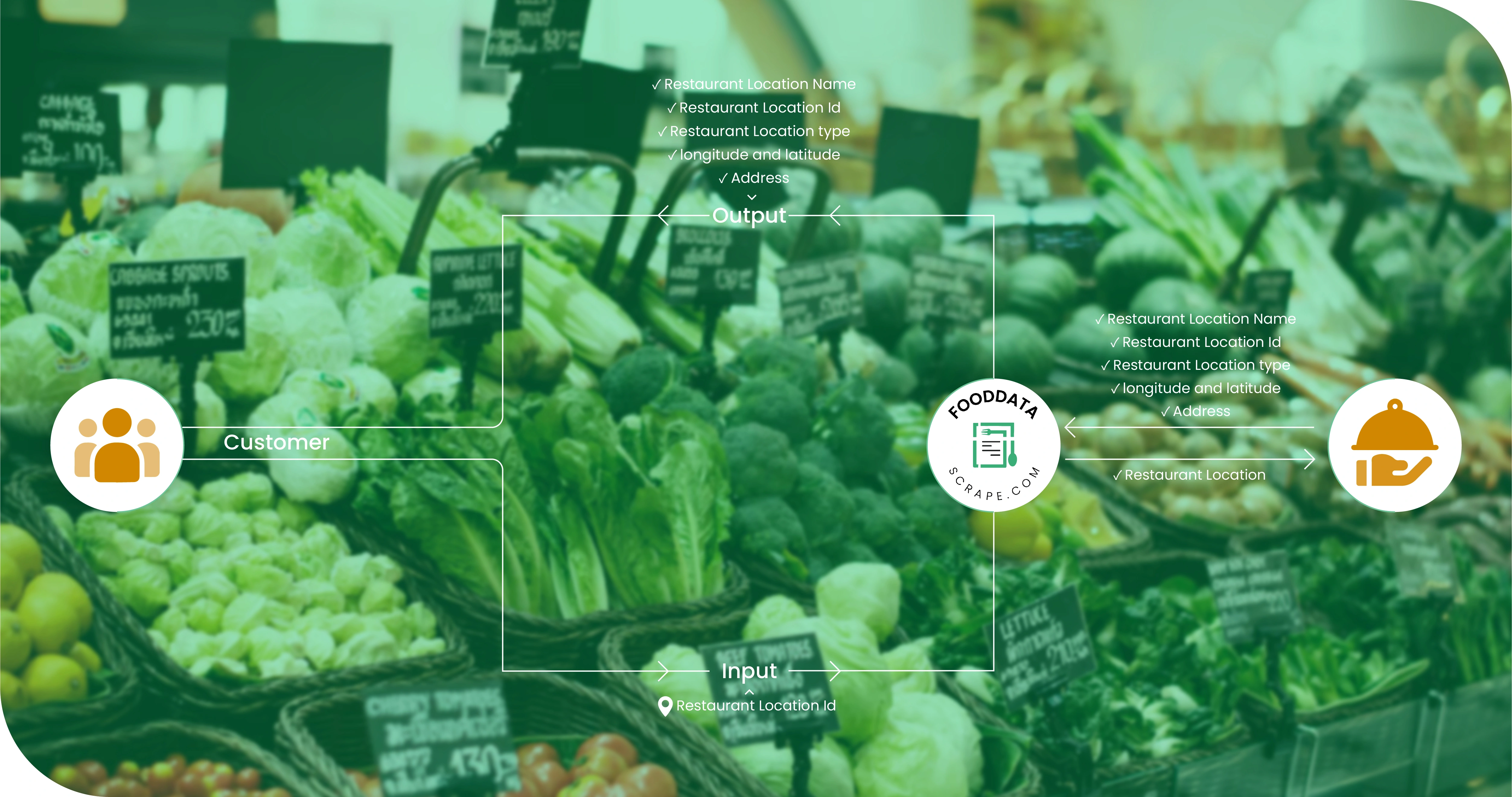
Our team implemented geo-targeted requests to capture store-specific pricing variations across different neighborhoods. This allowed accurate monitoring of regional price differences, store inventories, and promotional offers, providing the client with deeper insights into location-driven pricing strategies. - Dynamic Content Handling Techniques
We used advanced rendering and automation tools to interact with dynamic elements such as scrolling menus, pop-ups, and asynchronous loading. This approach ensured complete extraction of product listings even from complex pages that frequently update their content. - Data Cleaning and Standardization Process
Collected datasets were processed through automated validation workflows to remove duplicates, correct inconsistencies, and standardize product formats. This ensured that the client received clean, analysis-ready data that could be easily integrated into their analytics systems. - Automated Scheduling and Continuous Monitoring
Our infrastructure included scheduled extraction cycles and monitoring systems that ran multiple times daily. This helped track price fluctuations, product availability changes, and new promotional listings while ensuring consistent data updates for the client’s analytics environment.
Advantages of Collecting Data Using Food Data Scrape
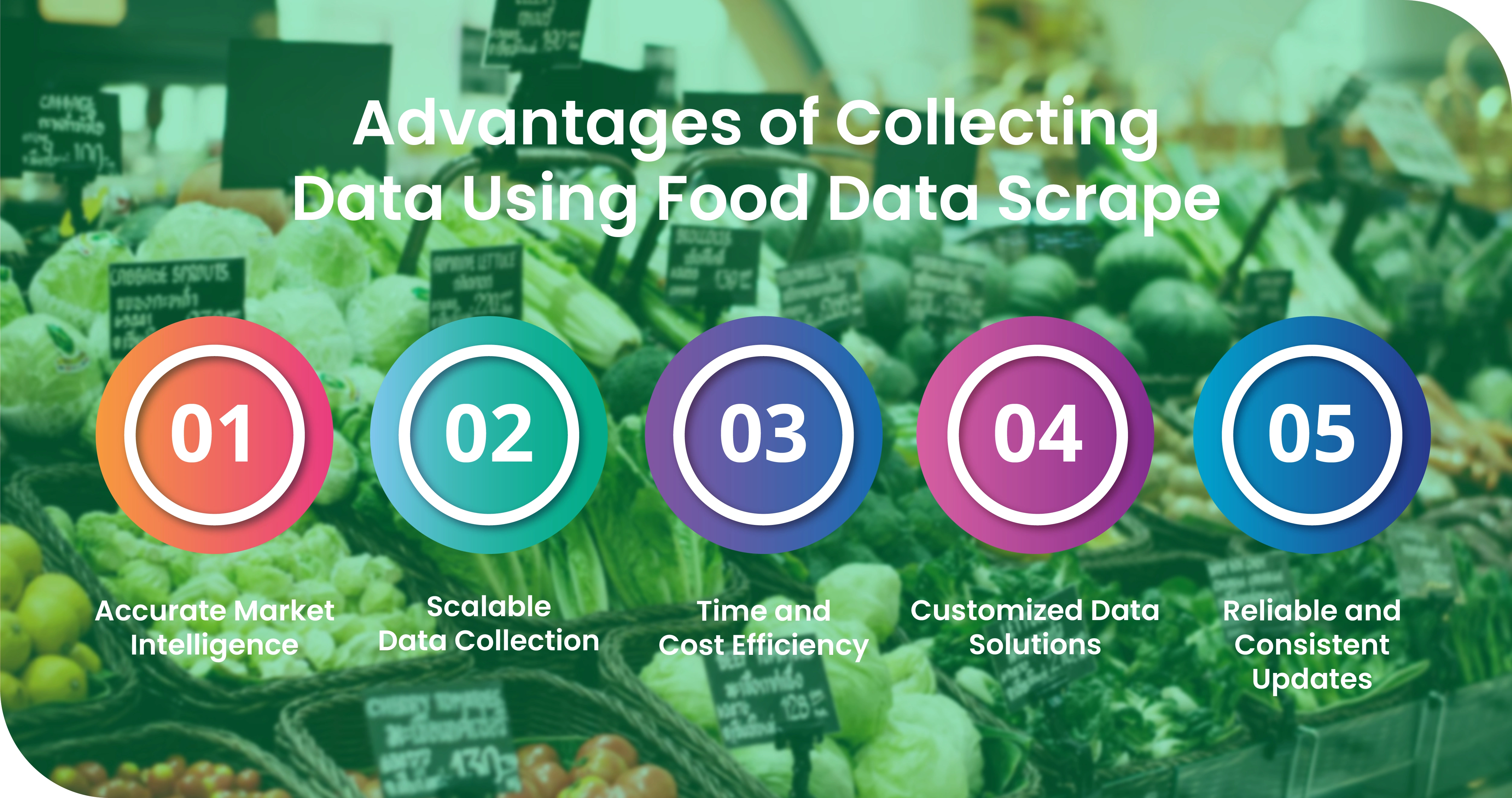
- Accurate Market Intelligence
Our services deliver highly accurate datasets that help businesses monitor market trends, competitor pricing, and product availability. By collecting reliable information from multiple online sources, clients gain clear insights that support strategic planning and data-driven decision making. - Scalable Data Collection
We build scalable extraction systems capable of handling large volumes of data across numerous platforms and locations. This allows businesses to expand monitoring efforts without worrying about infrastructure limitations or manual data collection challenges. - Time and Cost Efficiency
Automating the data collection process significantly reduces the time and operational costs associated with manual research. Businesses can focus on analysis and strategy while our automated systems continuously gather and organize relevant marketplace information. - Customized Data Solutions
Our solutions are designed to match each client’s unique business requirements. We tailor the data structure, extraction frequency, and delivery formats so companies receive insights that directly support their analytics platforms, dashboards, and internal reporting processes. - Reliable and Consistent Updates
We ensure frequent and dependable data updates through automated monitoring systems. This helps clients track price changes, promotional campaigns, and product availability in near real time, enabling faster responses to market shifts and competitive activities.
Client’s Testimonial
Working with this team has significantly improved the way we collect and analyze online grocery pricing data. Their automated extraction system delivered accurate, well-structured datasets that helped us monitor product prices, promotions, and availability across multiple stores in Auckland. The reliability and speed of their data delivery allowed our analysts to build stronger pricing intelligence models and respond quickly to market changes. Their technical expertise, clear communication, and ability to handle complex platforms made the entire project seamless. We now have a dependable data pipeline that supports our strategic decision-making and competitive benchmarking efforts.
—Senior Market Intelligence Manager
Final Outcome
The project delivered a highly efficient and automated data extraction system that enabled the client to consistently monitor grocery pricing, promotions, and product availability across multiple stores in Auckland. With accurate and frequently updated data streams, the client gained stronger visibility into market trends and competitive pricing strategies.
By integrating the collected information into their analytics environment, the client significantly improved their Grocery Data Intelligence, allowing teams to identify pricing gaps, promotional patterns, and product demand fluctuations across different locations. The structured Grocery Datasets provided through our solution helped streamline their reporting workflows, enhance decision-making processes, and build advanced dashboards for ongoing market monitoring. Overall, the solution empowered the client with reliable data infrastructure, enabling faster insights, better competitive benchmarking, and a scalable system to support future grocery delivery platform analysis.