
The global beverage sector is undergoing a fundamental shift as consumer expectations evolve toward healthier, functional, and premium drink options. Traditional sugary beverages are gradually losing dominance while hydration drinks, low-sugar energy beverages, premium ready-to-drink coffee, and ingredient-led wellness drinks gain momentum. Leading beverage manufacturers are redesigning their innovation strategies by focusing on measurable demand signals, targeted product development, and smarter portfolio diversification rather than simply expanding SKU counts.
Digital retail channels, grocery platforms, and online delivery services now play a critical role in shaping market visibility and pricing strategies. By analyzing digital shelf data, companies can track product launches, monitor competitive activity, and evaluate how new beverages perform across retail ecosystems. These insights allow beverage brands to refine innovation pipelines, optimize pricing strategies, and identify emerging consumer preferences early. As the industry moves toward functional benefits, premium ingredients, and personalized consumption experiences, companies that integrate data intelligence with disciplined product innovation are more likely to capture sustained growth and long-term competitive advantage.


Market Shift – Beverage demand is moving from sugar-heavy drinks toward functional hydration, premium coffee, and wellness-focused formulations.
Innovation Strategy – Leading companies prioritize portfolio renovation and targeted innovation instead of launching excessive new products.
Digital Shelf Influence – Online grocery platforms and delivery apps increasingly shape pricing, product visibility, and consumer purchase behavior.
Functional Growth – Prebiotic sodas, adaptogen beverages, and protein-based drinks are expanding rapidly within health-conscious segments.
Data-Led Decisions – Companies rely on real-time retail intelligence to validate demand, optimize pricing strategies, and improve product launch success.

The global beverage industry is undergoing a structural transformation as companies shift from traditional sugary drinks to hydration systems, functional beverages, premium ready-to-drink (RTD) coffee, and low-sugar energy solutions. Innovation is no longer defined by launching hundreds of new SKUs but by strategically aligning product development with measurable consumer demand. Beverage manufacturers are increasingly relying on real-time digital intelligence gathered from retail platforms, grocery delivery apps, and online marketplaces to understand how innovation trends translate into actual sales performance.
Scraping CPG Beverage Industry Innovation Trends 2026 has therefore become a critical research capability for companies seeking to understand how global beverage leaders allocate resources across categories such as gut-health drinks, adaptogen-infused beverages, functional hydration, and premium coffee systems.
Scrape Top Global CPG Beverage Companies Data 2026 to benchmark how industry leaders structure portfolios, monitor pricing shifts, and identify the formats driving category expansion.
Similarly, organizations that Extract Product Launch Data From Beverage CPG Brands gain a deeper understanding of innovation pipelines, ingredient experimentation, packaging changes, and emerging functional claims.
In 2026, the most successful beverage companies are those that combine strong brand portfolios with disciplined product innovation. Market leaders are no longer competing solely on shelf presence; they are competing on intelligence — understanding consumer demand signals before scaling new products across global distribution networks.
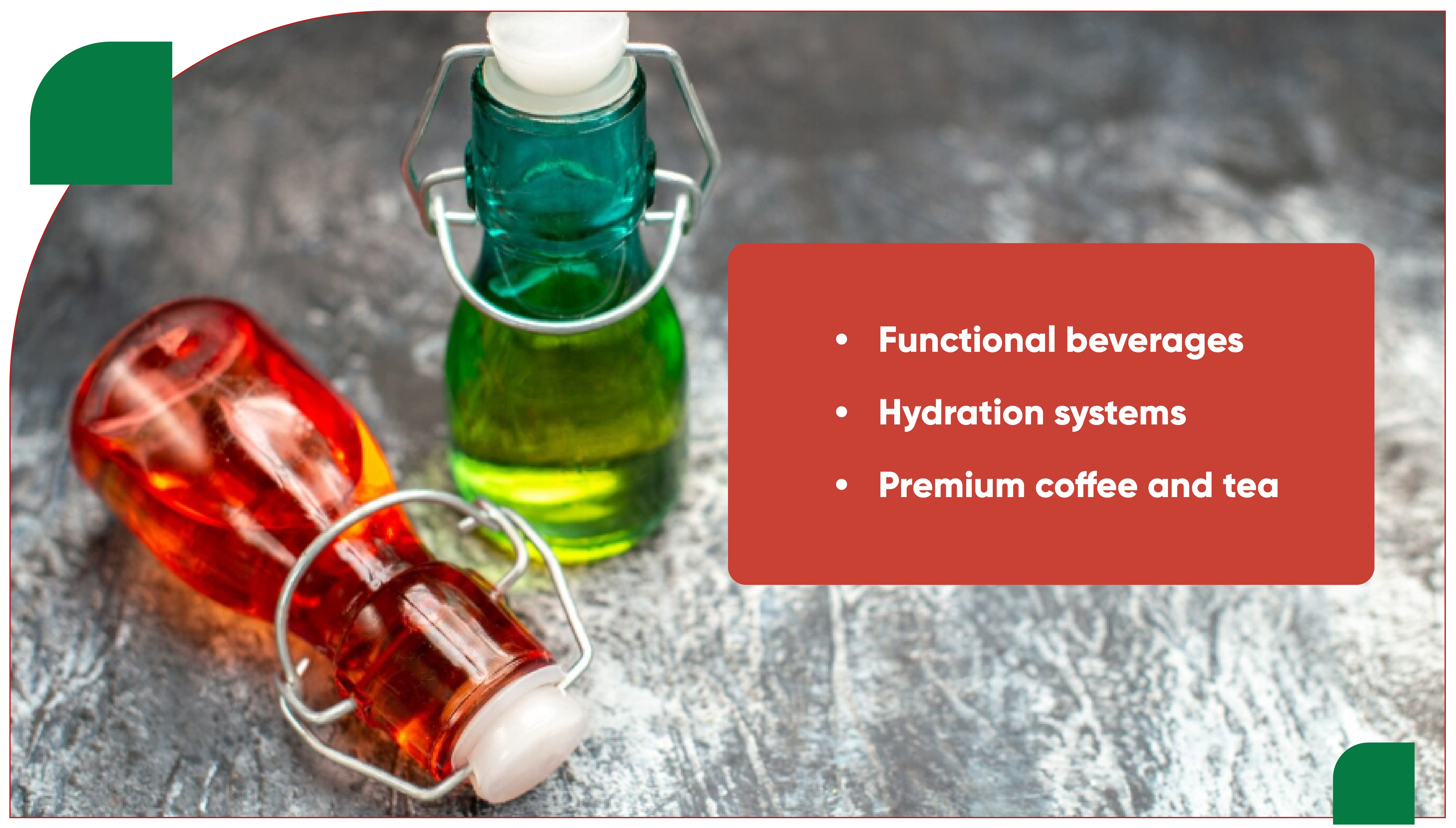
For decades, beverage growth relied on expanding carbonated soft drink portfolios. However, modern consumer preferences have reshaped the category. Today’s beverage market is driven by wellness-focused consumption habits, convenience formats, and premiumization strategies.
Four major innovation pillars now dominate the beverage landscape:
Functional Beverages – Functional beverages including prebiotic sodas, protein RTDs, and adaptogen teas.
Hydration Systems – Hydration systems featuring electrolyte drinks, enhanced water, and sports recovery beverages.
Premium RTD Coffee & Tea – Premium coffee and tea, especially RTD formats designed for on-the-go consumption.
Clean Energy Drinks – Clean energy drinks with lower sugar and additional metabolic or cognitive claims.
Large beverage companies are strategically positioning their portfolios around these trends while maintaining strong distribution ecosystems. Instead of flooding shelves with new brands, they renovate existing flagship products with improved ingredients, reduced sugar content, or functional benefits.
To support these decisions, organizations rely heavily on CPG Beverage Company Competitive Intelligence, which allows them to track how competing brands adjust pricing, product assortment, and promotional strategies across different markets.
| Company | 2024 Revenue | Core Beverage Segments | Key Innovation Focus | Strategic Growth Signal |
|---|---|---|---|---|
| The Coca-Cola Company | $47.1B | Carbonated soft drinks, water, sports drinks, RTD coffee | Zero-sugar product renovation | Expanding hydration and low-sugar beverages globally |
| PepsiCo | ~$92B (total revenue) | Soft drinks, sports hydration, flavored water | Functional beverages and prebiotic soda | Embedding health cues in mainstream beverages |
| Nestlé | CHF 91.4B | Coffee, powdered beverages, RTD coffee | Coffee format expansion | Cold coffee adoption across emerging markets |
| Keurig Dr Pepper | $15.4B | Soft drinks, juice drinks, coffee systems | Dual ecosystem innovation | At-home coffee systems plus retail beverages |
| Red Bull | €12.196B | Energy drinks | Limited edition flavor rotations | Strong brand discipline and seasonal innovation |
| Monster Beverage | ~$7.49B | Energy drinks, performance beverages | Multi-brand segmentation | Expanding into fitness-oriented energy products |
| Danone | €27.376B | Bottled water and hydration | Premium water positioning | Sustainability-driven packaging innovation |
| Suntory Beverage & Food | €10.170B | Tea, soft drinks, coffee | Regional beverage customization | Strengthening Asian beverage leadership |
| Starbucks (Packaged Beverages) | $36.2B | RTD coffee, creamers | Café-to-retail product expansion | Converting café experiences into grocery sales |
| JDE Peet’s | €8.8B | Coffee pods, instant coffee, RTD beverages | Coffee format innovation | Convenience-focused product development |
Innovation success does not depend solely on product development. Pricing strategies, retailer partnerships, and promotional visibility significantly influence market share. Beverage companies must continuously monitor shelf prices, bundle offers, and discount cycles across both physical and digital retail environments.
This is where CPG Beverage Pricing And Promotion Monitoring becomes essential. By analyzing retail price fluctuations, seasonal promotions, and product placement, beverage brands can understand how competitors position products within grocery ecosystems.
Digital commerce platforms have accelerated this need. Grocery delivery applications and online supermarkets now represent a growing share of beverage purchases. As a result, companies rely on Web Scraping Grocery Data to track real-time product availability, flavor assortment, and pricing dynamics.
The insights gathered from digital shelves allow brands to adjust pricing strategies quickly and optimize product positioning before launching nationwide campaigns.
| Data Category | Example Metrics Tracked | Business Insight |
|---|---|---|
| Product Listings | SKU availability, flavor variants, package size | Identifies portfolio expansion trends |
| Price Tracking | Daily shelf price, discount percentage, bundle offers | Evaluates competitive pricing strategies |
| Promotional Campaigns | Buy-one-get-one offers, seasonal promotions | Measures marketing intensity across brands |
| Consumer Ratings | Product reviews, sentiment analysis | Detects consumer response to new launches |
| Distribution Coverage | Number of retail outlets or delivery zones | Indicates geographic expansion patterns |
| Ingredient Claims | Functional claims like probiotic, low sugar, adaptogen | Tracks emerging health-focused beverage trends |
| Packaging Formats | Can size, bottle materials, multipacks | Monitors sustainability and convenience innovations |
| Retail Platform Data | Listings across grocery apps and e-commerce stores | Assesses omnichannel performance |
Advanced analytics platforms also integrate information collected through a Grocery Delivery Extraction API, which enables automated retrieval of product and pricing data from online grocery marketplaces.
The resulting datasets feed directly into internal analytics systems such as a Grocery Price Dashboard, allowing analysts to visualize pricing shifts and competitor activity in real time.
Modern beverage companies rely heavily on data analytics to minimize risk when launching new products. Instead of guessing which flavors or formats will succeed, companies analyze large volumes of digital shelf data and consumer sentiment signals.
This intelligence enables companies to validate three key factors before expanding production:
Organizations that combine innovation with data-driven validation significantly reduce product failure rates.
Additionally, digital intelligence helps identify regional demand variations. A flavor trending in Asian markets may require reformulation before entering North American or European grocery channels. Data collection tools help companies evaluate these regional dynamics before investing in global distribution.
The next phase of beverage innovation will likely be defined by hyper-personalized nutrition and advanced functional ingredients. Companies are already exploring beverage formulations tailored to metabolic health, hydration efficiency, and cognitive performance.
Emerging technologies in health monitoring, wearable devices, and biometric analytics may eventually enable personalized beverage recommendations based on individual dietary needs.
At the same time, sustainability will continue influencing packaging design, ingredient sourcing, and logistics strategies. Consumers increasingly expect beverage brands to demonstrate environmental responsibility through recyclable packaging and reduced carbon footprints.
The beverage industry in 2026 is defined by data-driven innovation, functional product development, and disciplined portfolio management. Global beverage leaders are focusing less on SKU proliferation and more on measurable consumer demand signals.
Companies that leverage advanced analytics and digital shelf intelligence gain a significant competitive advantage. Real-time monitoring of product launches, pricing dynamics, and consumer behavior enables faster decision-making and more effective product development strategies.
In this environment, integrated intelligence platforms powered by Grocery Price Tracking Dashboard systems allow brands to monitor pricing shifts and promotional activity across retail channels.
Strategic insights generated through Grocery Data Intelligence help organizations understand evolving beverage consumption patterns across markets and demographics.
Finally, comprehensive Grocery Datasets enable analysts to connect product innovation, pricing strategies, and consumer demand signals into a single analytical framework.
As the beverage market continues evolving toward functional nutrition, premium experiences, and personalized consumption, companies that combine innovation with real-time market intelligence will be best positioned to capture the next wave of growth in the global CPG beverage industry.
Are you in need of high-class scraping services? Food Data Scrape should be your first point of call. We are undoubtedly the best in Food Data Aggregator and Mobile Grocery App Scraping service and we render impeccable data insights and analytics for strategic decision-making. With a legacy of excellence as our backbone, we help companies become data-driven, fueling their development. Please take advantage of our tailored solutions that will add value to your business. Contact us today to unlock the value of your data.