The Client
The client was a fast-growing cloud kitchen brand based in Hyderabad, managing eight virtual restaurant concepts across Swiggy and Zomato. Despite strong demand, the founder struggled to understand why some outlets outperformed others. That’s when they approached us for Restaurant Analytics Using Swiggy Zomato API Data. Their goal was clear: move beyond guesswork and build decisions on real-time numbers. We helped them Extract Live Swiggy Zomato Order And Menu Data Using APIs, capturing item-level sales, pricing changes, customer ratings, and peak-hour order volumes. For the first time, they could see which dishes drove repeat orders and which ones quietly drained profits. By integrating insights powered through Zomato Food Delivery Scraping API, the brand refined menu pricing, removed low-performing items, and optimized delivery timing. Within two quarters, average order value increased by 22%, and operational planning became data-driven instead of reactive.
Key Challenges
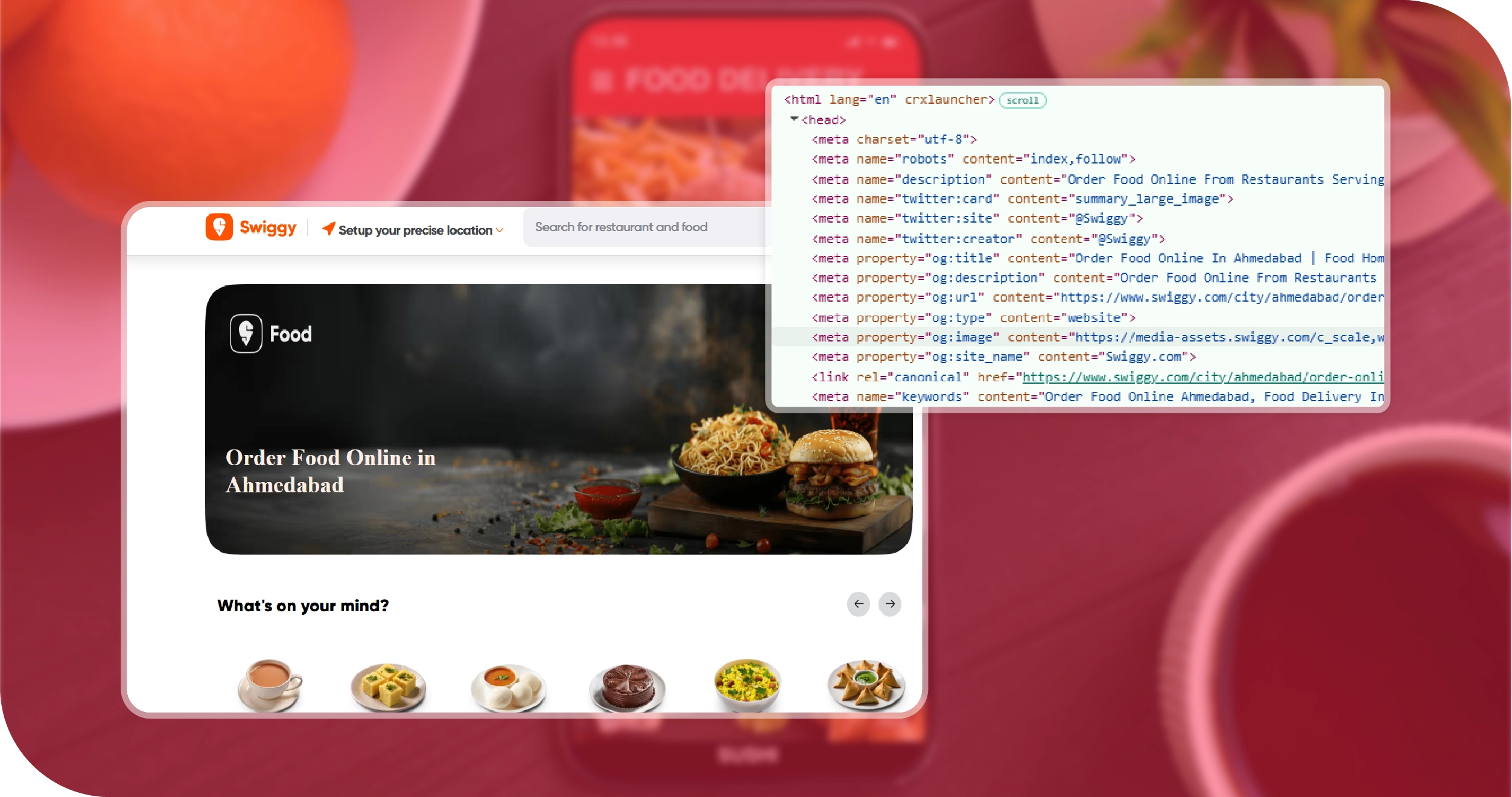
- Inconsistent Order Patterns: The client struggled to predict demand fluctuations across multiple outlets. Without reliable data, inventory often ran out or was overstocked. Using Swiggy Food Delivery Scraping API helped them capture accurate order trends for better forecasting and planning.
- Difficulty Tracking Menu Changes: Restaurants frequently updated menus, prices, and promotions. Manual tracking was error-prone and slow, impacting revenue decisions. Leveraging Web Scraping Food Delivery Data enabled the client to monitor all menu updates in real time across Swiggy and Zomato platforms.
- Competitive Benchmarking Challenges: Understanding competitor pricing and popular dishes was nearly impossible manually. They needed actionable insights to stay ahead. By using tools to Extract Restaurant Menu Data, the client could analyze competitors, optimize their offerings, and enhance pricing strategies effectively.
Key Solutions
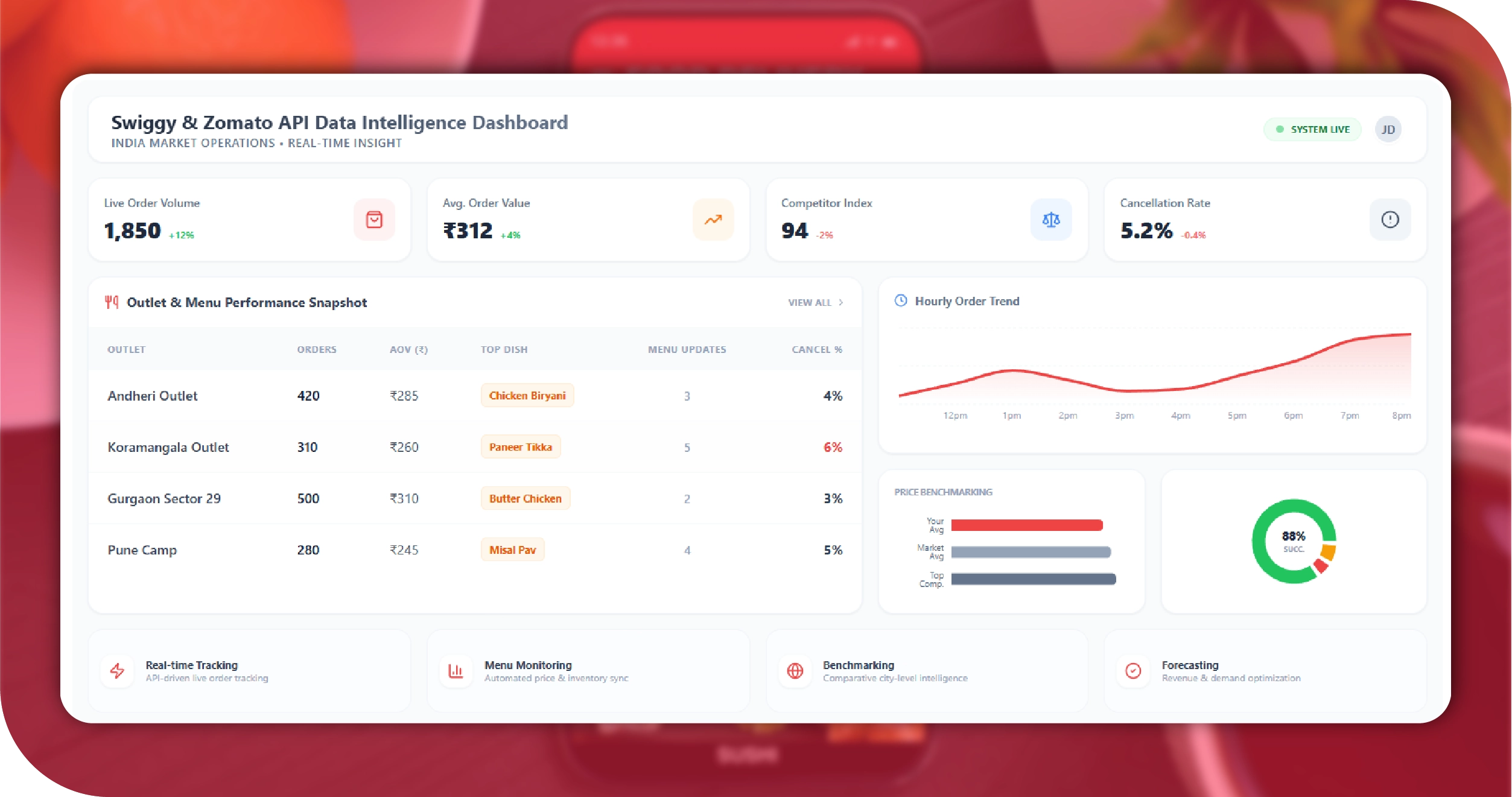
- Real-Time API Integration & Automation: We implemented a structured Food Delivery Scraping API pipeline that automatically collected live order volumes, menu prices, ratings, and delivery timelines. This eliminated manual tracking, reduced reporting errors, and provided hourly performance dashboards for smarter operational decisions across all outlets.
- Centralized Analytics Dashboard: Our team built a unified analytics system powered by Restaurant Data Intelligence, combining Swiggy and Zomato data into one interactive dashboard. The client could compare outlets, identify top-performing dishes, monitor cancellations, and adjust pricing strategies based on real-time metrics.
- Competitive & Demand Insights Engine: Using advanced Food delivery Intelligence, we created automated competitor benchmarking reports. The solution tracked rival menu updates, discount strategies, and peak-hour pricing shifts, helping the client optimize promotions and increase average order value through data-backed decisions.
Sample Performance Dashboard Data (30-Day Snapshot)
| Outlet Name | City | Total Orders | Avg Order Value (₹) | Revenue (₹) | Top-Selling Item | Item Orders | Avg Rating | Cancellation Rate (%) | Peak Order Hour | Competitor Avg Price (₹) | Price Difference (%) |
|---|---|---|---|---|---|---|---|---|---|---|---|
| Biryani Hub | Hyderabad | 4,820 | 342 | 16,48,440 | Chicken Biryani | 1,960 | 4.3 | 3.2 | 8 PM | 360 | -5.0 |
| Spice Route | Hyderabad | 3,950 | 298 | 11,77,100 | Paneer Tikka | 1,240 | 4.1 | 4.5 | 9 PM | 315 | -5.4 |
| Urban Tandoor | Bengaluru | 5,410 | 365 | 19,74,650 | Butter Chicken | 2,110 | 4.4 | 2.8 | 8 PM | 389 | -6.2 |
| Curry Express | Bengaluru | 3,280 | 276 | 9,05,280 | Veg Thali | 980 | 4.0 | 5.1 | 1 PM | 290 | -4.8 |
| Dilli Zaika | Pune | 2,940 | 310 | 9,11,400 | Dal Makhani | 870 | 4.2 | 3.9 | 9 PM | 330 | -6.0 |
| Royal Kitchens | Pune | 4,110 | 355 | 14,59,050 | Mutton Biryani | 1,540 | 4.5 | 2.6 | 8 PM | 375 | -5.3 |
| Flavour Box | Chennai | 3,620 | 289 | 10,46,180 | Chicken 65 | 1,320 | 4.1 | 4.2 | 7 PM | 305 | -5.2 |
Methodologies Used
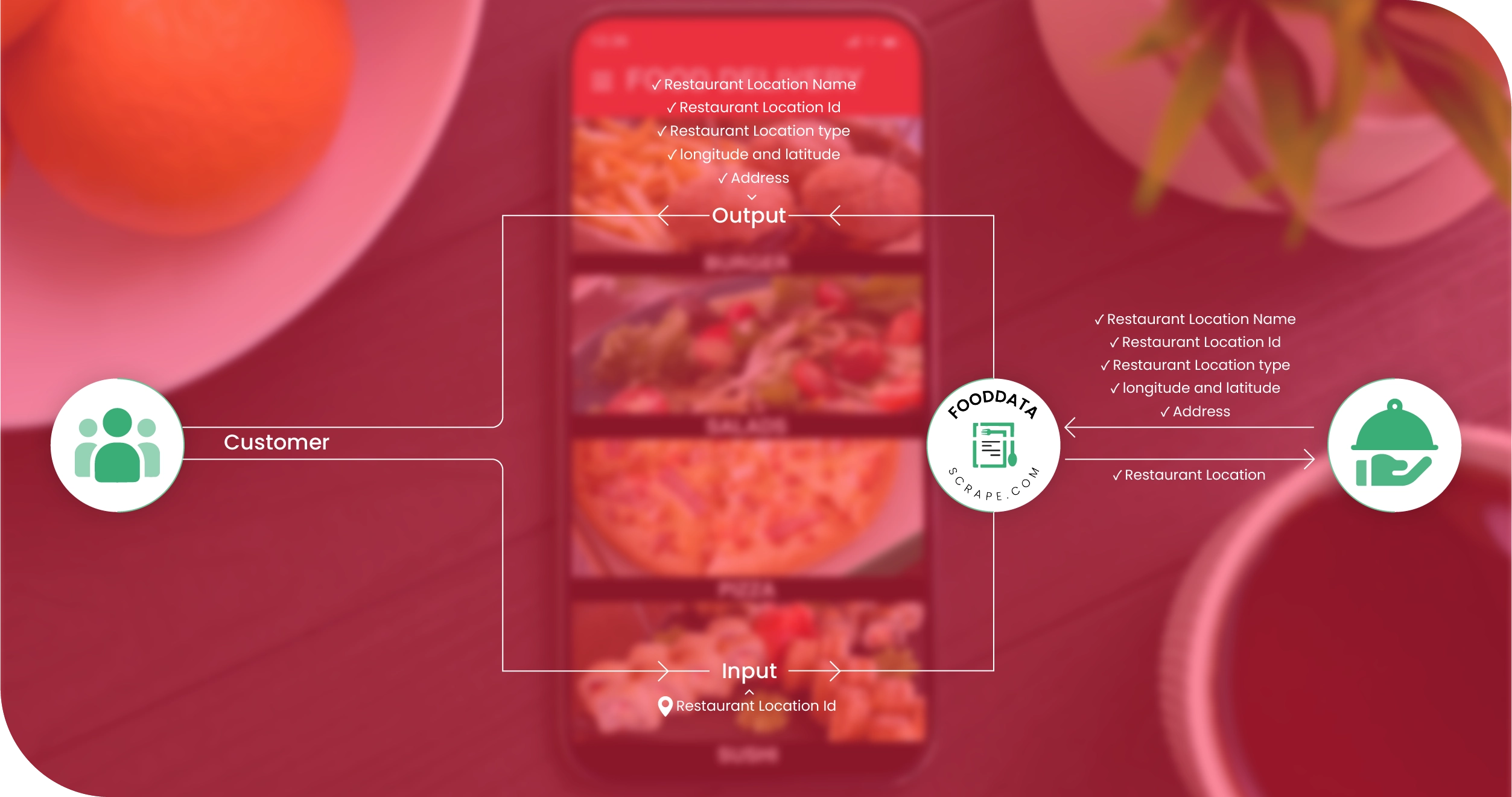
- API-Based Structured Data Collection: We designed a secure integration framework to collect structured order, menu, pricing, and rating data directly from platform endpoints. The system ensured standardized formatting, timestamp tagging, and validation checks to maintain high data accuracy and consistency across outlets.
- Automated Data Cleaning & Normalization: Raw datasets were processed through automated cleaning pipelines to remove duplicates, fix inconsistencies, standardize item names, and align pricing formats. This ensured comparable metrics across cities, outlets, and time periods for meaningful performance evaluation.
- Real-Time Data Synchronization: We implemented scheduled refresh cycles and near real-time synchronization to capture hourly order changes, price updates, and availability shifts. This allowed dynamic tracking of demand spikes, peak-hour sales, and sudden promotional impacts without delays.
- Competitive Benchmark Mapping: Our methodology included structured competitor mapping, aligning similar menu categories, price brackets, and cuisine segments. This enabled accurate side-by-side comparison of offerings, discounts, and customer ratings to identify positioning gaps and optimization opportunities.
- Advanced Analytics & Reporting Framework: We built interactive dashboards with performance metrics, trend analysis, forecasting models, and outlet-level comparisons. Visual reporting simplified decision-making for operations teams, helping them translate raw numbers into strategic actions for pricing, marketing, and inventory planning.
Advantages of Collecting Data Using Food Data Scrape
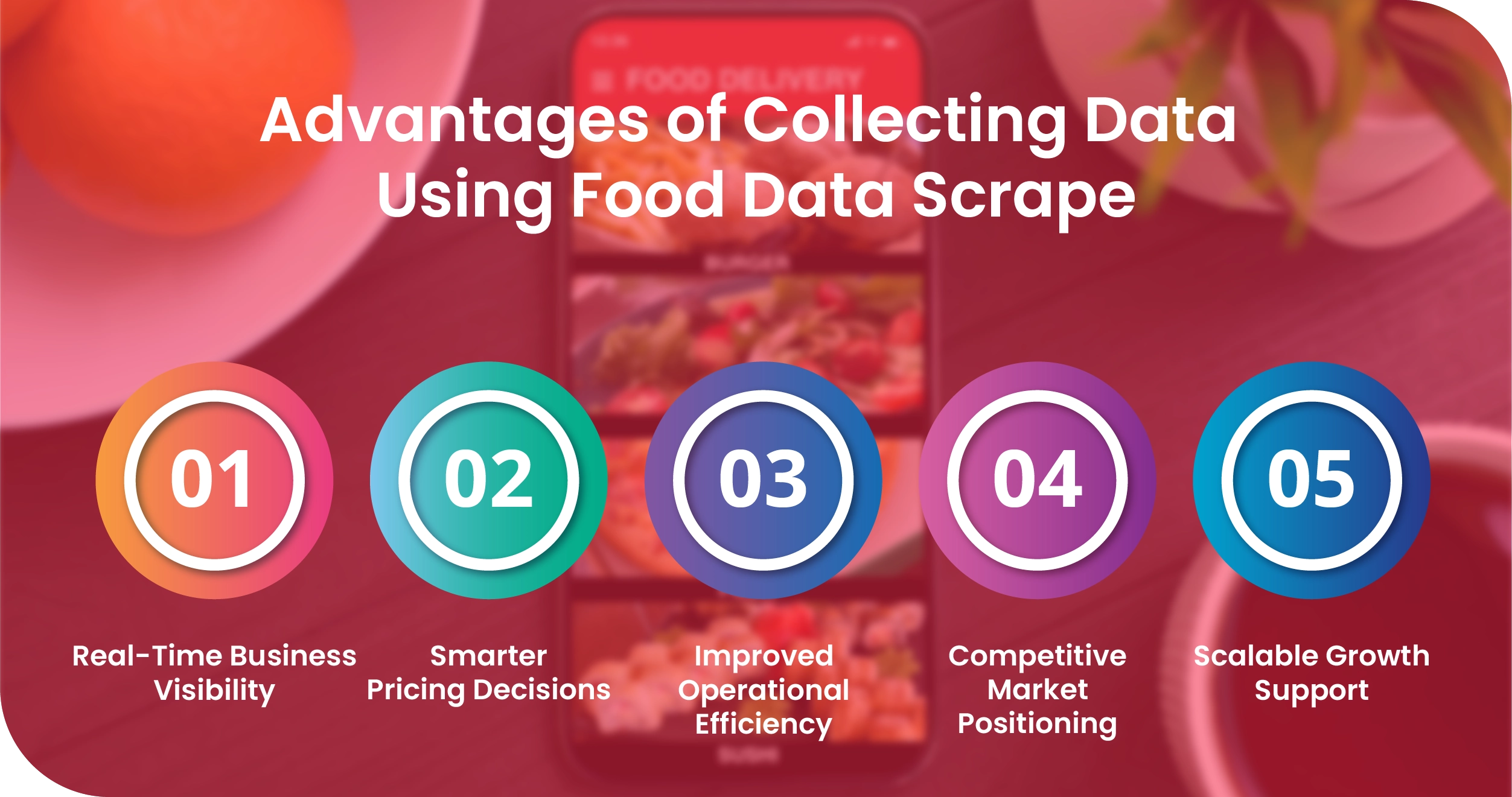
- Real-Time Business Visibility: Our solutions provide continuous access to live operational data, helping restaurants monitor orders, pricing shifts, and customer behavior instantly. This real-time visibility allows faster decision-making, reduces uncertainty, and ensures managers respond proactively to market fluctuations and demand changes.
- Smarter Pricing Decisions: With structured performance insights, businesses can identify profitable items, underperforming dishes, and optimal price points. This enables dynamic pricing strategies that improve margins, increase average order value, and remain competitive without relying on guesswork or outdated reports.
- Improved Operational Efficiency: Automated data pipelines eliminate manual tracking and spreadsheet dependency. Teams save time on reporting, reduce human errors, and focus more on strategy, marketing, and customer experience rather than spending hours compiling fragmented platform data.
- Competitive Market Positioning: Access to comparative performance metrics allows brands to understand competitor trends, promotional timing, and customer preferences. This intelligence supports stronger positioning, better campaign planning, and informed menu adjustments that drive sustained growth.
- Scalable Growth Support: Our data systems are designed to grow alongside expanding restaurant networks. Whether adding new outlets or launching virtual brands, the analytics framework scales seamlessly, ensuring consistent insights, performance tracking, and strategic alignment across all locations.
Client’s Testimonial
"Partnering with this team has been a game-changer for our cloud kitchen operations. Their data-driven approach provided us with clear insights into order patterns, menu performance, and competitor trends. The dashboards they built are intuitive, enabling our managers to make quick, informed decisions that directly improved revenue and reduced wastage. We could finally anticipate demand spikes and adjust pricing dynamically, which increased our average order value significantly. Their support and expertise in integrating real-time data collection into our workflow exceeded expectations. I highly recommend their services to any food business aiming for growth and operational excellence."
Co-Founder & CEO
Final Outcome
The final outcome of our engagement transformed the client’s operations into a fully data-driven system. With the implementation of a Food Price Dashboard, managers could visualize real-time order trends, menu performance, and pricing insights across all outlets. This empowered them to make timely adjustments, optimize inventory, and dynamically set prices based on demand fluctuations. Additionally, the client gained access to structured Food Datasets that captured historical and live sales, customer ratings, and competitor pricing. These datasets enabled predictive analysis, trend forecasting, and actionable intelligence for menu planning. Within just a few months, the client reported an 18% increase in overall revenue, improved operational efficiency, and enhanced customer satisfaction, demonstrating the measurable impact of data-driven decision-making in the food delivery space.