
This report analyzes Valentine’s Day 2026 as a high-impact, short-duration demand cycle for the global liquor industry, driven by premium, experience-led consumption. Unlike volume-heavy festivals, Valentine’s Day purchasing is intentional, emotionally influenced, and highly sensitive to presentation, availability, and timing. Using scraped sales, pricing, availability, and promotional data from bars, online liquor stores, and delivery platforms, the report uncovers how demand builds across Valentine’s Week rather than peaking on a single day. It highlights category-specific growth patterns, controlled premium pricing behavior, and the growing importance of bundled and experience-enhancing offers over deep discounts. Channel-level insights reveal distinct roles played by bars, e-commerce platforms, and delivery apps in capturing different consumer intents. The report also emphasizes SKU-level attributes, inventory stress signals, and the strategic value of aggregated liquor intelligence. Overall, it positions Valentine’s Day 2026 as a critical testing ground for pricing precision, promotion design, and data-driven growth strategies.
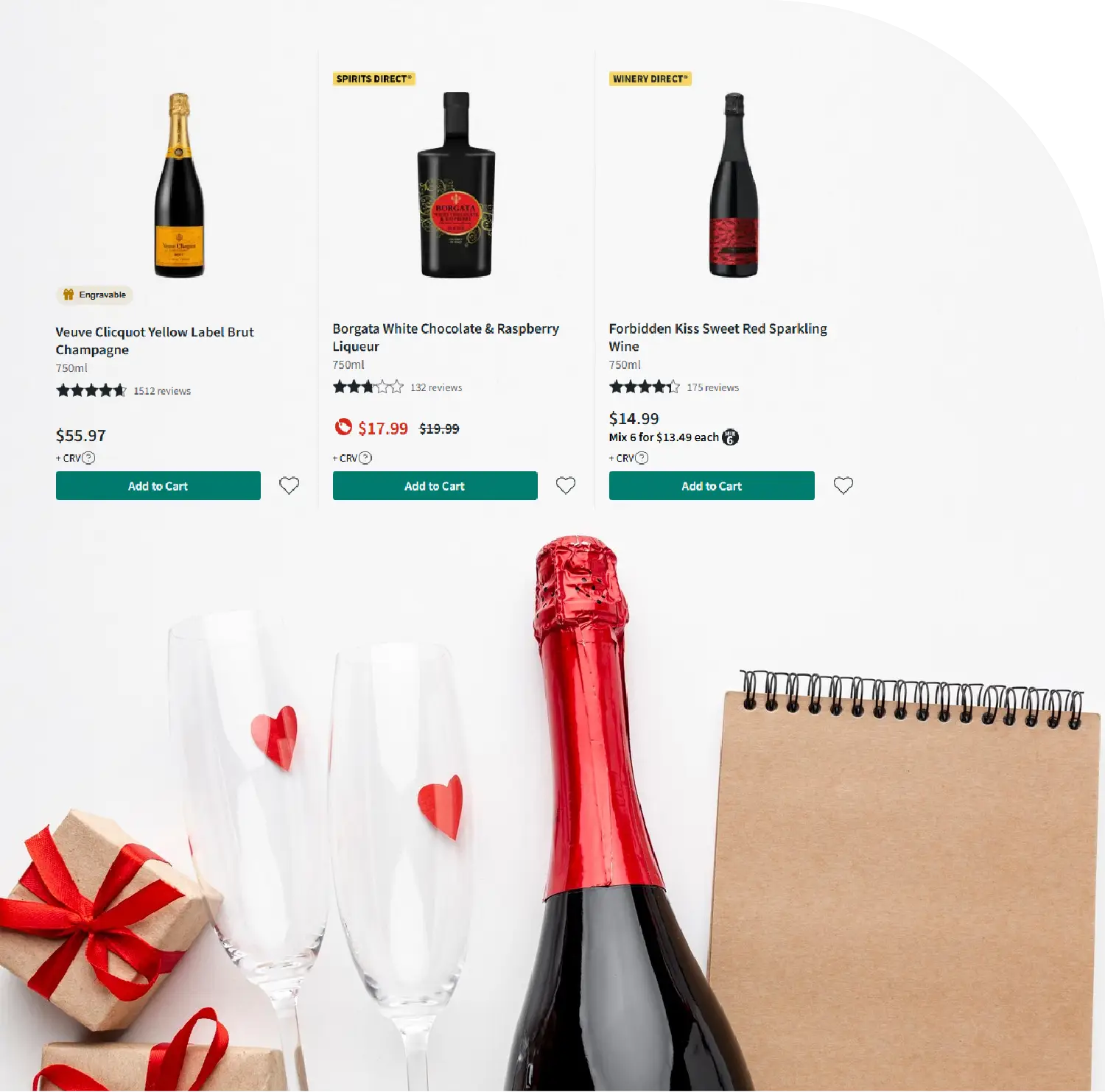

Premium Preference Champagne, rosé, and premium spirits dominate Valentine’s Week as consumers prioritize gifting appeal and experience over volume.
Extended Demand Window Sales momentum builds days before February 14, turning Valentine’s Day into a multi-day revenue cycle.
Promotion Effectiveness Bundles and value-added offers outperform flat discounts, driving higher conversions while protecting margins.
Channel Behavior Bars lead experiential spending, while online stores and delivery apps capture planned and convenience-driven purchases.
Real-Time Intelligence Live pricing and availability insights help businesses respond faster to demand spikes and stockout risks.

Valentine’s Day has steadily evolved into one of the most commercially influential short-duration events for the global liquor market. Unlike festivals that emphasize bulk consumption, Valentine’s Day is driven by intentional, experience-focused purchasing behavior. Consumers are not simply buying alcohol; they are curating moments—romantic dinners, intimate celebrations, premium gifting, and social experiences.
This shift makes data visibility critical. Valentine’s Day Liquor Data Scraping enables liquor brands, retailers, bars, and delivery platforms to capture real-time insights into how pricing, availability, and offers shift during one of the most emotionally driven purchasing windows of the year. Static sales reports fail to capture these rapid changes, especially when pricing strategies differ by city, channel, and product category.
As digital alcohol commerce expands further in 2026, Liquor Sales Data Extraction for Valentine’s Day 2026 becomes essential for identifying which products see accelerated demand, which price points convert best, and how promotional strategies evolve across Valentine’s Week. Businesses that actively Scrape Liquor Discounts & Offers for Valentine’s Day gain a competitive advantage by reacting to market signals as they occur, rather than after the event concludes.
Valentine’s Day liquor demand is structurally different from other seasonal events. Scraping Sales & Offer Data from Bars and Online Stores consistently show three defining characteristics:
These characteristics make Valentine’s Day Alcohol Sales Analytics a high-value exercise for understanding premium consumer behavior.
Scraped Valentine’s Day 2026 Liquor Demand Insights from bars, online liquor stores, and delivery platforms show clear category-level demand patterns during Valentine’s Week.
| Liquor Category | Demand Growth | Consumer Motivation |
|---|---|---|
| Sparkling Wine & Champagne | 40–45% | Romantic association, gifting |
| Rosé Wine | 32–36% | Aesthetic appeal, social sharing |
| Flavored Vodka & Gin | 25–30% | Home cocktail creation |
| Cream & Dessert Liqueurs | 28–33% | Dessert pairing |
| Ready-to-Drink Cocktails | 35–42% | Convenience and spontaneity |
This data highlights a consistent preference for low-effort, high-experience alcohol formats, particularly those that photograph well and feel occasion-specific.
Pricing during Valentine’s Day follows a more nuanced approach compared to other retail events. Instead of deep discounting, sellers focus on protecting brand value while enhancing perceived benefits.
Valentine’s Day Liquor Pricing & Offer Tracking reveals that premium products often experience controlled price increases, while mid-range categories rely on bundled value propositions rather than outright discounts.
| Product Segment | Typical Price Movement | Offer Strategy |
|---|---|---|
| Champagne | +8–12% | Premium anchoring |
| Rosé Wine | +5–7% | Bundle pricing |
| Flavored Spirits | Stable | Complimentary mixers |
| RTD Cocktails | −6–10% | Multi-pack incentives |
This pricing behavior reflects a deliberate attempt to maintain margins while still appealing to Valentine’s-specific demand drivers.
Valentine’s Day liquor consumption varies significantly by channel, reflecting different consumer motivations.
| Channel | Primary Consumer Intent | Commercial Implication |
|---|---|---|
| Bars & Lounges | Experiential dining | High-margin cocktails |
| Online Liquor Stores | Planned gifting | Premium bottle sales |
| Alcohol Delivery Apps | Convenience | Fast-moving SKUs |
| Restaurants | Upselling | Cocktail pairing |
Bars benefit from higher per-unit margins, while online platforms capture a larger share of pre-planned purchases.
Data clearly indicates that Valentine’s Day has expanded into a week-long commercial event. Demand typically begins rising 5–7 days before February 14 and peaks on the evening of Valentine’s Day.
Using method to Extract Valentine’s Day Alcohol Offer Data, several patterns emerge:
Businesses that recognize this extended demand window outperform those focusing only on a single-day spike.
Not all promotions perform equally during Valentine’s Day. Scraped offer data reveals that experience-enhancing promotions outperform price-led discounts.
Valentine’s Week Alcohol Offers Scraping shows:
These findings suggest that emotional alignment matters more than price cuts during Valentine’s Day.
Product-level analysis reveals consistent traits among top-performing Valentine’s Day SKUs:
Discounting poorly presented products rarely compensates for lack of gifting appeal.
Availability scraping provides early warnings of inventory stress. During Valentine’s Week:
Retailers leveraging Liquor Price Data Scraping Services often adjust pricing dynamically when availability declines, preserving profitability.
Consolidated Alcohol and Liquor Datasets allow stakeholders to:
Valentine’s Day acts as a high-signal environment where consumer behavior is easier to decode through data.
Valentine’s Day 2026 represents more than a seasonal sales opportunity—it is a strategic testing ground for premium pricing, promotion design, and demand forecasting. Businesses that Scrape Alcohol Price Data gain real-time insight into how consumers respond to emotional and experiential cues.
When these insights are consolidated into a Liquor Price Tracking Dashboard, decision-makers can quickly identify pricing gaps, demand spikes, and competitive threats. Ultimately, sustained success during high-intent occasions depends on advanced Liquor Data Intelligence Services that transform raw market data into actionable commercial strategy.
Valentine’s Day is no longer just about celebration—it is about precision, timing, and intelligence-led growth.
Are you in need of high-class scraping services? Food Data Scrape should be your first point of call. We are undoubtedly the best in Food Data Aggregator and Mobile Grocery App Scraping service and we render impeccable data insights and analytics for strategic decision-making. With a legacy of excellence as our backbone, we help companies become data-driven, fueling their development. Please take advantage of our tailored solutions that will add value to your business. Contact us today to unlock the value of your data.