The Client
The client is a leading food analytics and market intelligence firm serving restaurant chains, cloud kitchens, and QSR brands across the Middle East. They specialize in competitive benchmarking, customer sentiment analysis, and performance optimization strategies. To strengthen their advisory capabilities, the client required large-scale, structured review intelligence from major delivery platforms operating in the UAE. To meet their analytical goals, they partnered with us to Scrape Restaurant Reviews from Talabat, enabling them to monitor ratings, customer feedback trends, and outlet-level performance indicators. They further aimed to Extract Restaurant Reviews from Deliveroo to compare cuisine categories, pricing sentiment, and delivery experience feedback across different emirates. Additionally, they relied on Web Scraping Restaurant Reviews from Keeta to capture emerging market insights and understand customer expectations in newly expanding areas. With unified, platform-level review datasets, the client now delivers data-driven recommendations that help restaurant brands improve service quality, boost ratings, and strengthen customer retention strategies.
Key Challenges
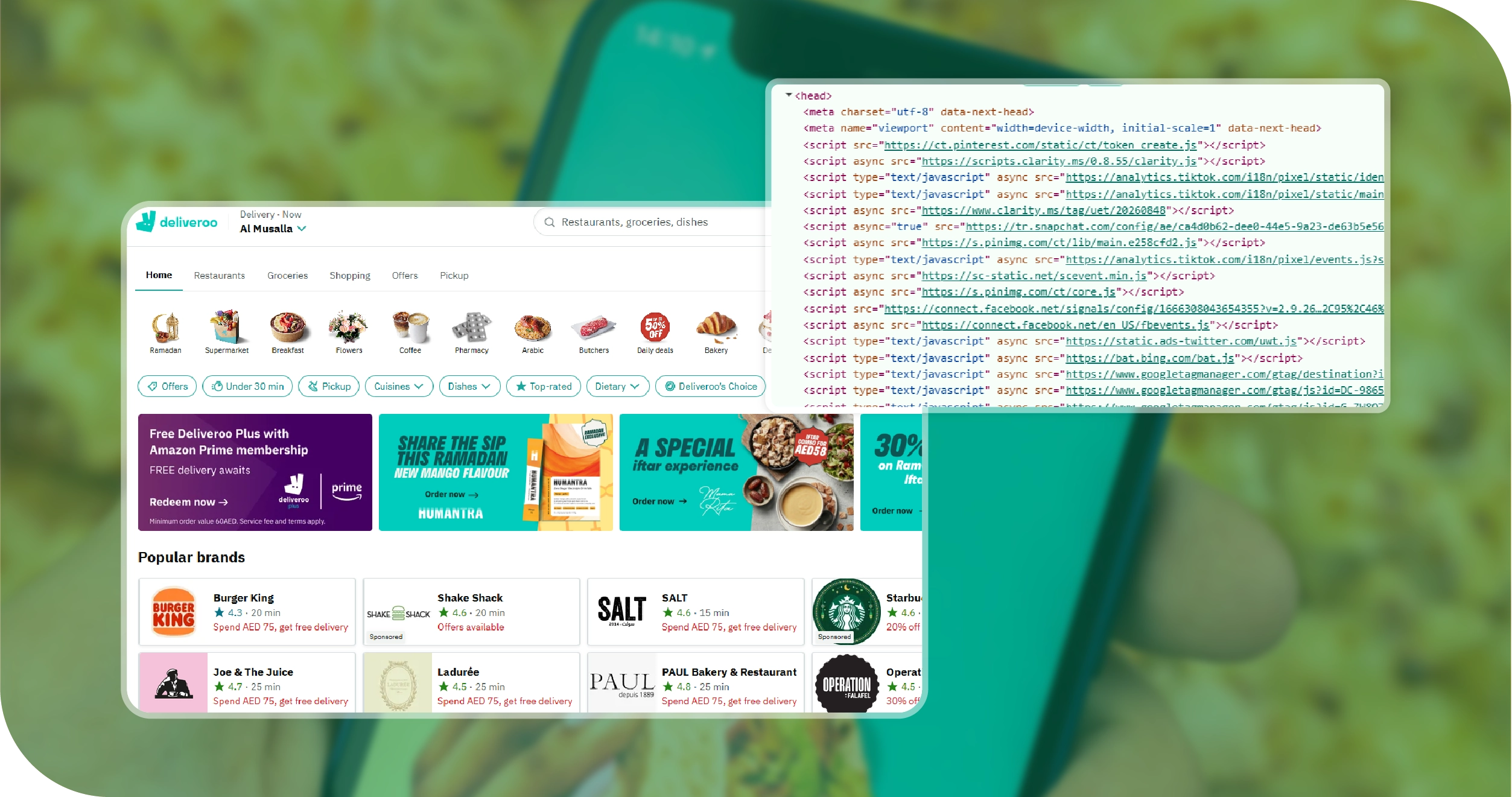
- Fragmented Platform Structures: Each delivery platform used different review formats, timestamp structures, and rating scales, making unified analysis difficult. The absence of standardized schemas forced the client to manually normalize datasets, even when attempting automation through the Talabat Food Delivery Scraping API, delaying insight generation and reporting accuracy.
- Inconsistent Time Metadata: Review timestamps were displayed differently across apps, with variations in time zones, relative time labels, and missing data fields. Even integrations built around the Deliveroo Food Delivery Scraping API struggled to consistently capture exact date-and-time granularity required for operational performance mapping.
- Dynamic Content Barriers: Frequent front-end updates, dynamic loading patterns, and anti-bot protections created instability in extraction workflows. Attempts to scale reliable pipelines using the Keeta Food Delivery Scraping API required constant monitoring, adaptive scraping logic, and technical refinements to maintain uninterrupted review intelligence delivery.
Key Solutions
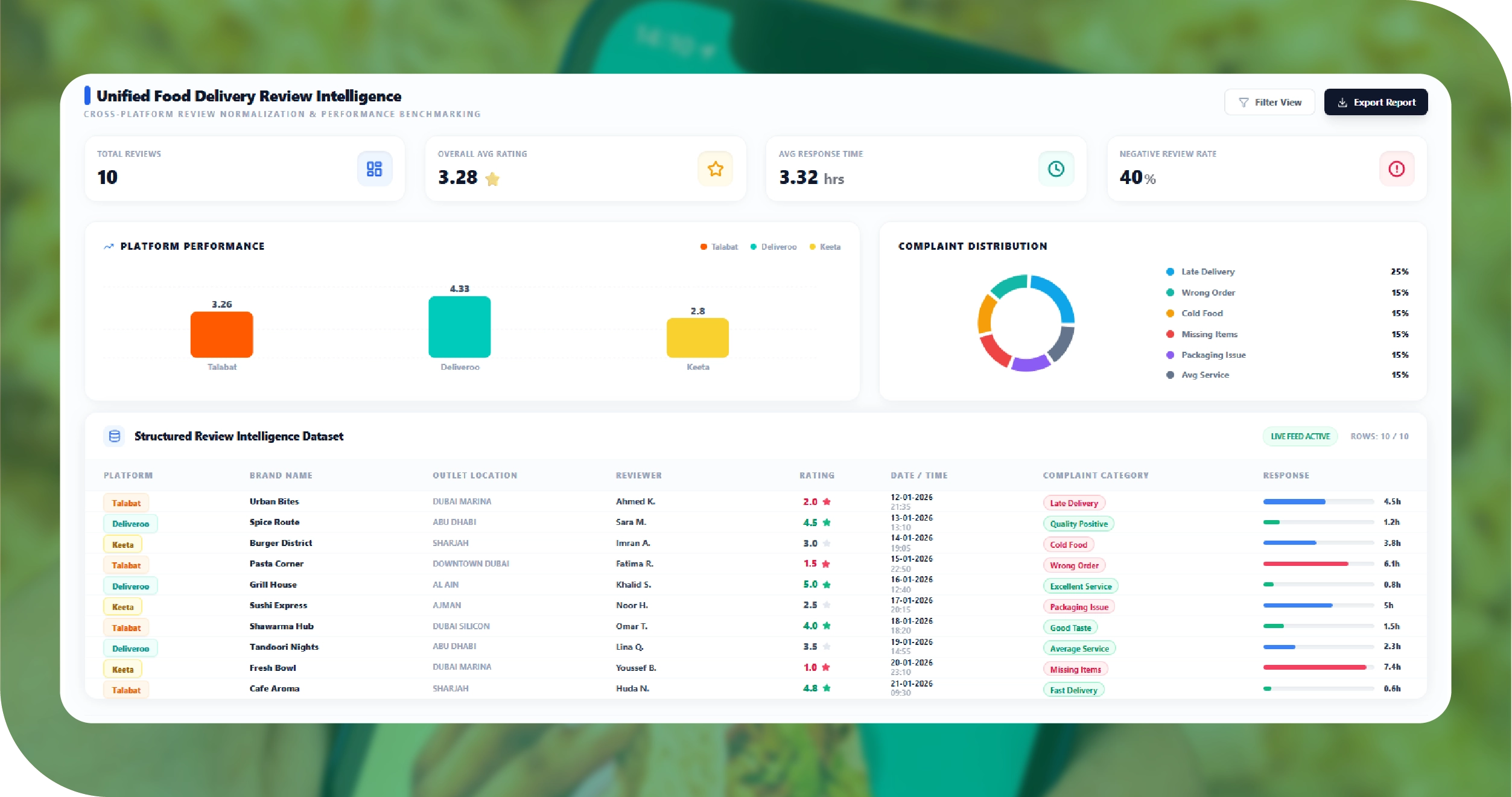
- Unified Review Architecture: We designed a centralized normalization engine that standardized ratings, timestamps, reviewer names, and outlet locations across platforms. Using advanced Web Scraping Food Delivery Data, we transformed fragmented structures into a unified schema, enabling seamless comparison, sentiment scoring, and location-wise performance benchmarking.
- Intelligent Time Mapping: Our solution introduced automated timezone alignment and timestamp enrichment logic to correct inconsistent date-time formats. By integrating contextual validation layers alongside Food Delivery Scraping API, we ensured accurate chronological tracking of reviews, allowing precise identification of peak complaint periods and service performance trends.
- Adaptive Extraction Framework: We implemented a resilient, self-adjusting extraction system capable of handling dynamic content shifts and structural updates. In addition to review data, we helped the client Extract Restaurant Menu Data for deeper correlation between menu changes and sentiment fluctuations across multiple UAE delivery platforms.
Sample Structured Review Intelligence Dataset
| Platform | Brand Name | Outlet Location | Reviewer Name | Rating | Review Date | Review Time | Sentiment Score | Complaint Category | Response Time (hrs) |
|---|---|---|---|---|---|---|---|---|---|
| Talabat | Urban Bites | Dubai Marina | Ahmed K. | 2.0 | 12-01-2026 | 21:35 | -0.62 | Late Delivery | 4.5 |
| Deliveroo | Spice Route | Abu Dhabi | Sara M. | 4.5 | 13-01-2026 | 13:10 | 0.78 | Quality Positive | 1.2 |
| Keeta | Burger District | Sharjah | Imran A. | 3.0 | 14-01-2026 | 19:05 | -0.10 | Cold Food | 3.8 |
| Talabat | Pasta Corner | Downtown Dubai | Fatima R. | 1.5 | 15-01-2026 | 22:50 | -0.85 | Wrong Order | 6.1 |
| Deliveroo | Grill House | Al Ain | Khalid S. | 5.0 | 16-01-2026 | 12:40 | 0.92 | Excellent Service | 0.8 |
| Keeta | Sushi Express | Ajman | Noor H. | 2.5 | 17-01-2026 | 20:15 | -0.48 | Packaging Issue | 5.0 |
| Talabat | Shawarma Hub | Dubai Silicon | Omar T. | 4.0 | 18-01-2026 | 18:20 | 0.60 | Good Taste | 1.5 |
| Deliveroo | Tandoori Nights | Abu Dhabi | Lina Q. | 3.5 | 19-01-2026 | 14:55 | 0.15 | Average Service | 2.3 |
| Keeta | Fresh Bowl | Dubai Marina | Youssef B. | 1.0 | 20-01-2026 | 23:10 | -0.95 | Missing Items | 7.4 |
| Talabat | Cafe Aroma | Sharjah | Huda N. | 4.8 | 21-01-2026 | 09:30 | 0.88 | Fast Delivery | 0.6 |
Methodologies Used
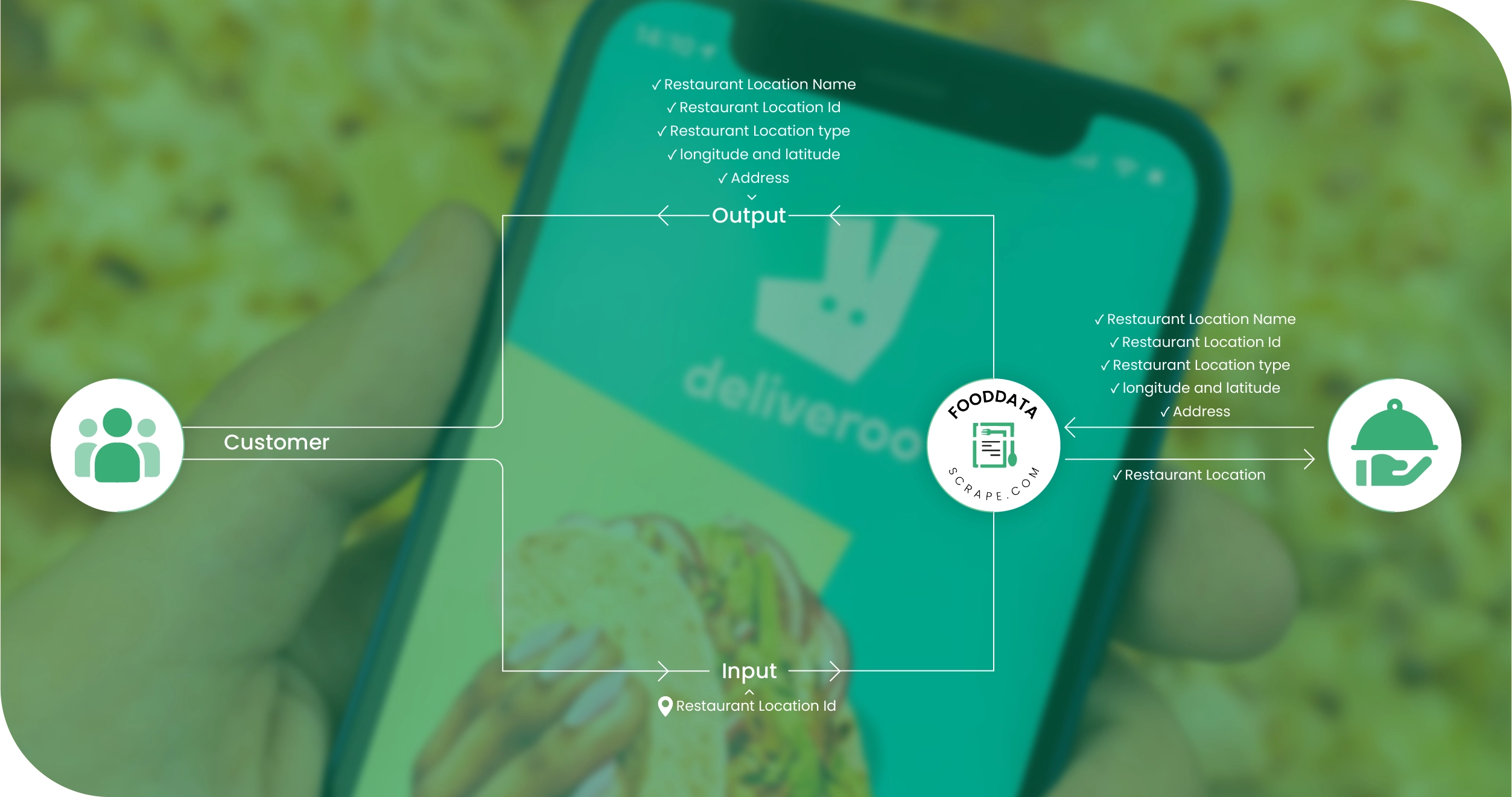
- Multi-Platform Data Mapping: We conducted deep structural analysis of each delivery platform to understand review layouts, pagination behavior, metadata patterns, and dynamic loading mechanisms. This allowed us to design a standardized extraction blueprint that ensured consistent data capture across brands, locations, and review categories.
- Automated Data Normalization: A custom transformation pipeline was implemented to standardize ratings, reviewer names, timestamps, and location identifiers. We aligned date-time formats, corrected inconsistencies, removed duplicates, and validated missing fields to create a clean, analytics-ready dataset for advanced reporting and benchmarking.
- Intelligent Timestamp Engineering: We developed a time-enrichment framework that converted relative timestamps into exact date-time formats. The system adjusted for timezone variations and synchronized review activity with operational hours, enabling accurate identification of peak complaint periods and service performance trends.
- Sentiment & Category Tagging: Natural language processing models were deployed to classify reviews by sentiment intensity and complaint category. This tagging system enabled granular analysis of recurring issues such as late delivery, food quality concerns, packaging defects, and customer service responsiveness.
- Continuous Monitoring Framework: We built a scalable monitoring system capable of detecting structural changes and maintaining extraction stability. Automated validation checks, performance alerts, and adaptive logic ensured uninterrupted data flow, long-term reliability, and consistent intelligence delivery for strategic decision-making.
Advantages of Collecting Data Using Food Data Scrape
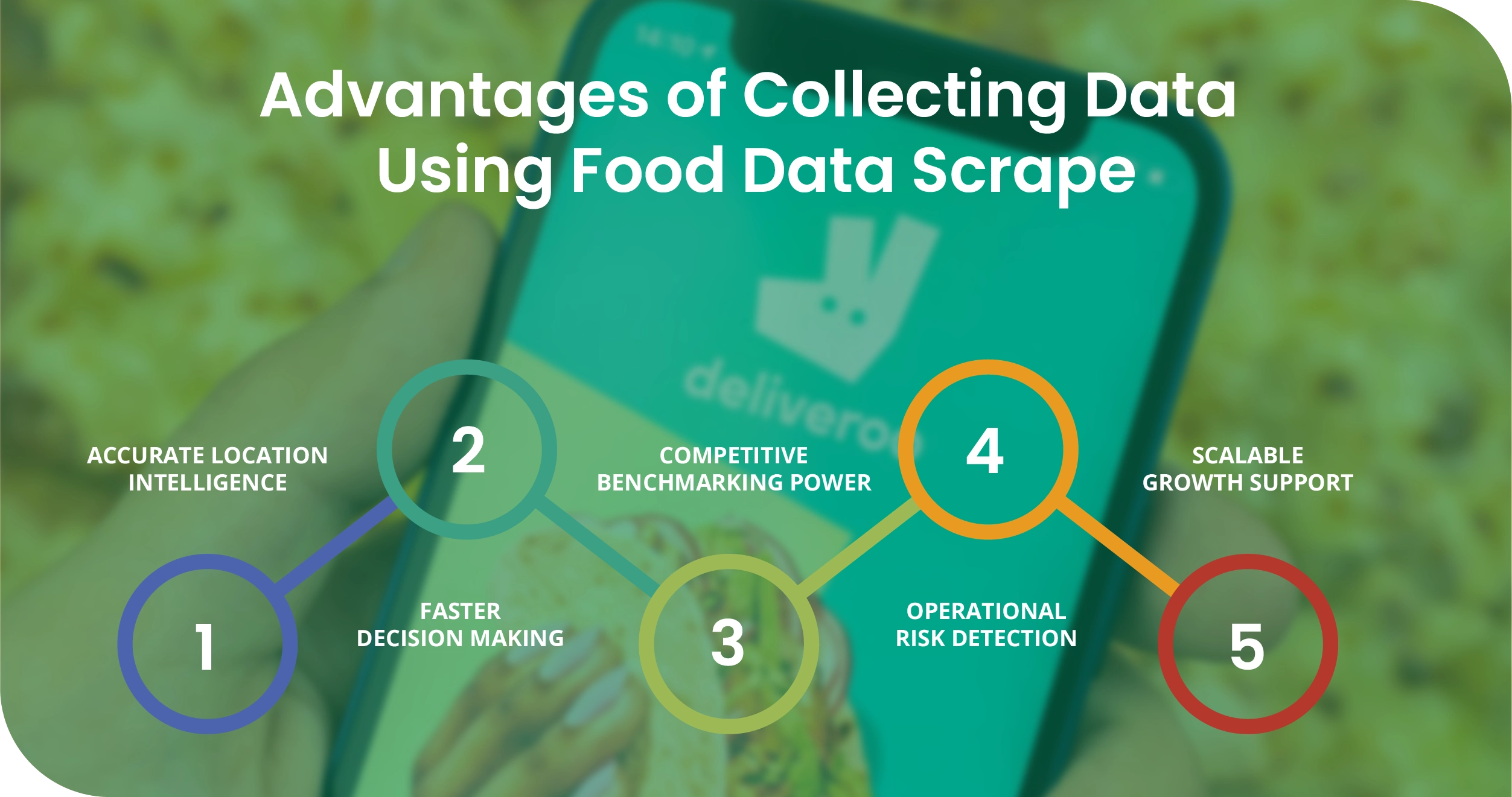
- Accurate Location Intelligence: Our services deliver precise outlet-level visibility, capturing brand names, geo-locations, and performance indicators in structured formats. This enables businesses to evaluate individual branch reputation, compare regional strengths, and identify underperforming zones that require operational improvements or targeted marketing interventions.
- Faster Decision Making: By transforming raw customer feedback into structured, analytics-ready datasets, we reduce manual research time significantly. Leadership teams gain immediate access to actionable insights, allowing quicker responses to negative trends, smarter pricing adjustments, and faster execution of competitive growth strategies.
- Competitive Benchmarking Power: We enable detailed side-by-side comparisons across multiple brands and locations. Businesses can monitor rating trends, sentiment shifts, and service patterns relative to competitors, helping them refine positioning, strengthen brand perception, and capitalize on market gaps more effectively.
- Operational Risk Detection: Our structured intelligence highlights recurring service failures such as delivery delays, incorrect orders, or packaging issues. Early detection of these risks helps management intervene proactively, optimize workflows, and protect customer satisfaction before minor concerns escalate into reputation damage.
- Scalable Growth Support: Our solutions are designed to scale alongside business expansion. Whether adding new outlets or entering new regions, companies receive consistent, reliable performance insights that support long-term planning, smarter investments, and sustainable brand growth across competitive markets.
Client’s Testimonial
“Partnering with this team transformed the way we analyze customer feedback across delivery platforms. Their structured, outlet-level datasets gave us unmatched visibility into ratings, timestamps, reviewer details, and location-based performance. What once required weeks of manual tracking is now available in a clean, unified dashboard. We can instantly identify service gaps, monitor sentiment trends, and benchmark competitors with confidence. Their technical precision, reliability, and proactive support have significantly improved our decision-making speed and strategic planning. This collaboration has become a critical pillar of our reputation management and market expansion strategy.”
Head of Business Intelligence
Final Outcome
The final outcome delivered measurable transformation in how the client monitored and optimized multi-brand performance across the UAE. Through structured review aggregation and outlet-level analytics, they gained deeper Restaurant Data Intelligence, enabling precise benchmarking of ratings, sentiment patterns, and operational bottlenecks. By consolidating cross-platform feedback into unified dashboards, the company strengthened its Food delivery Intelligence, identifying peak complaint hours, recurring service gaps, and high-performing locations with clarity. Integration with a dynamic Food Price Dashboard further allowed correlation between pricing adjustments and customer sentiment trends, improving revenue strategy and competitive positioning. The delivery of clean, structured Food Datasets empowered advanced analytics, automated reporting, and scalable monitoring frameworks, ultimately enhancing reputation management, accelerating decision-making, and supporting data-driven expansion into high-growth regional markets.