
This report analyzes Valentine’s Day 2026 as a high-impact seasonal opportunity for restaurants, cafés, bars, and food delivery platforms, where pricing, menu design, and bundling strategies play a decisive role in revenue performance. As Valentine’s Day evolves into a multi-day dining occasion, the report leverages large-scale scraped menu data to analyze real-time pricing shifts, fixed-menu adoption, bundle structures, and cuisine-level trends across dine-in and delivery channels. Insights highlight how restaurants apply premium pricing through curated experiences, limited-time menus, and romantic positioning, while delivery platforms focus on visually driven, value-led bundles. The analysis also reveals distinct differences between dine-in and delivery menu strategies, reflecting changing consumer expectations around convenience versus experience. By consolidating menu pricing, bundle composition, and promotional signals, the report demonstrates how scalable menu intelligence supports better pricing optimization, competitive benchmarking, demand forecasting, and campaign planning for Valentine’s Day 2026 and beyond.
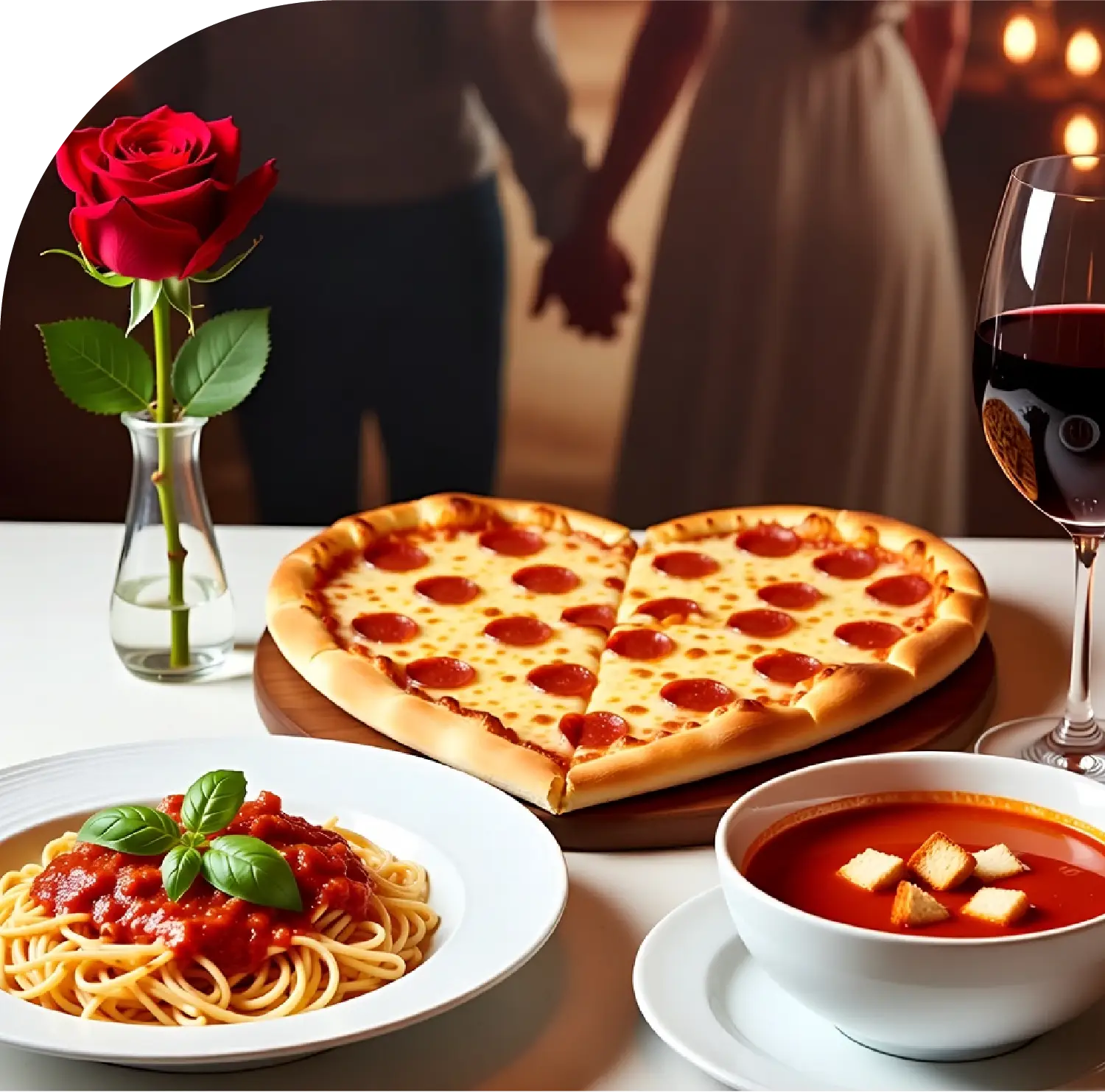
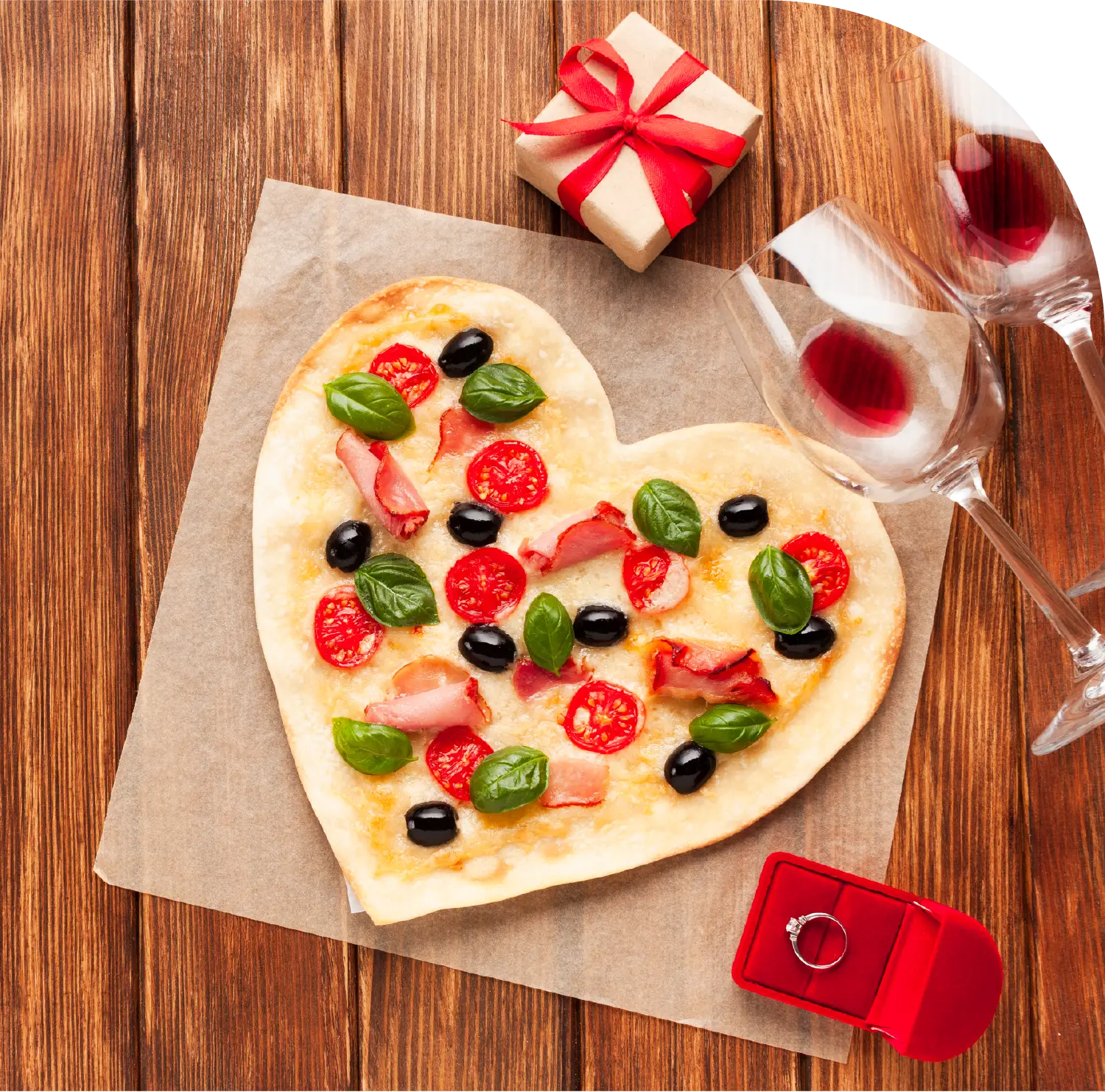
Seasonal Pricing Premiums Valentine’s menus command consistent price increases across all restaurant formats.
Bundle-Led Revenue Growth Fixed-price meals and curated combos drive higher average order values.
Cuisine Demand Shifts Italian, continental, and dessert categories dominate Valentine’s Week menus.
Channel Strategy Differences Dine-in emphasizes experience, while delivery prioritizes clarity and convenience.
Data-Driven Decision Making Scalable menu intelligence enables faster, more profitable seasonal planning.

Valentine’s Day remains one of the most influential seasonal events for the global food and beverage industry. In 2026, restaurants, cafés, bars, and food delivery platforms are expected to intensify competition through exclusive menus, premium pricing, romantic meal bundles, and limited-time dining experiences. To understand these evolving strategies at scale, Web Scraping Valentine’s Day Menus 2026 has emerged as a critical data-driven approach for analyzing real-time menu pricing, bundled offers, and seasonal positioning across markets.
With increasing menu volatility and short promotional windows, Restaurant Menu Pricing Scraping for Valentine’s Day enables businesses to capture accurate, up-to-date pricing intelligence across dine-in and delivery channels. When combined with Valentine’s Day Food & Beverage Menu Analytics, scraped data reveals deeper insights into consumer preferences, bundle performance, and cuisine-level demand trends during Valentine’s Week.
Valentine’s Day dining has shifted significantly from traditional single-day reservations to a multi-day consumption cycle. Valentine’s Week now includes early-bird dining offers, mid-week delivery promotions, and post-Valentine’s dessert campaigns. This expansion has increased the complexity of pricing strategies and menu planning for restaurants and delivery platforms alike.
By leveraging Valentine’s Week Dining Offers Scraping, brands can track how menus evolve daily, identify peak pricing periods, and understand how promotional intensity changes as February 14 approaches. This intelligence is particularly valuable for brands operating across multiple cities or cuisines, where localized pricing adjustments can directly impact revenue.
Scraped menu data from past Valentine’s campaigns shows consistent price inflation compared to standard menus. Restaurants justify these premiums through curated experiences, exclusive ingredients, limited availability, and romantic presentation. In 2026, this pricing gap is expected to widen further due to rising ingredient costs and higher consumer willingness to pay for experiential dining.
Key Pricing Observations:
| Restaurant Segment | Average Regular Menu Price (USD) | Valentine’s Menu Price (USD) | Average Premium (%) |
|---|---|---|---|
| Casual Dining | 20 | 26 | 30% |
| Fine Dining | 48 | 65 | 35% |
| Cloud Kitchens | 17 | 22 | 29% |
| Quick Service | 11 | 14 | 27% |
| Dessert Cafés | 9 | 12 | 33% |
One of the strongest insights from Valentine’s menu data is the dominance of bundled offerings. Restaurants increasingly Scrape Valentine’s Day Meal Bundles & Combos to benchmark successful structures such as “Dinner for Two,” “Chef’s Special Pairings,” and dessert-led packages.
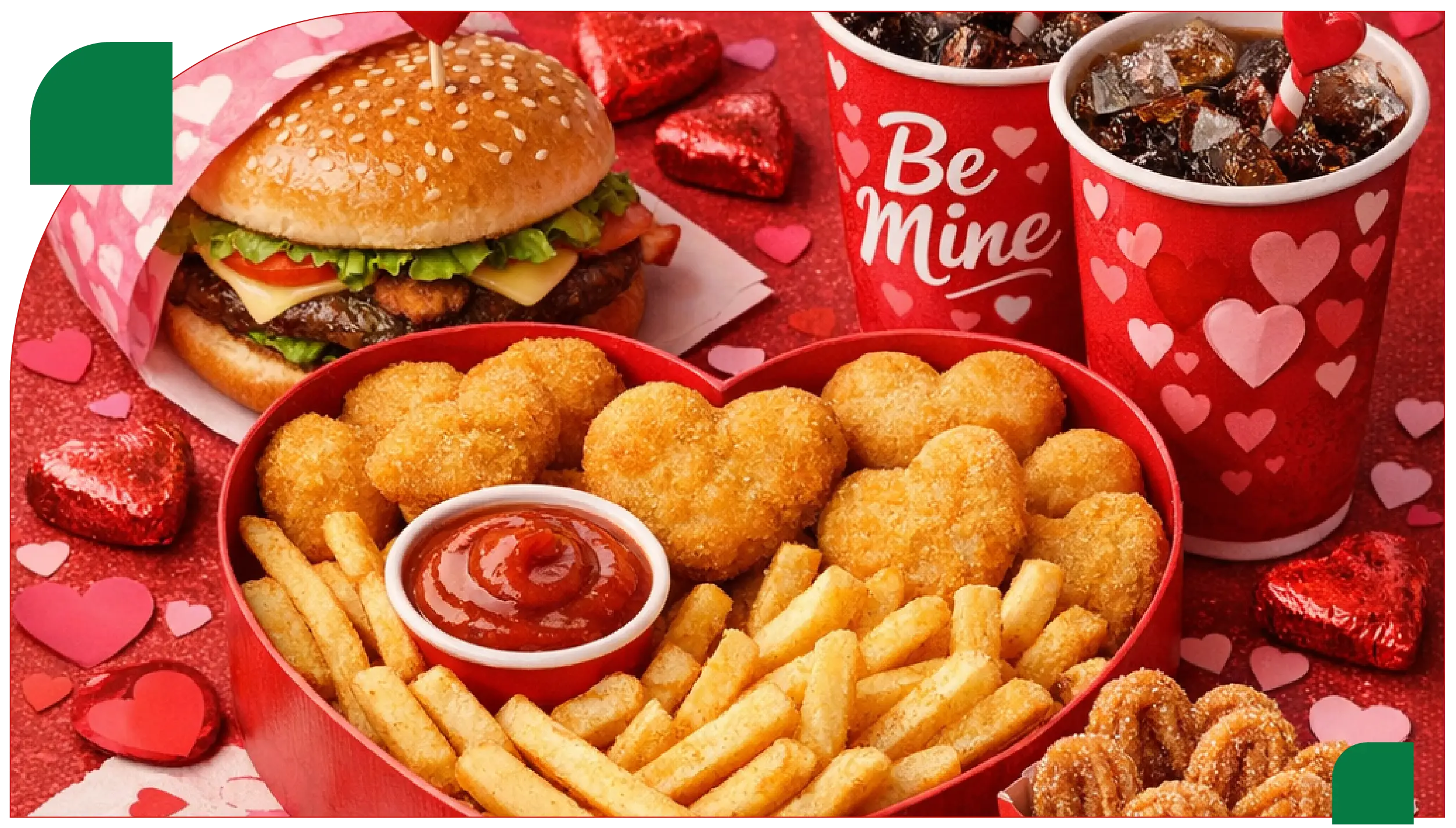
Bundles simplify customer decision-making while increasing average order value. On food delivery platforms, these combos are often highlighted visually, improving conversion rates during peak browsing hours.
Using Valentine’s Day Dinner Package Analytics, restaurants can evaluate which bundle components—such as desserts, beverages, or premium mains—drive the highest engagement and repeat orders.
| Bundle Category | % of Menus Featuring Bundle | Average Price (USD) |
|---|---|---|
| Dinner for Two | 44% | 38 |
| Three-Course Fixed Menu | 32% | 57 |
| Dessert & Beverage Combos | 29% | 19 |
| Wine / Cocktail Pairings | 26% | 15 |
| Vegan & Wellness Bundles | 18% | 34 |
Cuisine preference during Valentine’s Week differs sharply from everyday ordering behavior. Scraped data shows that Italian, Continental, and dessert-centric menus dominate Valentine’s listings, reflecting consumer preference for indulgent and shareable meals.
By using data to Track Valentine’s Day Menu Pricing & Bundles, restaurants can align cuisine offerings with proven demand patterns while optimizing margins on high-performing categories.
| Cuisine Type | Menu Presence (%) |
|---|---|
| Italian | 41% |
| Continental | 36% |
| Asian / Pan-Asian | 28% |
| Desserts & Bakery | 35% |
| Plant-Based / Vegan | 17% |
There is a clear structural difference between dine-in and delivery-focused Valentine’s menus. Dine-in restaurants emphasize ambience, experience-based pricing, and fixed seating slots. Meanwhile, delivery platforms prioritize clarity, portability, and visually appealing bundles.
Businesses that Extract Valentine’s Day Menus 2026 from both channels gain a holistic understanding of how menu formats, pricing logic, and promotional language differ by consumption mode. This dual-channel intelligence is crucial for brands operating hybrid dine-in and delivery models.
Manually tracking Valentine’s menus across hundreds of restaurants and platforms is inefficient and error-prone. Automated Food Delivery Data Scraping Services enable continuous extraction of menu prices, bundle compositions, availability windows, and promotional tags.
Advanced Restaurant Menu Data Scraping systems capture structured data at scale, while Food Delivery Scraping API Services support near real-time monitoring across multiple platforms and geographies. When combined with Restaurant Data Intelligence Services, this data becomes a powerful foundation for pricing optimization, demand forecasting, and competitive benchmarking.
As Valentine’s Day expands into a multi-day, multi-channel dining occasion, strategic decisions increasingly depend on reliable market intelligence. Restaurants, delivery platforms, and food brands must move beyond assumptions and rely on structured insights to stay competitive during this high-impact seasonal window. Access to accurate menu pricing, bundle trends, and demand signals enables faster responses to changing consumer preferences and market dynamics.
By leveraging food menu intelligence powered by Food delivery Intelligence services, businesses can continuously monitor seasonal pricing shifts and promotional effectiveness. When this intelligence is visualized through a centralized Food Price Dashboard, teams gain instant clarity across locations and platforms. Further enrichment using structured Food Delivery Datasets helps brands refine planning, optimize pricing strategies, and execute more profitable Valentine’s Day campaigns in 2026 and future seasons.
If you are seeking for a reliable data scraping services, Food Data Scrape is at your service. We hold prominence in Food Data Aggregator and Mobile Restaurant App Scraping with impeccable data analysis for strategic decision-making.