The Client
The client is an emerging health-tech company focused on transforming how users understand and track their daily food intake. Their mission is to simplify nutrition by providing accurate, AI-driven insights across a wide variety of cuisines and dining options.
To support this vision, they leveraged Extract Calorie And Nutrition Data From Restaurant Menus to ensure precise and reliable dietary information for users. This capability allowed them to deliver detailed nutritional breakdowns directly within their application.
By integrating Real-Time Restaurant Menu Data Extraction, the client ensured that users always accessed the most up-to-date menu information, improving trust and usability.
Additionally, with Web Scraping Restaurant Menus Data, they expanded their coverage across thousands of restaurants globally. This helped them build a scalable, data-rich platform that caters to diverse user preferences while maintaining high accuracy and performance.
Key Challenges
- Hidden Variability in Recipe Interpretation
While using Web Scraping Food Delivery Data, the client encountered hidden inconsistencies in how similar dishes were described across platforms. The same item often had different ingredient listings, making it difficult for AI models to interpret recipes and generate precise nutrition outputs. - Contextual Gaps in Menu Information
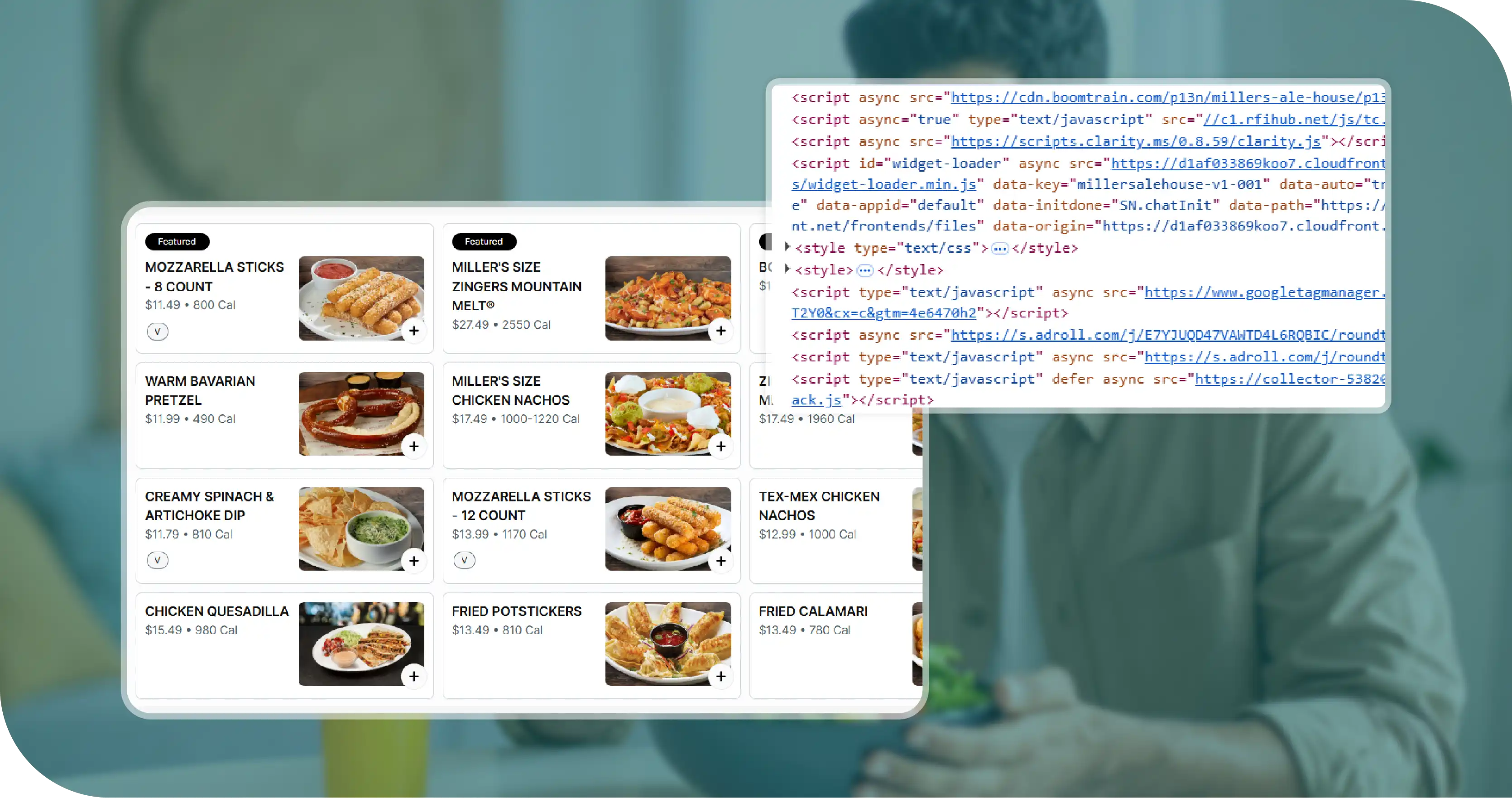
Efforts to Extract Restaurant Menu Data revealed missing contextual details like cooking methods, oil usage, and ingredient substitutions. These gaps limited the ability to derive accurate calorie estimations, forcing the client to rely on probabilistic modeling instead of exact nutritional mapping. - Latency in Dynamic Menu Personalization
Implementing a Food Delivery Scraping API exposed challenges in handling hyper-local and time-based menu variations. Items changed based on location, time, or demand, creating delays in updating datasets and affecting the app’s ability to deliver consistent, real-time personalized recommendations.
Key Solutions
- AI-Led Semantic Gap Filling
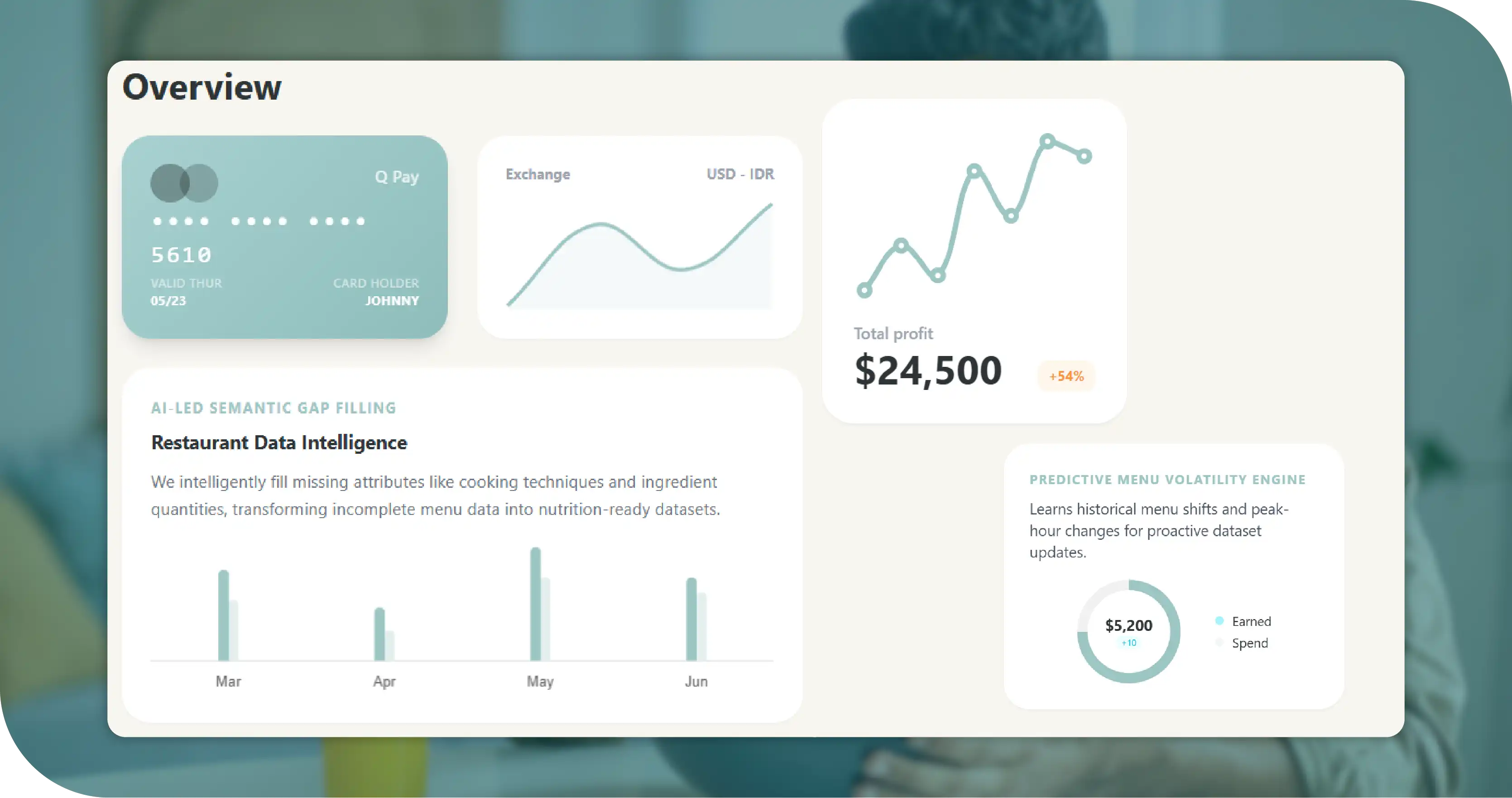
We deployed advanced Restaurant Data Intelligence models to intelligently fill missing attributes like cooking techniques and ingredient quantities. This transformed incomplete menu data into structured, nutrition-ready datasets, enabling the client’s AI engine to deliver far more accurate and context-aware insights. - Predictive Menu Volatility Engine
Through Food delivery Intelligence, we built systems that learned from historical menu shifts, peak-hour changes, and geo-based variations. This allowed proactive dataset updates, minimizing disruptions caused by sudden menu edits and ensuring continuous reliability of recommendations. - Value-Nutrition Optimization Framework
We designed a Food Price Dashboard that connected dish pricing with portion sizes and ingredient quality. This enabled dynamic recommendations balancing affordability and health, giving users smarter food choices aligned with both nutritional goals and spending capacity.
Sample Data
| Module | Records Processed | Avg. Accuracy (%) | Update Frequency | Data Sources Integrated | Processing Time (mins) | Impact Metric |
|---|---|---|---|---|---|---|
| Menu Context Engine | 1,000,000+ | 92% | Daily | 120+ platforms | 45 | +35% nutrition accuracy |
| Dynamic Menu Tracker | 850,000+ | 90% | Hourly | 80+ delivery apps | 30 | 90% real-time sync efficiency |
| Pricing Intelligence Layer | 600,000+ | 88% | Daily | 60+ sources | 25 | +28% smarter budget recommendations |
| Data Normalization Pipeline | 1,200,000+ | 95% | Continuous | 150+ structured feeds | 50 | Unified multi-source dataset |
| AI Recommendation Engine | 500,000+ users | 93% | Real-time | Internal + external | <5 | 2x user engagement |
| Real-Time Sync System | 900,000+ | 91% | Every 5 mins | APIs + scraping feeds | 10 | <5 min latency |
| Nutritional Mapping Engine | 1,000,000+ | 89% | Daily | Global food datasets | 40 | High trust & retention growth |
Methodologies Used
- Automated Data Harvesting
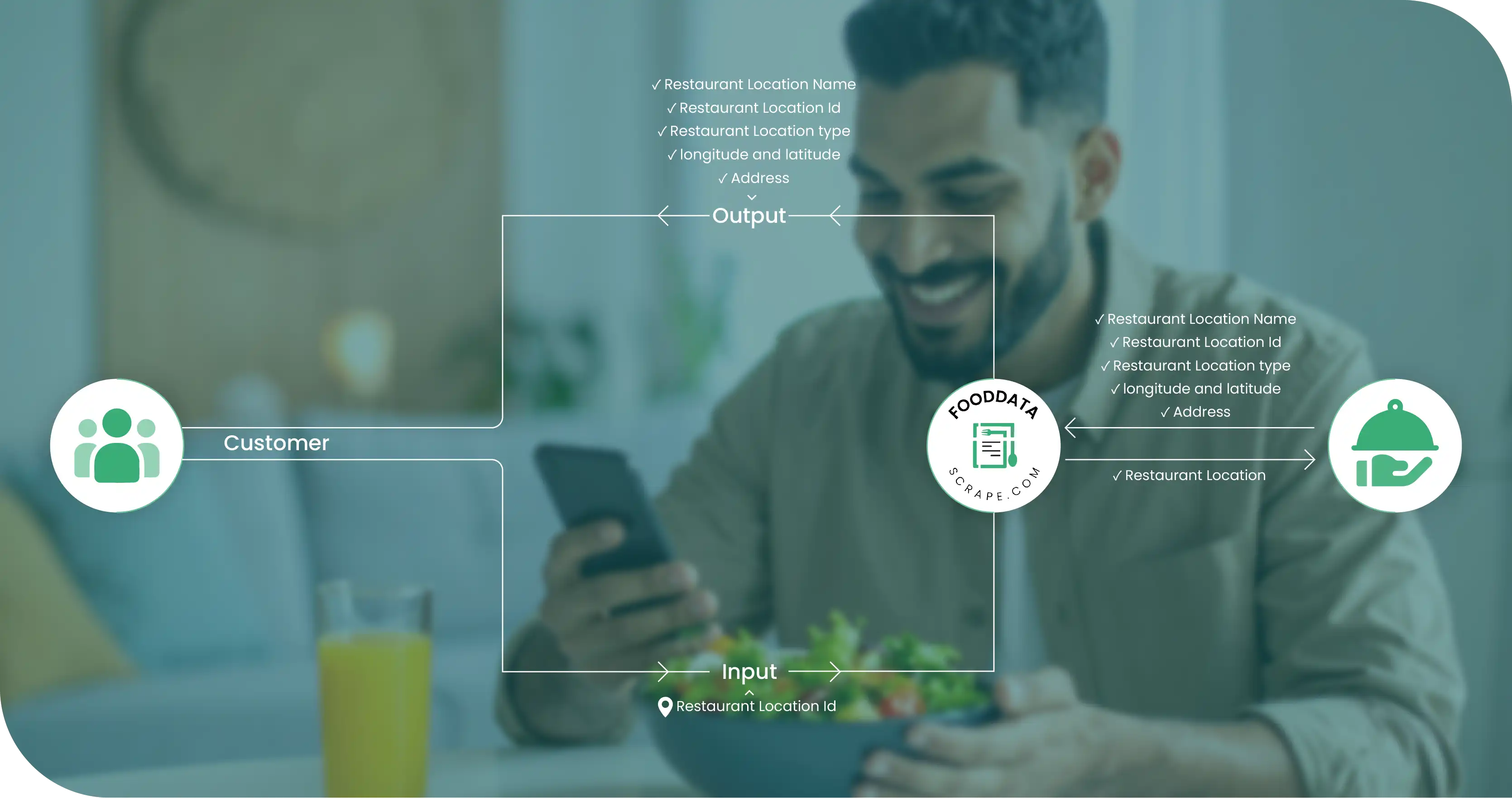
We implemented a robust system to collect large volumes of menu information efficiently. The automated pipelines ensured consistent extraction from multiple sources, reducing manual intervention while maintaining high-quality, structured datasets ready for advanced analytics and AI integration. - Data Standardization & Cleaning
Collected data underwent rigorous cleaning and normalization. Inconsistent formats, missing values, and duplicated entries were systematically addressed, transforming raw inputs into uniform, reliable datasets. This step was critical for accurate analysis, comparison, and downstream application in AI-driven solutions. - Intelligent Context Reconstruction
Our methodology incorporated inference models to fill gaps in incomplete menu data. Missing ingredients, portion sizes, and preparation details were reconstructed using pattern recognition and historical trends, ensuring datasets captured real-world variations with precision. - Predictive Trend Analysis
We applied predictive models to anticipate menu updates, ingredient substitutions, and regional variations. This forward-looking approach allowed the system to proactively update datasets, maintaining relevance, accuracy, and timeliness for applications that relied on continuously changing restaurant data. - Continuous Validation & Feedback Loops
All extracted and processed data passed through iterative validation checks. Feedback from AI outputs and real-world discrepancies informed refinement cycles, enhancing overall accuracy, reliability, and robustness of the dataset over time.
Advantages of Collecting Data Using Food Data Scrape
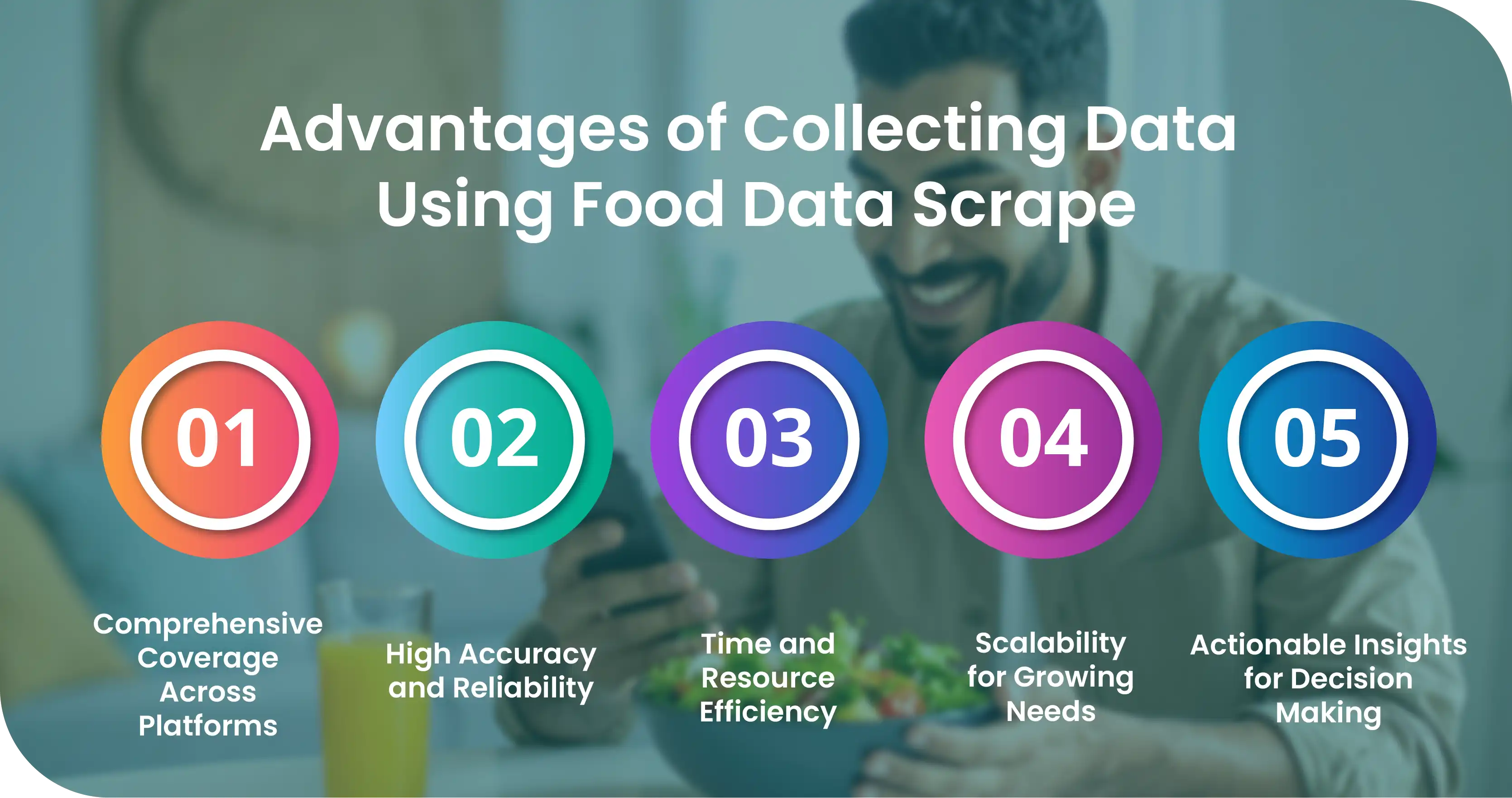
- Comprehensive Coverage Across Platforms
Our service gathers data from a wide array of sources, capturing every menu variation, portion size, and ingredient detail. This extensive coverage ensures clients gain a complete view of the market, enabling informed analysis and decision-making. - High Accuracy and Reliability
Through automated pipelines and intelligent validation, the extracted data maintains exceptional accuracy. Clients can trust that the insights derived from this information reflect real-world conditions, minimizing errors and supporting precise analytics and reporting. - Time and Resource Efficiency
Manual data collection is labor-intensive and prone to mistakes. Our solutions automate the process end-to-end, saving valuable time and operational resources while allowing clients to focus on strategic tasks rather than tedious data management. - Scalability for Growing Needs
Our services are designed to handle datasets of any size, from thousands to millions of records. This scalability ensures that as a client’s operations expand, the data infrastructure grows seamlessly without compromising performance or quality. - Actionable Insights for Decision-Making
By transforming raw information into structured, organized datasets, our services empower clients to identify trends, optimize offerings, and make evidence-based decisions quickly. This actionable intelligence drives improved performance, user engagement, and competitive advantage.
Client’s Testimonial
"Working with this team has been a game-changer for our AI nutrition platform. The depth, accuracy, and structure of the data exceeded our expectations and significantly improved our model performance. Their ability to handle large-scale data with consistency and speed helped us launch faster and scale confidently. We especially value their proactive approach, attention to detail, and commitment to quality. The insights we now generate are far more reliable, leading to better user engagement and trust. I highly recommend their services to any company looking to build data-driven products."
— Head of Product
Final Outcome
The final outcome delivered exceptional value, transforming the client’s vision into a high-performing AI nutrition platform. With access to enriched and structured Food Datasets, the application achieved remarkable accuracy in calorie estimation, ingredient mapping, and personalized recommendations.
The platform scaled efficiently across regions, supporting diverse cuisines while maintaining consistency and reliability. Enhanced data quality improved machine learning outputs, resulting in smarter suggestions and higher user satisfaction.
Additionally, faster data processing and real-time updates ensured users always received relevant and up-to-date insights. This led to increased engagement, stronger retention, and improved trust among users.
Overall, the solution empowered the client to establish a competitive edge, positioning their app as a reliable and intelligent nutrition companion in a rapidly growing market.