
The dark kitchen sector has evolved into a dynamic, data-driven component of the global foodservice industry. Delivery-only kitchens, operating without dine-in facilities, offer flexible, low-overhead solutions for urban food demand. With rising consumer preference for convenience, speed, and variety, operators are leveraging technology, predictive analytics, and real-time performance metrics to optimize operations and expand strategically. This report examines market trends, regional growth patterns, competitive dynamics, and operational best practices. It highlights opportunities for efficiency, menu innovation, and strategic placement, providing actionable insights for operators, investors, and analysts. Additionally, it emphasizes the importance of integrating data from multiple sources to anticipate demand fluctuations and make informed expansion decisions.
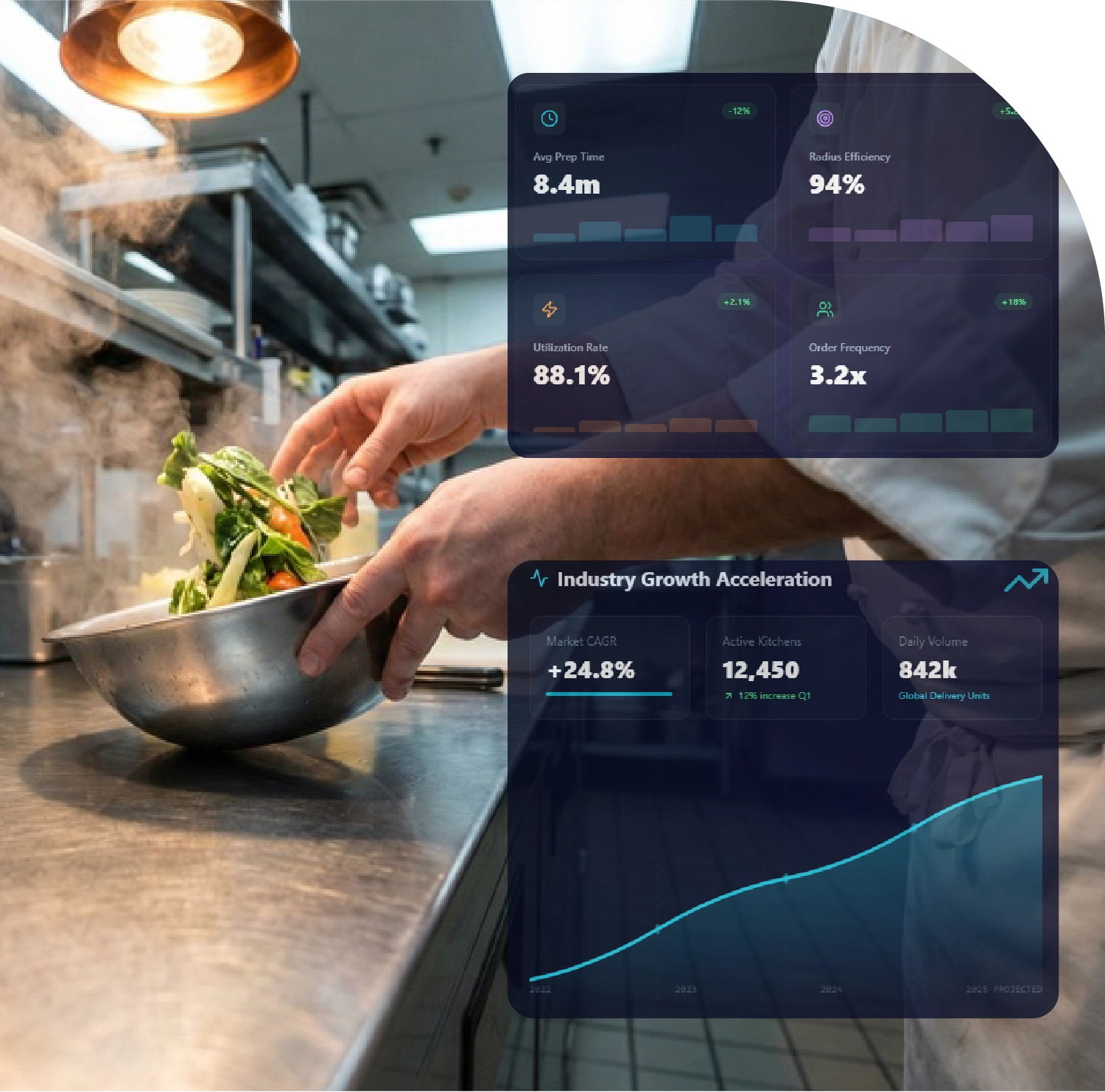
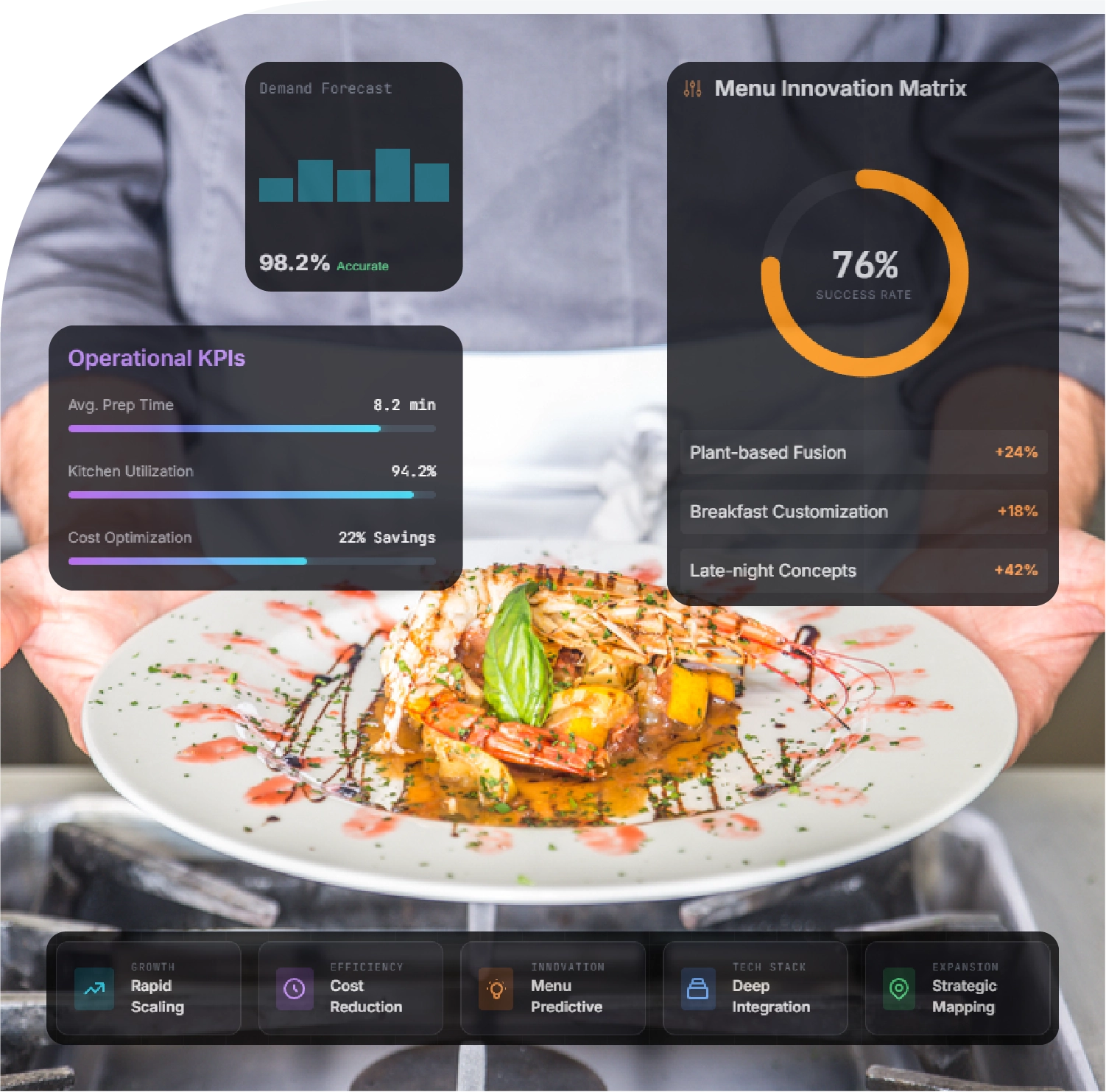
Market Growth – Rapid adoption and increasing market size globally.
Operational Efficiency – Streamlined processes reduce costs and improve delivery times.
Menu Innovation – Data-driven item selection and predictive trends.
Technology Integration – Real-time monitoring enhances decision-making.
Regional Expansion – Strategic placement ensures maximum market coverage.

In this Dark Kitchen Expansion Intelligence Report 2026, we provide an in‑depth analysis of the rapid growth, technological drivers, competitive landscape, and future outlook of the global dark kitchen ecosystem. This research draws from emerging patterns in consumer behavior, food delivery logistics, menu optimization strategies, and infrastructure scalability.
Through advanced methodologies to Scrape Dark Kitchen Expansion Data 2026, stakeholders can quantify growth opportunities, define regional market leaders, and optimize network footprint strategies to maximize return on investment (ROI).
Using technologies such as AI‑enabled analytics, GIS‑driven site selection, and automated data pipelines — including capabilities to Extract Dark Kitchen Expansion Data 2026 — this report synthesizes operational data into actionable insights.
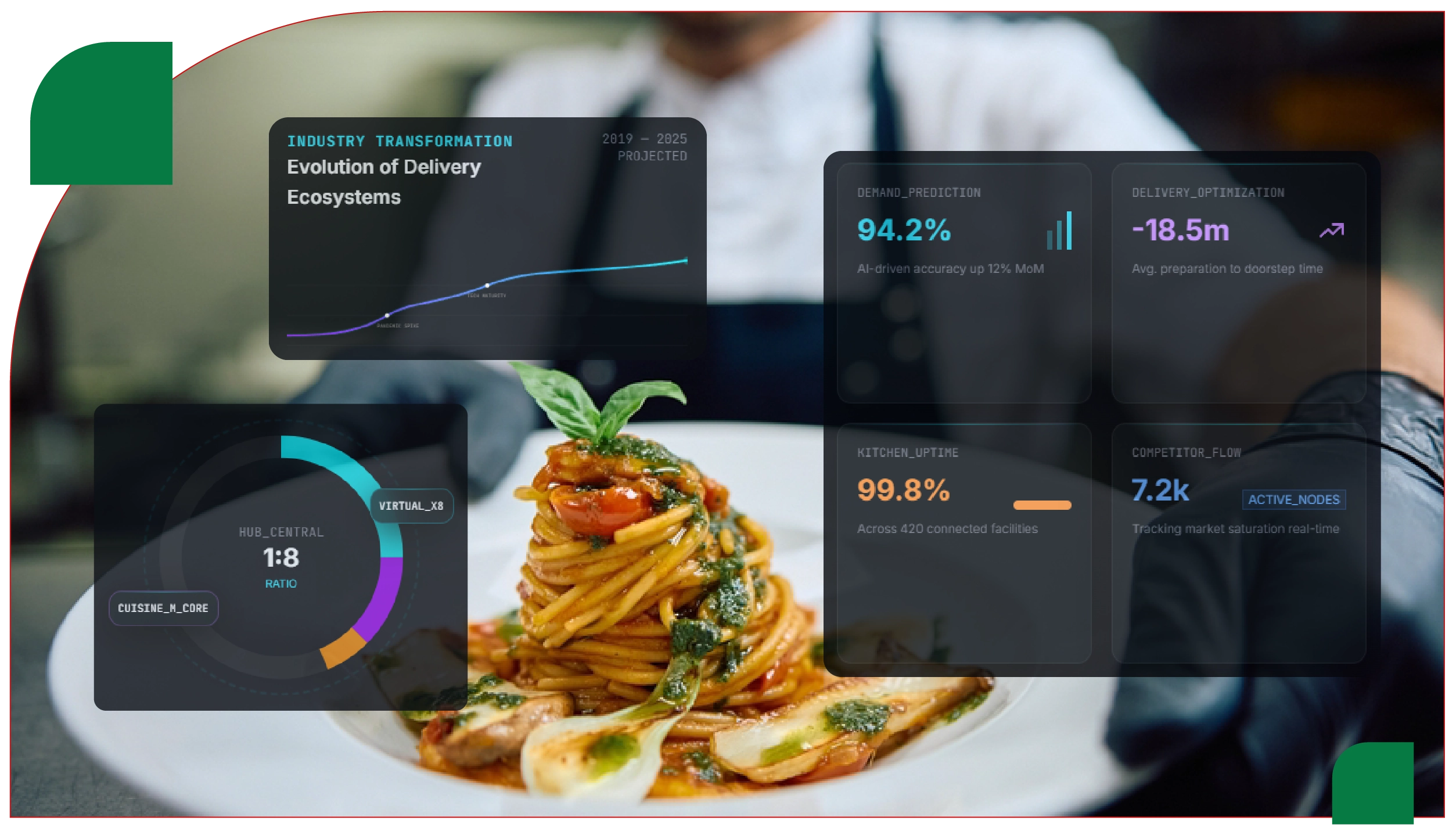
The global dark kitchen market is undergoing a rapid transformation, shifting from experimental, pandemic-driven models to highly optimized, delivery-first operations. These kitchens, which operate without a traditional dine-in setup, are increasingly viewed as critical nodes in urban food ecosystems.
Key insights from recent market trends include:
This overview frames the strategic landscape for stakeholders, highlighting where investments, technology adoption, and operational innovations intersect to drive competitive advantage.
The dark kitchen market continues to grow rapidly. Below is a projection table showing estimated regional market size growth from 2023 through 2026.
| Region | 2023 ($B) | 2024 ($B) | 2025 ($B) | 2026 ($B) | CAGR (2023–26) |
|---|---|---|---|---|---|
| North America | 3.1 | 4.4 | 6.2 | 8.7 | 47% |
| Europe | 2.7 | 3.8 | 5.5 | 7.5 | 44% |
| Asia Pacific | 2.9 | 4.2 | 6.0 | 8.5 | 48% |
| Latin America | 0.8 | 1.2 | 1.7 | 2.4 | 46% |
| Middle East & Africa | 0.5 | 0.7 | 1.0 | 1.4 | 48% |
| Global Total | 10.0 | 14.3 | 20.4 | 28.5 | 46% |
Source: Internal market estimates, delivery order forecasts, digital ordering statistics.
E‑commerce and Digital Ordering Penetration
With continued adoption of third‑party delivery platforms and mobile ordering, dark kitchens are benefiting from:
Operators have started to use Web Scraping Cloud Kitchen Data 2026 tools to benchmark against real‑time order fulfillment trends.
Technological Adoption
Modern dark kitchen operations integrate:
Data‑centric operations are amplified by innovations such as Web Scraping Food Delivery Data pipelines that continuously update metrics like delivery time, customer ratings, popular menu items, and heat‑map demand forecasts.
Consumer Preferences for Speed & Value
Millennials and Gen Z consumers prioritize convenience with data showing:
The competitive landscape for dark kitchens is shaped by three types of operators:
| Operator Type | Typical Footprint | Strengths | Weaknesses |
|---|---|---|---|
| Global Aggregators | >50 kitchens | Brand recognition, economies of scale | Higher fixed cost, complex logistics |
| Regional Operators | 10–50 kitchens | Local customization, faster iterations | Limited capital, regional dependency |
| Independent Kitchens | 1–9 kitchens | Low overhead, niche specialization | Limited visibility, unstable order volumes |
Operators increasingly leverage method to Extract Restaurant Menu Data to optimize menu pricing, reduce food cost percentages, and streamline item turn‑rates.
Dark kitchens often operate multiple virtual brands from a single kitchen. Menu engineering has become a competitive edge, with trends including:
Food Delivery Scraping API integrations with order management systems help kitchens anticipate peak times and forecast inventory requirements.
Below are key performance indicators that matter most for dark kitchen operators:
| KPI | Definition | 2024 Avg. | 2025 Target | 2026 Target |
|---|---|---|---|---|
| Order Conversion Rate | % orders from total views | 8.5% | 10% | 12% |
| Delivery Time (mins) | Total avg delivery time | 35 | 30 | 28 |
| Average Order Value ($) | Gross order revenue per order | 23.4 | 26.0 | 28.5 |
| Food Cost % | Ingredient cost ratio | 31% | 29% | 27% |
| Delivery Completion % | Successful first attempt deliveries | 91% | 94% | 96% |
These KPIs often derive from centralized dashboards that integrate data from POS systems, delivery partners, and internal analytics.
North America
High adoption of delivery platforms, strong venture capital funding, and urban density drive rapid expansion.
Europe
Cities with mixed population density prioritize shared micro kitchen facilities to reduce rental costs.
Asia Pacific
Rapid digital adoption and expanding middle‑class demand fuel explosive kitchen openings.
To capitalize on the growth trajectory through 2026, operators should:
Market Saturation
Rising Labor Costs
Regulatory Uncertainty
By 2026, the dark kitchen ecosystem will be deeply data‑driven, with real-time insights shaping every strategic decision. Operators employing Restaurant Data Intelligence frameworks will outperform their peers in efficiency, customer retention, and profitability.
Looking forward, the industry must continue to embrace:
In an era where data defines competitive advantage, Food delivery Intelligence will shape operational efficiency and customer engagement. A robust Food Price Dashboard helps operators track pricing trends and optimize menu profitability. Comprehensive Food Datasets empower strategic decision-making and identify emerging market opportunities across the cloud kitchen landscape.
If you are seeking for a reliable data scraping services, Food Data Scrape is at your service. We hold prominence in Food Data Aggregator and Mobile Restaurant App Scraping with impeccable data analysis for strategic decision-making.