The Client
The client is a fast-growing omnichannel retail company operating across multiple product categories, including electronics, fashion, home essentials, and consumer goods. With thousands of SKUs and intense market competition, the company required accurate, real-time pricing visibility to improve profitability and customer satisfaction.
Real-Time Pricing Data Extraction enabled the client to capture competitor prices, discounts, and promotional campaigns across major online marketplaces.
Using Automated Retail Pricing Data Monitoring, the business eliminated manual price tracking, received continuous updates, and responded instantly to changing market conditions without operational delays.
By implementing AI-Powered Pricing Intelligence, the client gained predictive pricing recommendations, demand-based insights, and automated pricing strategies that maximized margins while maintaining competitive pricing. The solution also improved inventory planning, promotion effectiveness, and executive decision-making through centralized dashboards and actionable analytics. This digital transformation allowed the retailer to scale efficiently, optimize pricing performance, strengthen market positioning, and deliver a consistent customer experience across every sales channel.
Key Challenges
-
Competitor Price Visibility
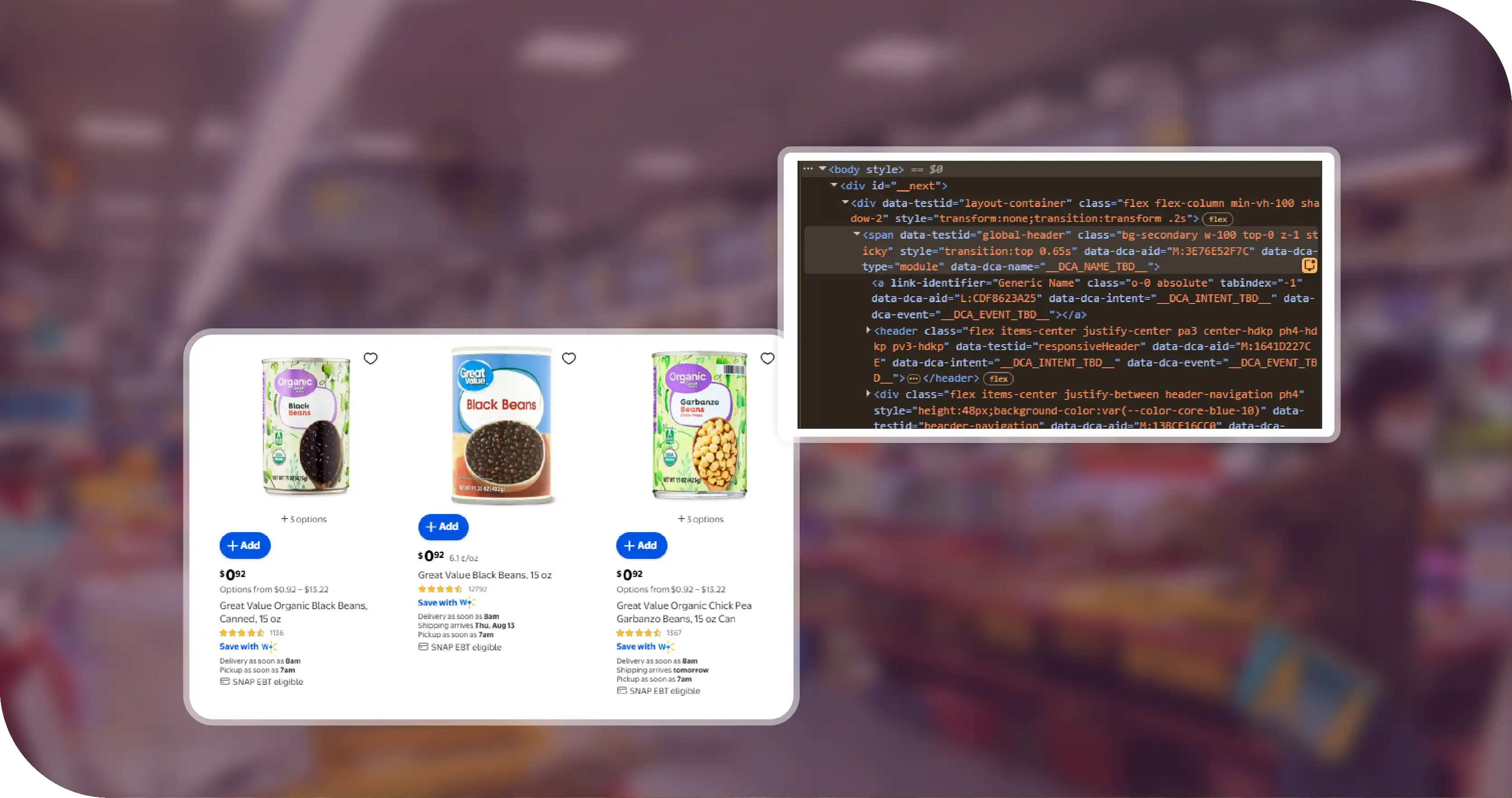
The client struggled to Extract Competitor Price Data across numerous online retailers because prices, discounts, and promotions changed frequently. Manual monitoring was slow, inconsistent, and unable to provide comprehensive market intelligence for timely pricing decisions and maintaining a competitive advantage. -
Demand Prediction Accuracy
Without reliable AI Demand Forecasting, the client found it difficult to anticipate buying patterns, seasonal demand, and promotional impacts. This resulted in pricing inefficiencies, inventory imbalances, missed sales opportunities, and delayed responses to rapidly changing consumer behavior across multiple markets. -
Limited Market Intelligence
The absence of centralized AI Grocery Intelligence prevented the client from combining pricing, inventory, promotions, and competitor activities into a unified strategy. Fragmented data sources reduced decision accuracy, slowed business operations, and limited the ability to optimize pricing and maximize overall profitability.
Key Solutions
-
Automated Market Intelligence
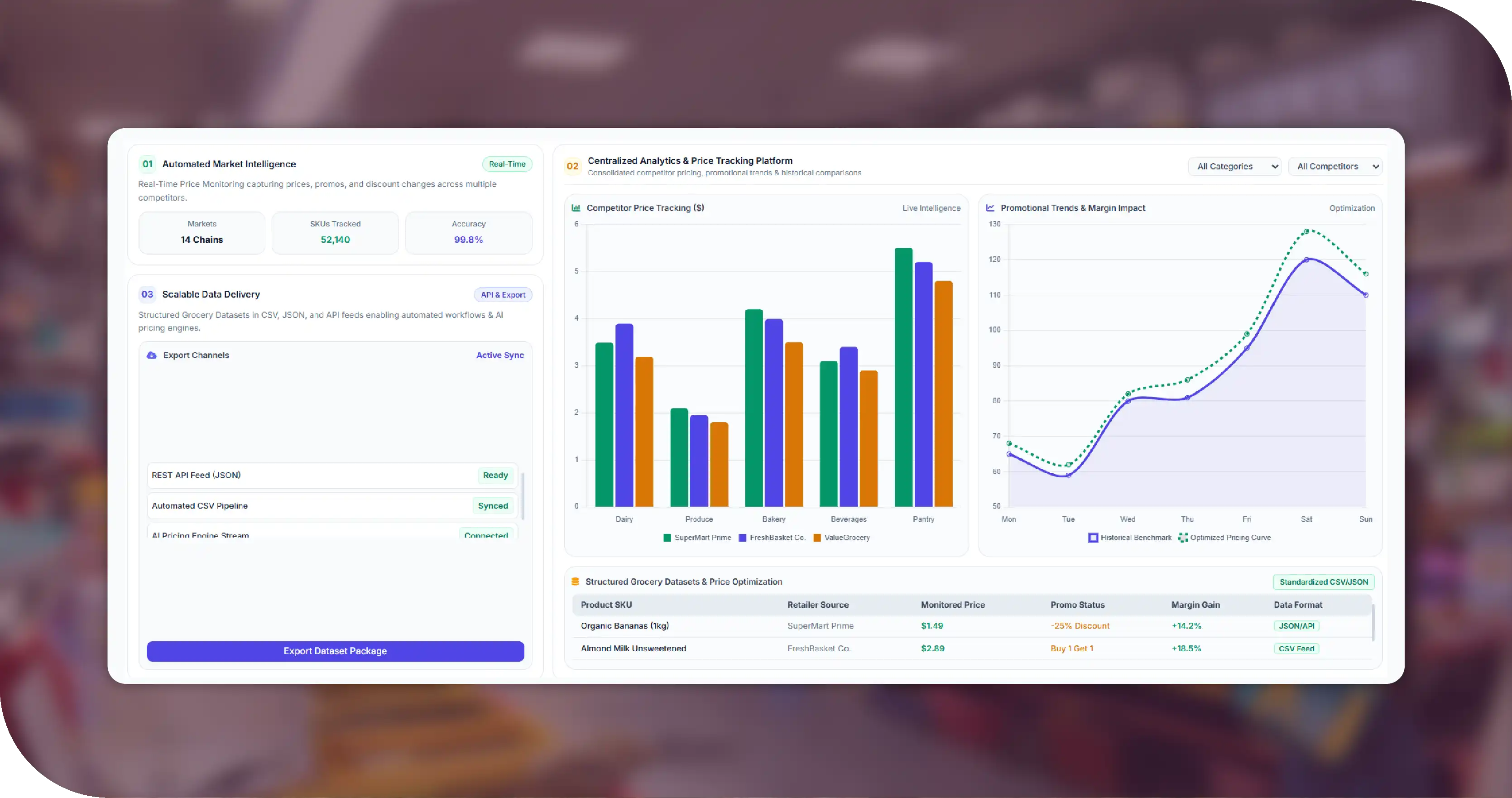
We implemented Real-Time Price Monitoring across multiple retailers, automatically capturing product prices, promotions, stock availability, and discount changes. Continuous data collection enabled instant market visibility, faster pricing decisions, reduced manual effort, and improved competitiveness through always-updated pricing intelligence. -
Centralized Analytics Platform
We developed a customizable Grocery Price Tracking Dashboard that consolidated competitor pricing, promotional trends, inventory updates, and historical comparisons. Interactive dashboards empowered business teams with actionable insights, simplified reporting, accelerated decision-making, and supported data-driven pricing optimization strategies. -
Scalable Data Delivery
We delivered structured Grocery Datasets in standardized formats including CSV, JSON, and API feeds. The solution ensured seamless integration with analytics platforms, AI pricing engines, and BI tools, enabling automated workflows, reliable forecasting, and enterprise-scale retail intelligence operations.
Sample Scraped Data
| Retailer | Product | Brand | Category | Current Price ($) | Previous Price ($) | Discount (%) | Stock Status | Last Updated |
|---|---|---|---|---|---|---|---|---|
| Walmart | Whole Milk 1 Gallon | Great Value | Dairy | 4.48 | 4.79 | 6.5 | In Stock | 2026-07-18 |
| Target | Greek Yogurt 32 oz | Chobani | Dairy | 5.99 | 6.49 | 7.7 | In Stock | 2026-07-18 |
| Kroger | Large Eggs 12 ct | Simple Truth | Eggs | 3.69 | 3.99 | 7.5 | Low Stock | 2026-07-18 |
| Amazon Fresh | Bananas 1 lb | Fresh Brand | Produce | 0.69 | 0.79 | 12.7 | In Stock | 2026-07-18 |
| Instacart | White Bread 20 oz | Wonder | Bakery | 2.89 | 3.19 | 9.4 | In Stock | 2026-07-18 |
| Costco | Basmati Rice 10 lb | Kirkland Signature | Pantry | 14.99 | 16.49 | 9.1 | In Stock | 2026-07-18 |
| Aldi | Olive Oil 1 L | Simply Nature | Grocery | 8.49 | 8.99 | 5.6 | In Stock | 2026-07-18 |
| Tesco | Corn Flakes 500 g | Kellogg's | Breakfast | 3.29 | 3.69 | 10.8 | In Stock | 2026-07-18 |
Methodologies Used
-
Multi-Source Data Collection
We gathered pricing, inventory, promotional, and product information from multiple online retail platforms using automated extraction pipelines. Data was captured at scheduled intervals, ensuring comprehensive market coverage while maintaining consistency, scalability, and high accuracy across thousands of product listings. -
Intelligent Data Standardization
Raw information from different retailers was cleaned, validated, and standardized into a unified structure. Product attributes, categories, currencies, and identifiers were normalized, making cross-platform comparisons reliable and enabling seamless integration with analytics and business intelligence systems. -
Continuous Change Detection
Our solution continuously monitored websites for pricing, availability, and promotional updates. Advanced change-detection mechanisms identified modifications instantly, minimizing unnecessary processing while delivering timely alerts and maintaining an up-to-date view of evolving retail market conditions. -
AI-Driven Analytical Processing
Collected data was processed through intelligent analytical models to identify pricing trends, demand patterns, competitor movements, and promotional effectiveness. These insights supported informed business decisions, optimized pricing strategies, and improved responsiveness to changing market dynamics. -
Secure Data Delivery and Integration
The processed datasets were delivered through APIs, cloud storage, and structured file formats. Automated workflows ensured secure, reliable, and timely data availability while enabling effortless integration with enterprise dashboards, reporting tools, forecasting systems, and operational platforms.
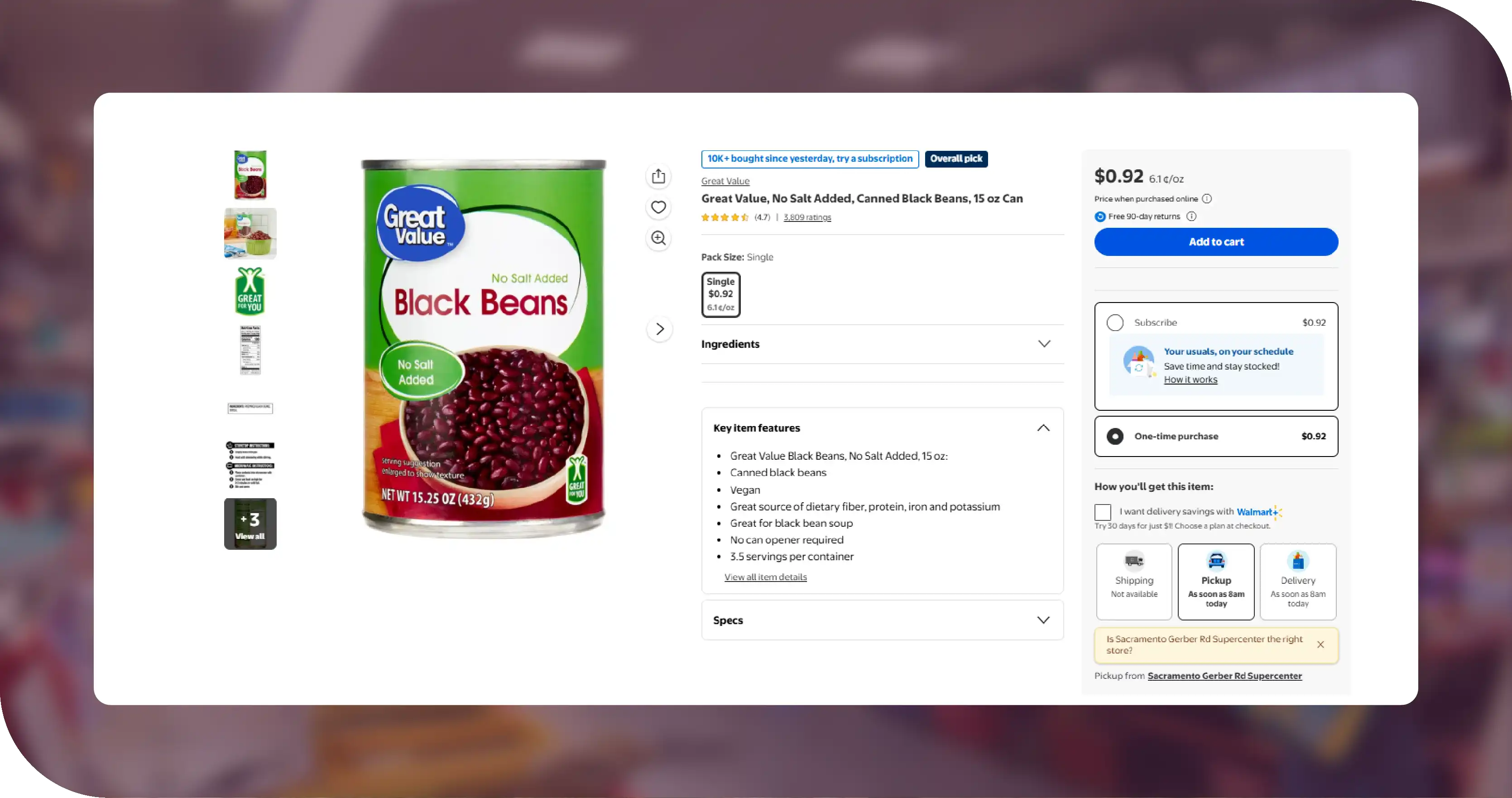
Advantages of Collecting Data Using Food Data Scrape
-
Comprehensive Market Coverage
Our solution captures information from multiple online retailers, marketplaces, and regional platforms simultaneously. This broad visibility helps businesses understand market movements, benchmark performance, identify opportunities, and make informed strategic decisions using a single, unified data source. -
Near Real-Time Updates
Automated collection schedules ensure businesses receive the latest pricing, inventory, and promotional information without delays. Continuous updates help organizations react quickly to market fluctuations, reduce response time, and maintain a proactive competitive strategy. -
Tailored Data Solutions
Every project is customized to match unique business objectives, including preferred data fields, collection frequency, output formats, and delivery methods. This flexibility ensures organizations receive relevant, actionable information that aligns perfectly with operational and analytical requirements. -
Actionable Business Intelligence
Beyond raw data, we transform collected information into meaningful insights through trend analysis, historical comparisons, and performance tracking. This enables businesses to uncover hidden opportunities, improve planning, optimize operations, and strengthen long-term growth strategies. -
Reliable Ongoing Support
Our dedicated technical team continuously monitors data pipelines, adapts to website changes, resolves extraction issues, and maintains consistent performance. Regular maintenance and proactive support ensure uninterrupted data availability and dependable service throughout the engagement.
Client's Testimonial
"Working with this team transformed the way we manage retail pricing and competitive intelligence. Their automated data collection solution provided highly accurate, timely, and well-structured datasets that integrated seamlessly with our analytics platform. We now make pricing decisions with greater confidence, respond faster to market changes, and identify opportunities that were previously difficult to track. The implementation process was smooth, their technical expertise was outstanding, and the ongoing support has been exceptional. Their solution has improved operational efficiency, strengthened our pricing strategy, and delivered measurable business value. We highly recommend their services to any data-driven retail organization."
—Director of Pricing Strategy
Final Outcome
The implemented solution delivered significant improvements in the client's pricing operations, market intelligence, and overall business performance. Automated data collection replaced time-consuming manual processes, providing consistent, accurate, and up-to-date retail information from multiple online sources. With centralized insights, the client responded more quickly to competitor pricing changes, promotional campaigns, and inventory fluctuations. Decision-makers gained greater confidence through reliable analytics and comprehensive reporting, enabling faster strategic actions. The scalable architecture supported expanding product catalogs and additional retail platforms without compromising performance. Improved data quality reduced operational errors, streamlined workflows, and enhanced collaboration across pricing, merchandising, and analytics teams. As a result, the client achieved stronger competitive positioning, optimized profit margins, improved customer satisfaction, and established a sustainable, data-driven pricing strategy capable of adapting to rapidly changing retail market conditions.