Boo-st your food data. Save 20% on scraping services
Menus · Grocery · Alcohol · AI Intelligence, across 40+ countries

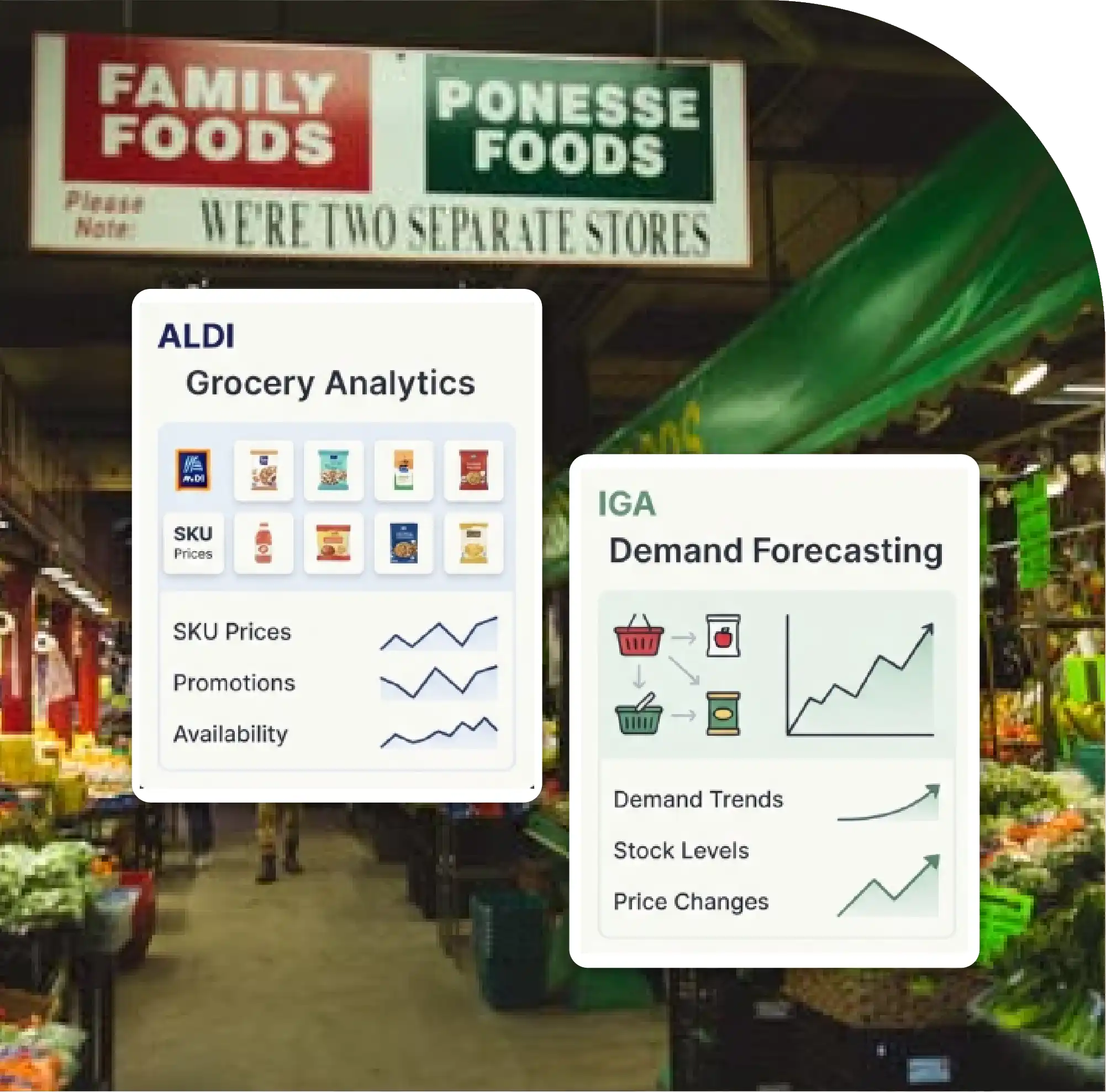
The Aldi & IGA Grocery Data Extraction report provides an in-depth analysis of digital grocery intelligence collected from two leading supermarket networks. It examines product catalogs, pricing patterns, promotional activities, inventory availability, category performance, and regional assortment variations to help businesses make informed decisions. The report demonstrates how structured grocery datasets enable retailers, consumer brands, market researchers, and analytics firms to monitor competitive pricing, evaluate promotional effectiveness, and identify emerging consumer trends. It also explores scalable data extraction methodologies that support real-time monitoring of online grocery platforms while maintaining high data accuracy and consistency. By transforming raw retail information into standardized datasets, organizations can improve merchandising strategies, optimize inventory planning, enhance demand forecasting, and strengthen pricing decisions. The insights presented support enterprise analytics, competitive benchmarking, and long-term strategic planning, making the report a valuable resource for businesses seeking comprehensive visibility into evolving grocery retail markets and data-driven decision-making across multiple regions.
Price Intelligence
Monitors pricing trends across products for competitive market analysis.
Inventory Tracking
Captures stock availability updates for improved supply chain visibility.
Promotion Analytics
Measures discount performance to optimize retail promotional strategies effectively.
Category Insights
Analyzes product categories to identify changing consumer purchasing behaviors.
Market Benchmarking
Compares retailer performance using structured grocery data intelligence consistently.

The modern grocery retail landscape is becoming increasingly digital, making structured data a strategic asset for retailers, brands, distributors, and market intelligence firms. Aldi & IGA Grocery Data Extraction enables organizations to collect large-scale information related to product listings, prices, inventory, promotions, categories, and regional availability from online grocery platforms. Businesses leverage these datasets to monitor pricing trends, optimize assortment planning, and enhance customer experiences across multiple retail channels.
As grocery eCommerce continues expanding, companies require accurate and frequently updated Aldi grocery product dataset resources to evaluate product performance, identify pricing opportunities, and benchmark competitors. The increasing demand for digital retail intelligence has also accelerated the adoption of IGA supermarket pricing data scrape solutions that provide structured information for analytical platforms and business intelligence systems.
Retailers operate thousands of products across multiple departments including fresh produce, dairy, beverages, frozen foods, bakery, household essentials, pet supplies, and personal care. Monitoring these products manually is no longer practical because prices, stock levels, promotional offers, and seasonal assortments change continuously. Automated extraction systems provide reliable and timely information that supports pricing optimization, assortment planning, inventory forecasting, supplier negotiations, and consumer trend analysis.
Businesses using grocery datasets gain greater visibility into market conditions while reducing operational delays associated with manual data collection. Structured retail intelligence improves forecasting accuracy and enables decision-makers to react quickly to market changes without relying on outdated reports.
Digital grocery platforms generate enormous volumes of structured information every day. Product availability, promotional campaigns, discount schedules, bundle offers, and regional assortments constantly evolve according to consumer demand and supply chain conditions. Comprehensive extraction frameworks capture these changes and transform them into standardized datasets suitable for business analytics.
Retail organizations increasingly rely on automated grocery intelligence to compare pricing across stores, monitor competitor discounts, identify assortment gaps, evaluate regional pricing differences, and understand consumer purchasing behavior. These insights improve merchandising strategies while supporting category management initiatives across both physical and online stores.
Historical pricing records further strengthen forecasting models by revealing seasonal demand fluctuations and promotional effectiveness across multiple product categories.
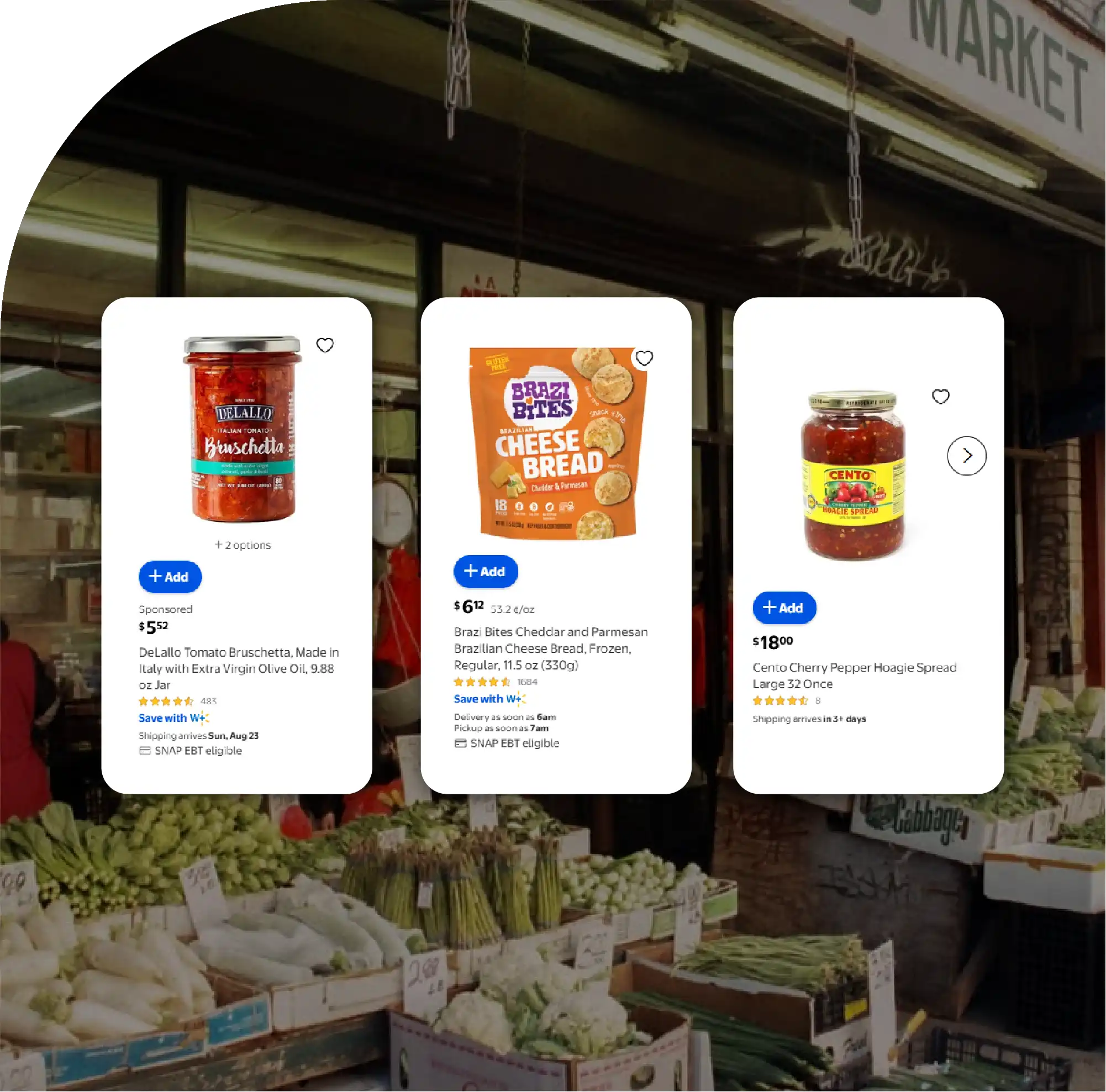
A comprehensive grocery extraction workflow captures multiple structured attributes from Aldi and IGA digital platforms. These datasets typically include product names, package sizes, SKU identifiers, prices, promotional prices, nutritional information, images, availability status, brand names, category hierarchy, customer ratings, review counts, delivery eligibility, store locations, and timestamped updates.
Such standardized information supports downstream analytical applications including retail dashboards, machine learning models, competitive benchmarking systems, and enterprise reporting environments.
| Product Category | Products Tracked | Average Price ($) | Discounted Price ($) | Weekly Updates | Stores Covered | Stock Availability (%) | Promotion Frequency (%) |
|---|---|---|---|---|---|---|---|
| Fresh Produce | 2,450 | 3.45 | 2.89 | 28 | 310 | 95.4 | 42 |
| Dairy | 1,980 | 5.82 | 4.97 | 28 | 310 | 96.8 | 38 |
| Frozen Foods | 1,650 | 7.96 | 6.72 | 21 | 310 | 94.1 | 35 |
| Bakery | 1,120 | 4.15 | 3.64 | 28 | 310 | 97.2 | 31 |
| Snacks | 2,210 | 4.92 | 4.08 | 28 | 310 | 93.5 | 46 |
| Beverages | 2,890 | 6.48 | 5.52 | 28 | 310 | 95.7 | 39 |
| Household | 1,760 | 9.14 | 8.02 | 14 | 310 | 94.9 | 29 |
| Personal Care | 1,530 | 8.83 | 7.61 | 14 | 310 | 92.8 | 27 |
| Baby Products | 690 | 14.27 | 12.48 | 14 | 310 | 96.3 | 24 |
| Pet Supplies | 880 | 10.56 | 9.17 | 14 | 310 | 95.6 | 33 |
Retail analysts use these structured datasets to understand pricing behavior across departments while identifying opportunities for assortment optimization and promotional planning.
Modern grocery retailers frequently modify prices in response to supplier costs, local competition, demand fluctuations, inventory conditions, and promotional calendars. Continuous monitoring provides visibility into these adjustments, enabling businesses to react faster than traditional market research approaches.
Organizations using grocery pricing intelligence for Aldi and IGA gain access to near real-time pricing comparisons that simplify competitor benchmarking and support strategic pricing decisions. Historical records also reveal long-term pricing trends across categories, helping retailers identify recurring promotional cycles and evaluate price elasticity.
Regional comparisons further highlight geographic pricing differences, enabling localized merchandising strategies that align with consumer purchasing behavior.
Retail product catalogs often contain inconsistent naming conventions, duplicate listings, varying package descriptions, and inconsistent attribute formatting. Standardization processes normalize this information into structured datasets that improve reporting accuracy.
Normalized datasets allow organizations to compare identical products sold across multiple stores while eliminating inconsistencies that interfere with business intelligence applications. Product matching algorithms also simplify cross-retailer comparisons between branded and private-label products.
Standardized grocery catalogs improve supplier analysis, assortment optimization, and inventory planning while supporting large-scale analytical workflows.
Inventory visibility has become an important component of grocery analytics because consumer purchasing decisions depend heavily on product availability. Extraction systems continuously monitor stock status across stores and identify products that frequently experience shortages or replenishment delays.
Historical inventory datasets reveal seasonal stock fluctuations, high-demand product categories, and regional supply variations. Businesses use these insights to improve replenishment planning and reduce lost sales resulting from stockouts.
Inventory intelligence also helps suppliers coordinate production schedules based on actual retail availability trends.
Aldi and IGA operate across multiple regions where pricing, assortment, and promotional strategies differ significantly. Regional comparisons enable retailers to understand localized customer preferences while identifying pricing disparities between urban and suburban markets.
Geographic intelligence supports regional merchandising strategies by highlighting category demand differences, preferred package sizes, and localized promotional campaigns.
These insights help organizations optimize inventory allocation while improving customer satisfaction through localized product offerings.
Modern retail intelligence platforms rely on scalable extraction architectures capable of processing millions of product records every month. These systems automatically validate collected information, remove duplicate entries, standardize product attributes, and synchronize updates across centralized databases.
Organizations implementing Aldi and IGA grocery data platform scraping integrate extracted datasets with enterprise reporting systems, machine learning platforms, forecasting applications, and pricing optimization engines. Automated processing significantly reduces manual effort while improving data consistency and operational efficiency.
Scalable extraction infrastructures also support continuous monitoring without interrupting analytical workflows.
| Performance Metric | Aldi | IGA | Monthly Records | Average Update Interval (Hours) | Price Changes (%) | Promotion Changes (%) | Inventory Updates (%) | Category Coverage |
|---|---|---|---|---|---|---|---|---|
| Fresh Foods | 8,250 | 7,940 | 486,000 | 6 | 18.4 | 12.7 | 26.8 | 100 |
| Dairy | 6,180 | 5,920 | 352,000 | 6 | 15.3 | 10.8 | 23.6 | 100 |
| Bakery | 4,520 | 4,340 | 241,000 | 8 | 12.9 | 8.7 | 18.4 | 100 |
| Frozen Foods | 5,610 | 5,340 | 304,000 | 6 | 16.8 | 11.6 | 24.9 | 100 |
| Pantry | 9,880 | 9,260 | 598,000 | 6 | 20.1 | 15.8 | 28.6 | 100 |
| Beverages | 7,940 | 7,420 | 451,000 | 6 | 17.9 | 13.2 | 25.4 | 100 |
| Household | 4,860 | 4,540 | 263,000 | 12 | 11.8 | 9.1 | 17.5 | 100 |
| Personal Care | 3,950 | 3,720 | 214,000 | 12 | 10.6 | 8.2 | 16.9 | 100 |
| Pet Supplies | 2,480 | 2,360 | 129,000 | 12 | 9.4 | 7.5 | 14.8 | 100 |
| Baby Care | 1,760 | 1,620 | 94,000 | 12 | 8.8 | 6.7 | 13.6 | 100 |
These numerical comparisons provide valuable benchmarks for retailers seeking to optimize pricing, promotional performance, and inventory management across different regions.
Retail organizations apply grocery intelligence throughout multiple operational departments including merchandising, procurement, category management, revenue optimization, logistics, marketing, and strategic planning.
Marketing teams evaluate promotional effectiveness while merchandising teams optimize category assortments using historical sales indicators. Procurement departments negotiate supplier contracts using competitive pricing intelligence, whereas supply chain teams monitor stock availability to improve replenishment planning.
Executives benefit from consolidated dashboards that combine pricing, promotions, assortment, and inventory metrics into actionable business insights.
Modern extraction platforms employ automated crawlers, structured parsers, data validation frameworks, scheduling systems, cloud processing infrastructure, and scalable storage environments. These technologies enable continuous collection of structured retail information while maintaining high levels of consistency.
Advanced quality assurance systems identify incomplete records, duplicate products, inconsistent attributes, and formatting anomalies before datasets enter analytical pipelines. Automated monitoring further improves reliability by detecting changes in website structures and adapting extraction workflows accordingly.
Such scalable architectures support enterprise-grade retail intelligence programs handling millions of grocery records annually.
Digital grocery retail continues evolving with personalized promotions, dynamic pricing, expanded delivery services, and omnichannel shopping experiences. These developments increase the value of structured retail datasets because organizations require continuous visibility into changing market conditions.
Artificial intelligence, predictive analytics, and machine learning models increasingly depend on comprehensive grocery datasets to forecast demand, optimize pricing strategies, and improve inventory planning. As retailers expand digital operations, automated grocery intelligence will become even more important for maintaining competitive advantage.
Businesses investing in advanced retail analytics will continue leveraging Aldi & IGA Grocery Product and Pricing Intelligence to enhance operational efficiency, improve customer satisfaction, and strengthen long-term strategic decision-making. Integration with Supermarket Data Solutions for Aldi and IGA further enables enterprises to combine pricing, assortment, inventory, and promotional analytics into unified business intelligence ecosystems. Modern retail platforms also benefit from scalable interfaces such as Aldi Grocery Delivery Scraping API, allowing automated synchronization of structured grocery information across downstream analytics platforms. Organizations can additionally Scrape Online IGA Grocery Delivery App Data to monitor delivery assortments, localized pricing, and changing product availability with greater accuracy. Comprehensive ALDI Grocery Store Dataset resources further support predictive retail analytics, assortment benchmarking, and regional market performance evaluations.
The digital transformation of grocery retail has significantly increased the importance of structured product, pricing, inventory, and promotional datasets. Automated retail intelligence provides organizations with timely visibility into changing market dynamics while improving forecasting accuracy, merchandising decisions, supplier negotiations, and operational efficiency. Continuous monitoring of grocery platforms enables businesses to maintain competitive positioning through informed decision-making supported by reliable data.
As grocery eCommerce continues expanding, scalable extraction solutions will remain essential for organizations seeking long-term competitive advantage. Modern platforms increasingly utilize IGA Grocery Delivery Scraping API capabilities to automate continuous retail monitoring while improving analytical accuracy. Businesses can also Extract ALDI Grocery Store Data to strengthen pricing analysis, assortment optimization, and inventory intelligence across regional markets. Comprehensive IGA Supermarkets Grocery Dataset resources further enhance strategic planning by providing standardized retail intelligence suitable for advanced analytics, forecasting models, and enterprise decision-support systems.
Are you in need of high-class scraping services? Food Data Scrape should be your first point of call. We are undoubtedly the best in Food Data Aggregator and Mobile Grocery App Scraping service and we render impeccable data insights and analytics for strategic decision-making. With a legacy of excellence as our backbone, we help companies become data-driven, fueling their development. Please take advantage of our tailored solutions that will add value to your business. Contact us today to unlock the value of your data.