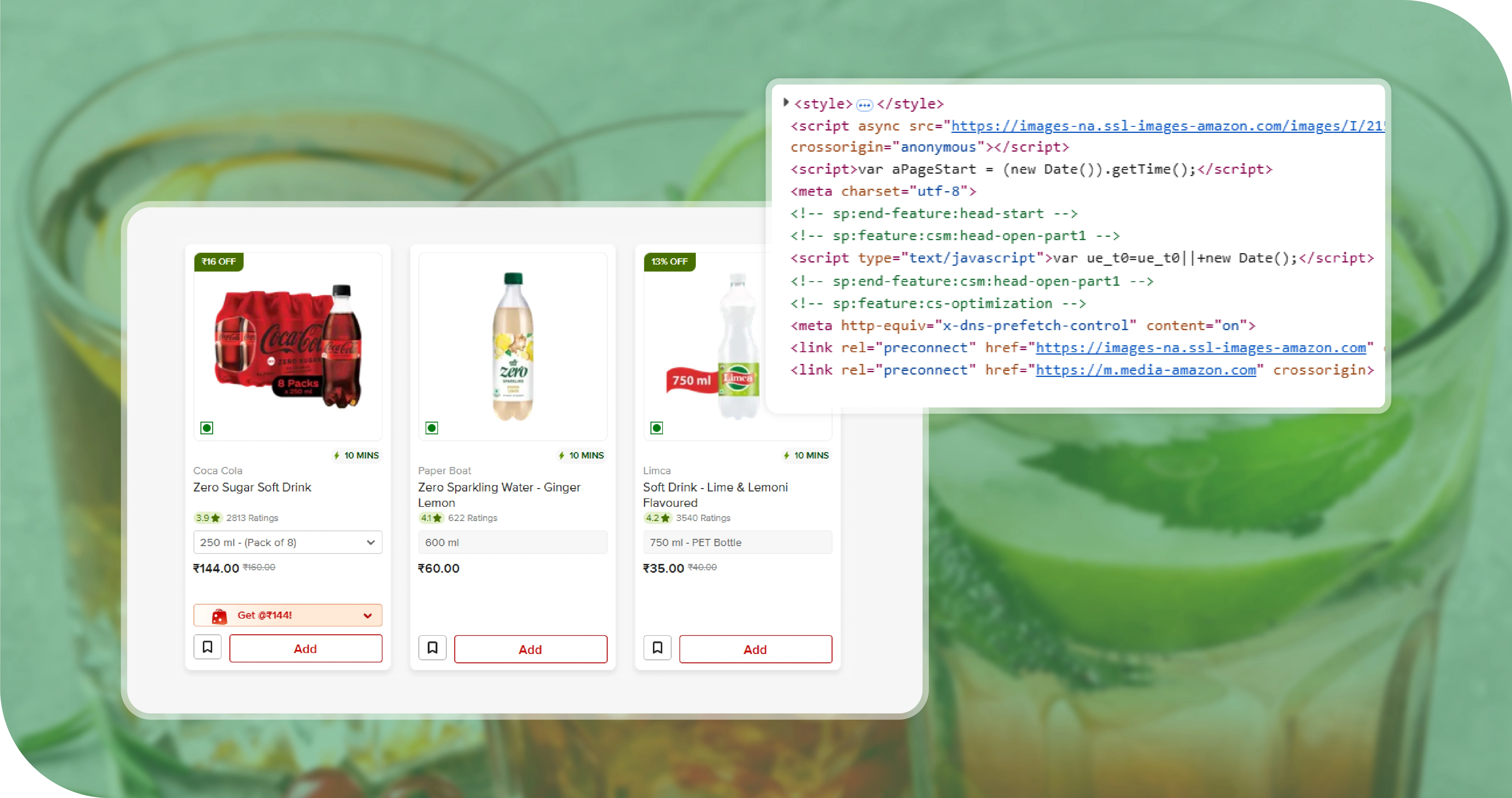
The Client
The client is a leading beverage manufacturing and distribution company focused on optimizing procurement efficiency and strengthening supply chain visibility across multiple regions. The organization manages large-scale production operations where raw material price volatility directly impacts overall profitability and margin planning. To address this challenge, the client adopted advanced data-driven solutions to enhance decision-making and cost control across sourcing functions.
By implementing Scrape beverage supply chain pricing data, the company achieved centralized visibility into supplier pricing variations across sugar, flavoring, and packaging categories.
This transformation enabled stronger Beverage cost intelligence across procurement teams, helping them identify cost trends, supplier inconsistencies, and negotiation opportunities in real time.
Additionally, Automated beverage input price tracking allowed the client to eliminate manual monitoring processes and shift toward continuous, system-driven insights for better forecasting and budgeting accuracy.
Overall, the client significantly improved operational efficiency, reduced procurement risks, and strengthened strategic sourcing capabilities through automated, scalable pricing intelligence systems.
Key Challenges
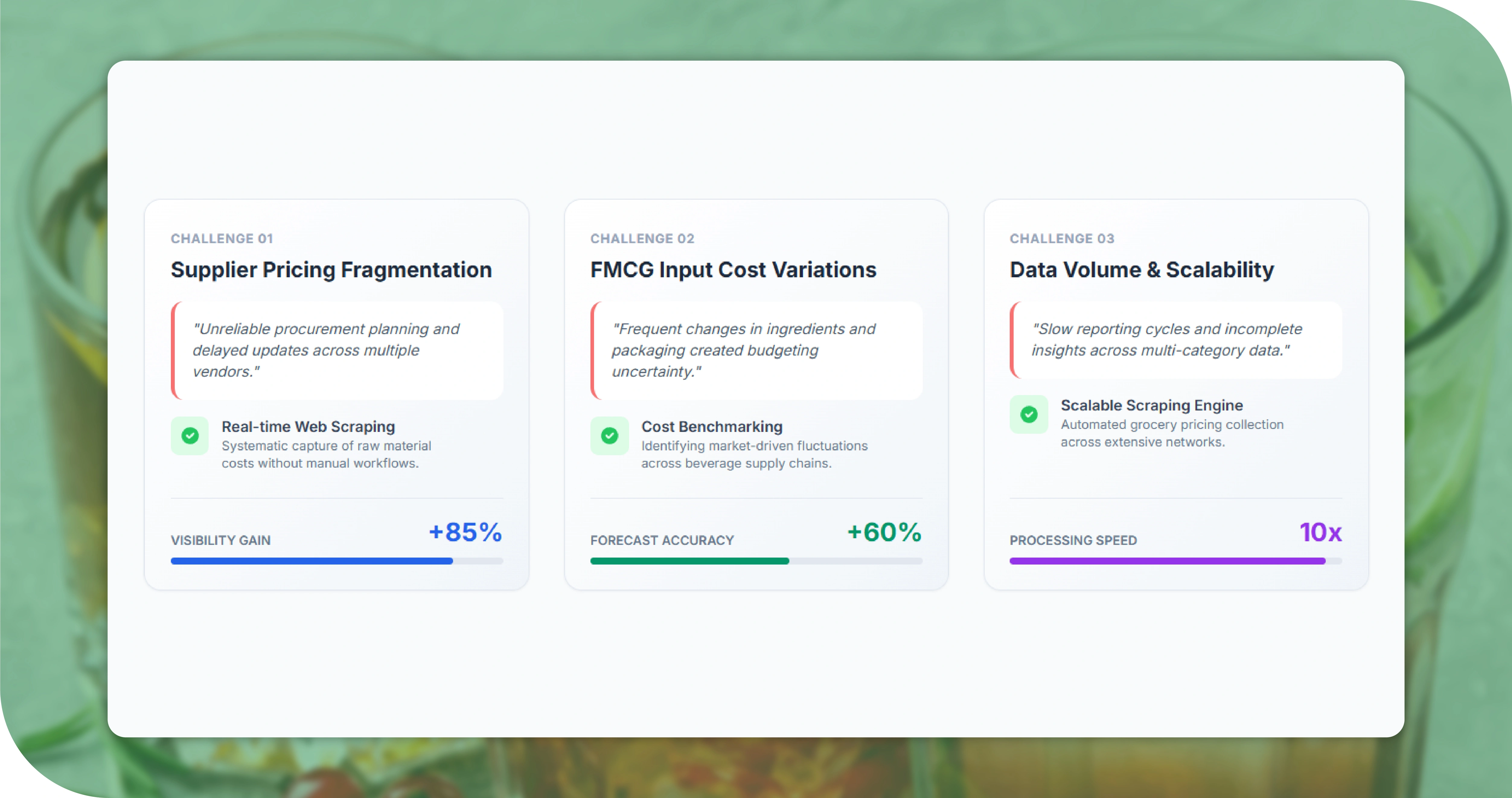
- Fragmented Supplier Pricing Updates
The client faced major challenges in maintaining consistent visibility into raw material costs across multiple vendors, which made procurement planning unreliable and delayed. By implementing Supplier pricing monitoring via web scraping, they were able to systematically capture real-time updates and reduce dependency on manual supplier communication workflows significantly. - Limited Visibility into FMCG Input Cost Variations
Frequent price changes in ingredients and packaging created uncertainty in budgeting and sourcing decisions, reducing forecasting accuracy. With improved Retail FMCG input cost tracking, the client gained better control over cost benchmarking and was able to identify market-driven fluctuations across beverage and retail supply chains more effectively. - Data Volume and Scalability Constraints
The client’s existing systems struggled to process large-scale, multi-category pricing data across suppliers, leading to incomplete insights and slow reporting cycles. Through Web Scraping Grocery Pricing Data at Scale, they achieved automated, scalable data collection, enabling faster analysis and stronger procurement intelligence across beverage and grocery networks.
Key Solutions
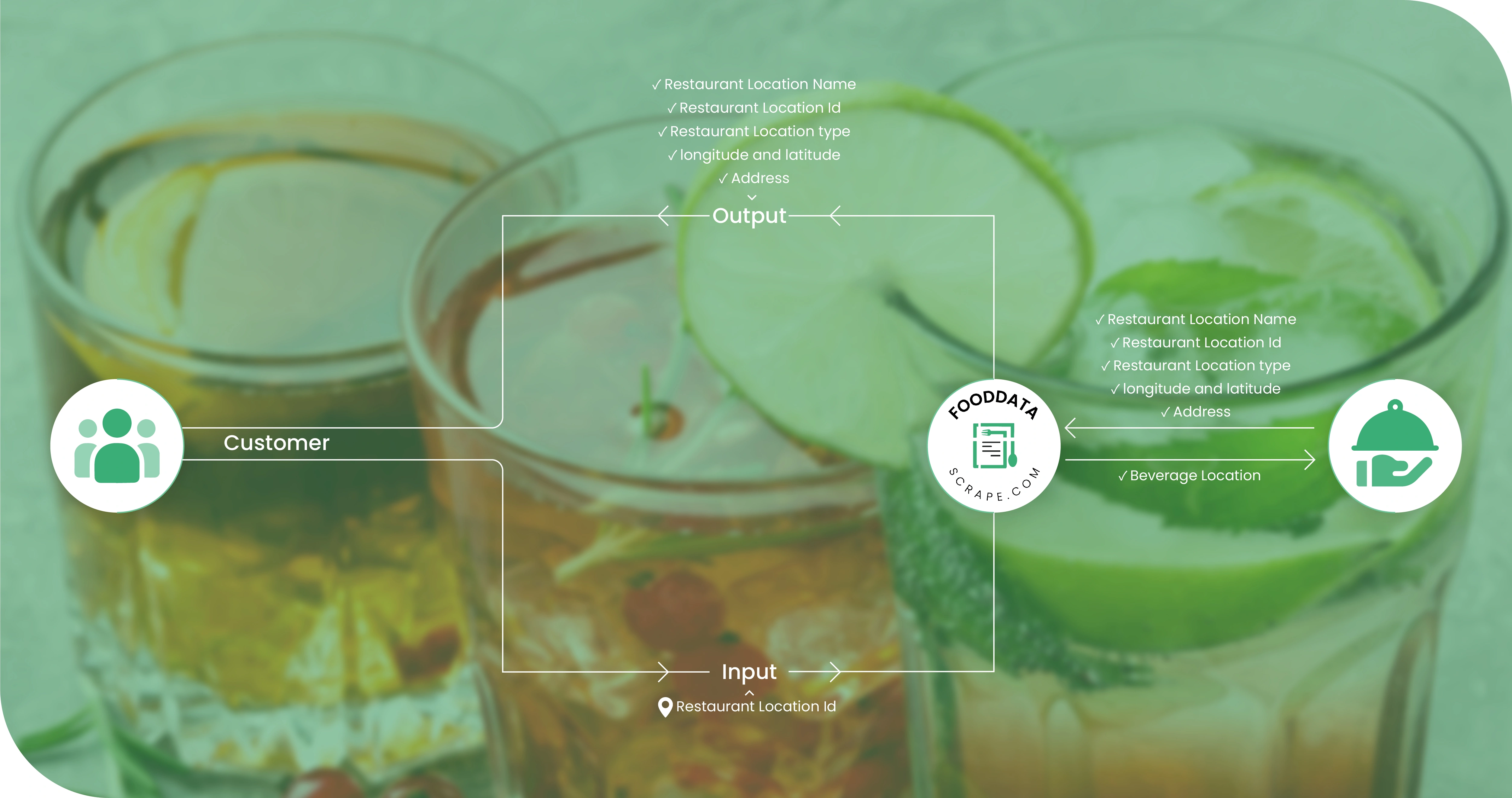
- Real-Time Data Integration Layer
We implemented a unified data ingestion system that continuously collects pricing signals from multiple grocery and beverage platforms, enabling standardized supplier insights and improving procurement accuracy across volatile markets using Grocery Delivery Extraction API, capturing structured real-time pricing directly from leading ingredient and packaging suppliers for better decision-making efficiency. - Centralized Price Intelligence System
We developed a consolidated analytics dashboard that brings ingredient and packaging cost data into a single structured interface, allowing procurement teams to compare supplier pricing efficiently and detect anomalies through across multiple global suppliers for improved transparency and cost control. - Automated Cost Monitoring and Analytics
We deployed an intelligent monitoring framework that tracks real-time price fluctuations across suppliers and categories, enabling forecasting and optimization through Grocery Price Tracking & Cost Dashboard, ensuring continuous visibility into supplier pricing trends and supporting proactive procurement strategy adjustments.
Sample Scraped Data Snapshot
| Product Category | Ingredient/Item | Supplier Name | Location | Unit Price (₹) | Last Updated | Price Change % |
|---|---|---|---|---|---|---|
| Beverage | Sugar | Bharat Ingredients | India | 45/kg | 2026-05-01 | +3.2% |
| Beverage | Flavoring | Aroma Foods Ltd | India | 120/litre | 2026-05-02 | -1.5% |
| Packaging | PET Bottles | PackTech Solutions | India | 8/unit | 2026-05-03 | +2.8% |
| Beverage | Sweetener | Natural Extracts Co | India | 150/kg | 2026-05-04 | +4.1% |
| Packaging | Labels | PrintFlex Packaging | India | 1.2/unit | 2026-05-05 | -0.9% |
Methodologies Used
- Multi-Source Data Aggregation Framework
We designed a multi-source data aggregation approach that collects pricing and supply chain information from diverse vendors and digital platforms. This ensured complete visibility, reduced data gaps, and provided a unified structure for analyzing beverage input cost trends accurately and consistently. - Automated Web Data Extraction System
We implemented an automated extraction pipeline that continuously captures structured pricing information from supplier portals and marketplaces. This eliminated manual intervention, improved data refresh frequency, and ensured high accuracy in tracking dynamic changes across beverage raw material supply networks. - Data Normalization and Standardization
We applied advanced normalization techniques to clean, transform, and standardize raw datasets collected from different sources. This allowed consistent comparison of supplier pricing, reduced inconsistencies, and ensured reliable analytics output for procurement and cost optimization workflows. - Real-Time Streaming Data Pipeline
We built a real-time data streaming architecture that processes continuous pricing updates from multiple sources. This enabled instant visibility into cost fluctuations, supporting faster decision-making and allowing procurement teams to respond quickly to market changes. - Scalable Cloud-Based Processing System
We deployed a scalable cloud infrastructure capable of handling large volumes of pricing data efficiently. This ensured high performance, seamless expansion across new suppliers, and uninterrupted processing of continuous data streams for long-term beverage cost monitoring operations.
Advantages of Collecting Data Using Food Data Scrape
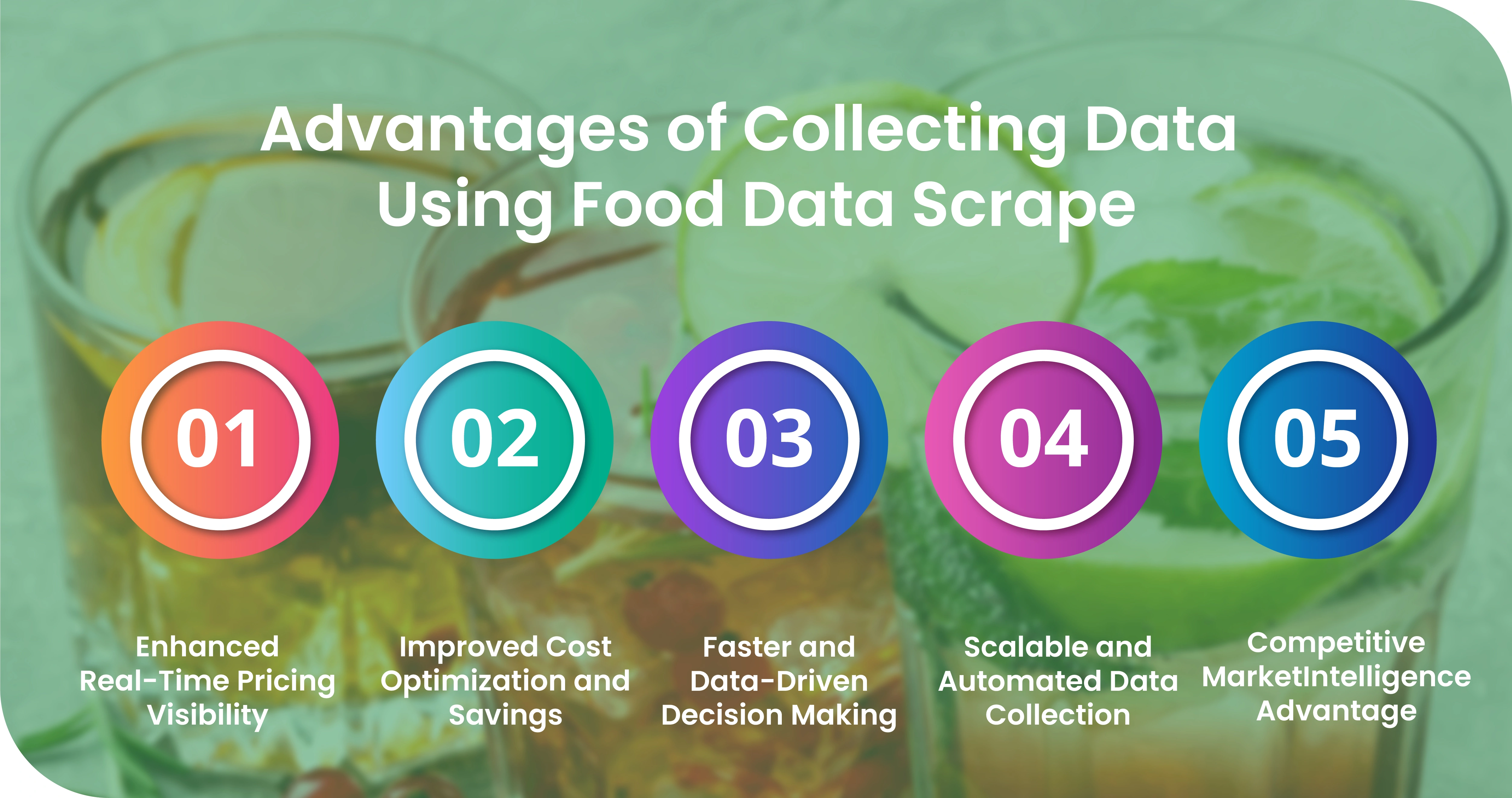
- Enhanced Real-Time Pricing VisibilityOur data scraping services enable businesses to access continuously updated pricing information across suppliers and markets. This improves visibility into cost fluctuations, supports faster procurement decisions, and helps organizations maintain competitive pricing strategies in dynamic and fast-changing industries.
- Improved Cost Optimization and SavingsBy leveraging structured data extraction, organizations can identify pricing variations and negotiate better supplier agreements. This leads to significant cost savings, optimized procurement strategies, and improved control over raw material expenses across large-scale supply chain operations efficiently.
- Faster and Data-Driven Decision MakingOur services eliminate delays caused by manual data collection, enabling real-time access to structured insights. This empowers procurement and analytics teams to make faster, evidence-based decisions that improve efficiency, reduce risks, and enhance overall business responsiveness.
- Scalable and Automated Data CollectionThe solution is designed to handle large volumes of data across multiple sources without manual intervention. This ensures seamless scalability, consistent performance, and reliable data flow even as business requirements and supplier networks continue to expand globally.
- Competitive Market Intelligence AdvantageBusinesses gain deep insights into market trends, supplier behavior, and price movements. This intelligence supports strategic planning, strengthens negotiation power, and provides a clear competitive advantage in highly volatile and price-sensitive markets across industries.
Client’s Testimonial
“Working with the team completely transformed how we monitor our raw material costs. Earlier, we relied on fragmented supplier updates and manual tracking, which often led to delays and inaccurate procurement decisions. After implementing their solution, we now have real-time visibility into pricing across sugar, flavoring, and packaging categories. The structured insights have significantly improved our budgeting accuracy and supplier negotiations. Their system is reliable, scalable, and highly efficient for our operations. It has truly streamlined our cost management process and strengthened our overall procurement strategy.”
— Head of Procurement
Final Outcome
The final outcome of the engagement delivered a fully automated and highly accurate procurement intelligence ecosystem for the client. By leveraging Grocery Data Intelligence, the organization achieved real-time visibility into supplier pricing trends, enabling faster decision-making and stronger cost control across beverage and FMCG categories. The integration of structured insights significantly improved forecasting accuracy, reduced manual dependency, and enhanced negotiation power with suppliers. Additionally, curated Grocery Datasets provided a reliable foundation for advanced analytics, benchmarking, and long-term strategic planning. Overall, the client experienced improved operational efficiency, optimized procurement costs, and greater agility in responding to market fluctuations, resulting in a more data-driven and competitive supply chain management framework across all sourcing activities.