The Client
The client is a rapidly expanding quick-service restaurant (QSR) chain operating through company-owned and franchise outlets across multiple metropolitan markets. As competition intensified, the brand required a centralized system to monitor competitor menu pricing, promotional campaigns, combo offerings, and product introductions in real time. Existing manual tracking methods were inconsistent and unable to provide timely market intelligence for pricing decisions. By implementing a QSR menu pricing intelligence platform, the client gained continuous visibility into competitor pricing structures, menu changes, and regional product variations. This enabled category managers and franchise operators to make faster, evidence-based pricing and promotional decisions. Through restaurant pricing and menu benchmarking, the company compared menu performance across competing brands while identifying pricing gaps and emerging food trends. Additionally, the restaurant competitor tracking dashboard delivered automated alerts, historical comparisons, and visual analytics, helping leadership teams optimize menu strategies, improve franchise consistency, strengthen competitive positioning, and drive sustainable revenue growth across diverse regional markets with greater operational efficiency.
Key Challenges
-
Inconsistent Competitor Data Collection
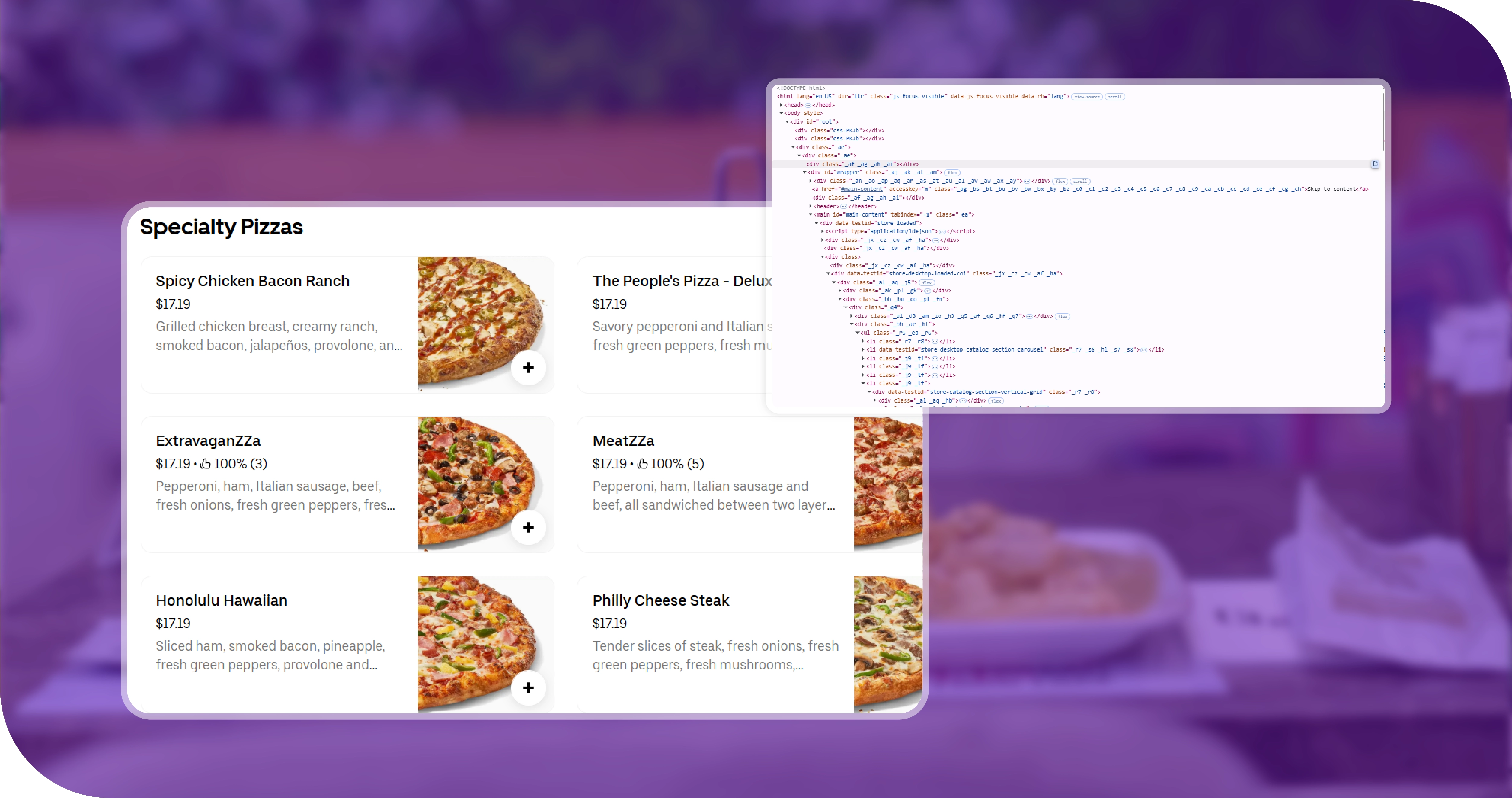
The client faced major challenges with menu tracking for multi-location restaurant chains because competitor menus varied across regions and franchise outlets. Collecting accurate information manually consumed significant time, produced inconsistent datasets, and prevented teams from maintaining a reliable market-wide pricing comparison. -
Slow Response to Market Changes
Without Real-time Menu Data Scraping for QSR Chains, competitor discounts, combo updates, and seasonal menu launches were often identified after they had already influenced customer purchasing behavior. This delayed response reduced the effectiveness of promotional planning and pricing optimization across multiple operating regions. -
Fragmented Decision-Making Across Franchises
The absence of Live Competitor Menu Change monitoring meant franchise managers depended on outdated reports and local observations. Different teams made pricing and menu decisions using incomplete information, creating inconsistencies in competitive positioning, promotional execution, and overall customer value perception across the restaurant network.
Key Solutions
-
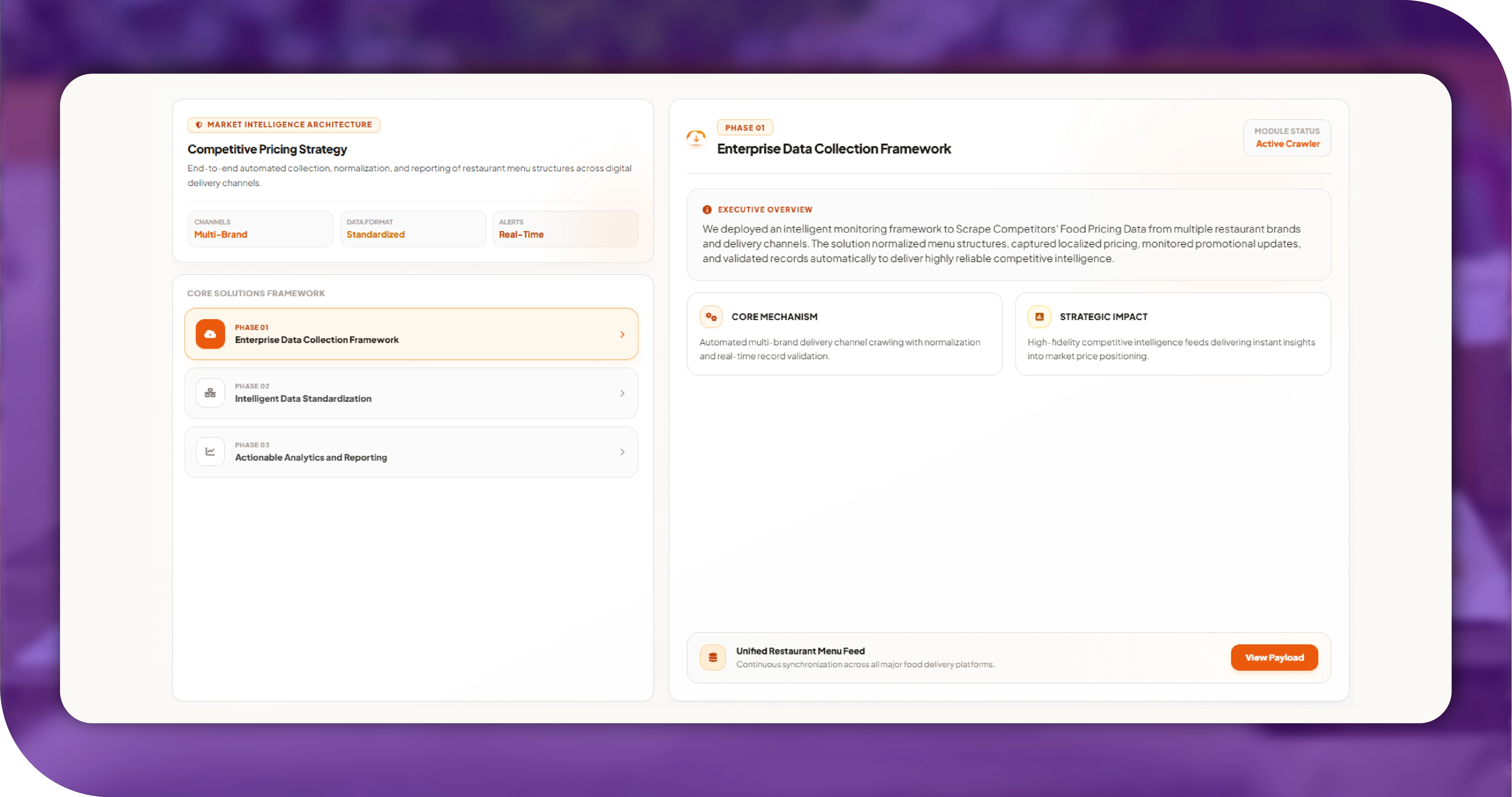
Enterprise Data Collection Framework
We deployed an intelligent monitoring framework to Scrape Competitors' Food Pricing Data from multiple restaurant brands and delivery channels. The solution normalized menu structures, captured localized pricing, monitored promotional updates, and validated records automatically to deliver highly reliable competitive intelligence. -
Intelligent Data Standardization
Our team created a comprehensive Menu Pricing Dataset by organizing product names, meal categories, pricing, discounts, availability, and nutritional attributes into a unified format. This eliminated inconsistencies between competitors and enabled accurate cross-brand analysis for pricing and menu strategy. -
Actionable Analytics and Reporting
Using Restaurant Menu Data Scraping, we delivered interactive dashboards, scheduled reports, and instant alerts for price revisions, new menu launches, discontinued products, and promotional campaigns. Business teams could rapidly evaluate competitor movements and optimize pricing decisions with confidence.
Restaurant Menu Data Coverage
| Restaurant Brand | City | Outlet ID | Menu Category | Menu Item | Regular Price ($) | Discount Price ($) | Discount % | Combo Available | Promotion Type | Availability | Delivery Fee ($) | Estimated Delivery (Min) | Customer Rating | Review Count | Last Updated |
|---|---|---|---|---|---|---|---|---|---|---|---|---|---|---|---|
| McDonald's | New York | MC1021 | Burgers | Big Mac | 8.99 | 7.99 | 11 | Yes | Buy 1 Get 1 | In Stock | 2.49 | 28 | 4.6 | 18,540 | 10:30 AM |
| Burger King | Chicago | BK2045 | Burgers | Whopper | 9.49 | 8.29 | 13 | Yes | Combo Meal | In Stock | 1.99 | 30 | 4.5 | 15,820 | 10:35 AM |
| KFC | Dallas | KF3188 | Fried Chicken | 10 Pc Bucket | 18.99 | 16.99 | 11 | Yes | Family Bucket | In Stock | 2.99 | 31 | 4.7 | 21,640 | 10:40 AM |
| Subway | Miami | SW4276 | Sandwiches | Chicken Teriyaki | 8.29 | 7.49 | 10 | No | Flat Discount | In Stock | 1.79 | 24 | 4.4 | 9,540 | 10:45 AM |
| Domino's Pizza | Seattle | DP5392 | Pizza | Pepperoni Pizza | 15.99 | 13.99 | 13 | Yes | Pizza Combo | In Stock | 2.49 | 29 | 4.6 | 17,820 | 10:50 AM |
| Pizza Hut | Boston | PH6415 | Pizza | Supreme Pizza | 16.49 | 14.49 | 12 | Yes | Weekend Deal | In Stock | 2.29 | 33 | 4.5 | 14,760 | 10:55 AM |
| Taco Bell | Atlanta | TB7588 | Mexican | Crunchwrap Supreme | 7.99 | 6.99 | 13 | Yes | Meal Deal | Limited | 1.99 | 22 | 4.5 | 11,940 | 11:00 AM |
| Chick-fil-A | Houston | CF8640 | Chicken | Chicken Sandwich | 8.49 | 7.99 | 6 | No | App Offer | In Stock | 2.19 | 20 | 4.8 | 22,510 | 11:05 AM |
| Wendy's | Denver | WD9732 | Burgers | Dave's Single | 8.79 | 7.89 | 10 | Yes | Combo Discount | In Stock | 2.09 | 25 | 4.5 | 12,430 | 11:10 AM |
| Popeyes | Phoenix | PP1084 | Fried Chicken | Spicy Chicken Combo | 11.99 | 10.49 | 13 | Yes | Limited-Time Offer | In Stock | 2.59 | 27 | 4.6 | 13,870 | 11:15 AM |
| Five Guys | Orlando | FG1146 | Burgers | Bacon Cheeseburger | 12.99 | 11.99 | 8 | No | Loyalty Offer | In Stock | 2.99 | 26 | 4.7 | 8,920 | 11:20 AM |
| Sonic Drive-In | San Diego | SD1251 | Beverages | Cherry Limeade Combo | 9.29 | 8.29 | 11 | Yes | Happy Hour | In Stock | — | — | — | — | — |
Methodologies Used
-
Geographic Market Coverage
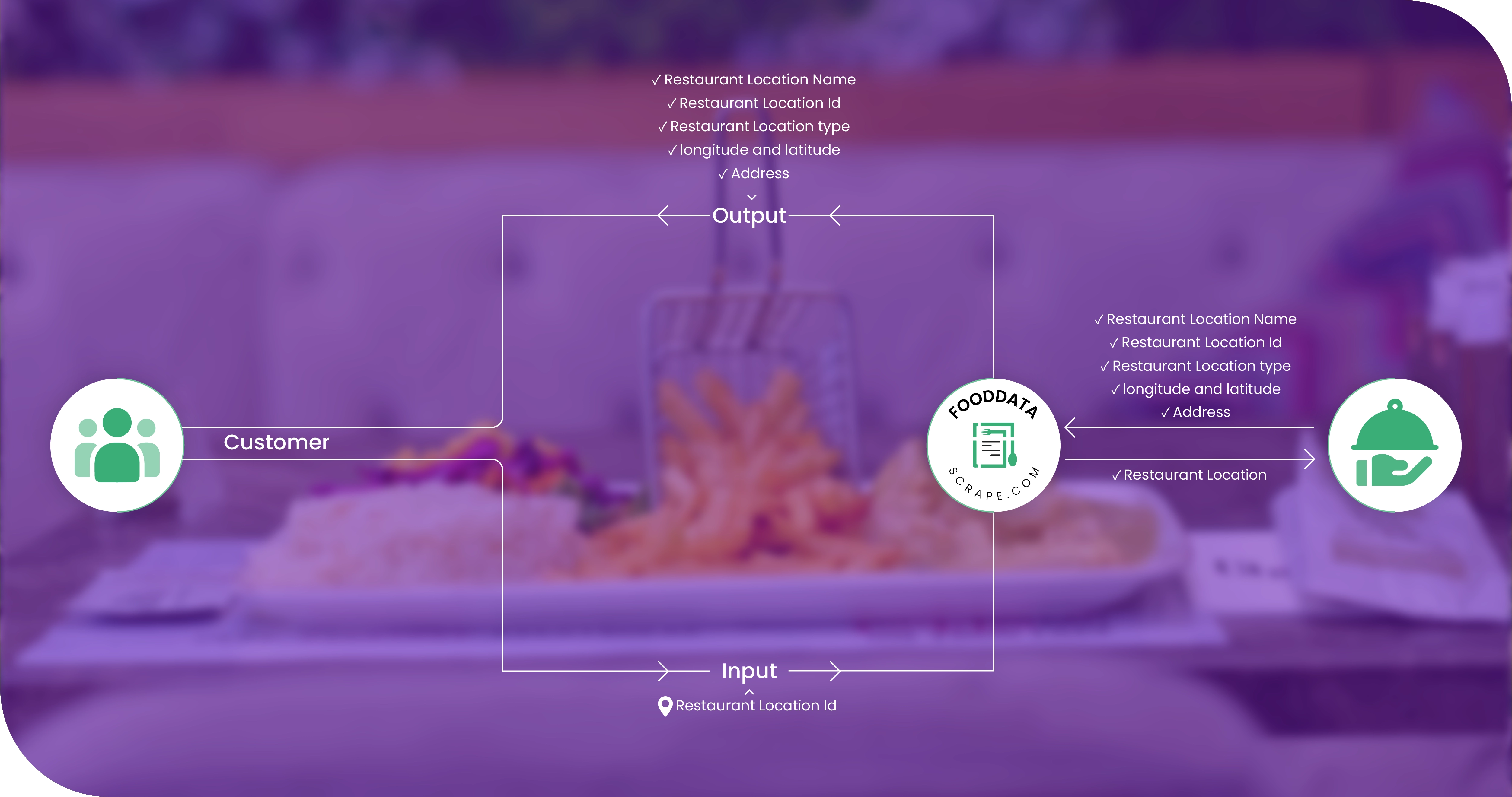
We established a location-based monitoring framework covering hundreds of restaurant outlets across multiple cities. The approach captured regional pricing differences, localized menu offerings, seasonal promotions, and store-specific product availability, providing a comprehensive view of competitive market dynamics. -
High-Frequency Data Synchronization
Our system performed scheduled data synchronization throughout the day, ensuring that every menu update, promotional campaign, and pricing adjustment was captured with minimal delay. This maintained an always-current competitive dataset for business intelligence and operational planning. -
Historical Trend Repository
We maintained a structured historical database that preserved previous menu versions, pricing records, promotional campaigns, and product lifecycle changes. This enabled long-term trend analysis, inflation monitoring, seasonal comparisons, and measurement of competitor pricing strategies over time. -
Comparative Performance Modeling
We developed analytical models to compare competitor performance across categories, regions, and restaurant formats. These models identified pricing gaps, promotional intensity, product assortment differences, and category-wise competitive strengths, supporting more informed pricing and merchandising decisions. -
Scalable Data Delivery Infrastructure
The processed intelligence was delivered through secure APIs, downloadable datasets, automated reports, and customizable dashboards. Flexible delivery options allowed business teams, franchise operators, analysts, and executives to seamlessly integrate competitive insights into their existing decision-making workflows.
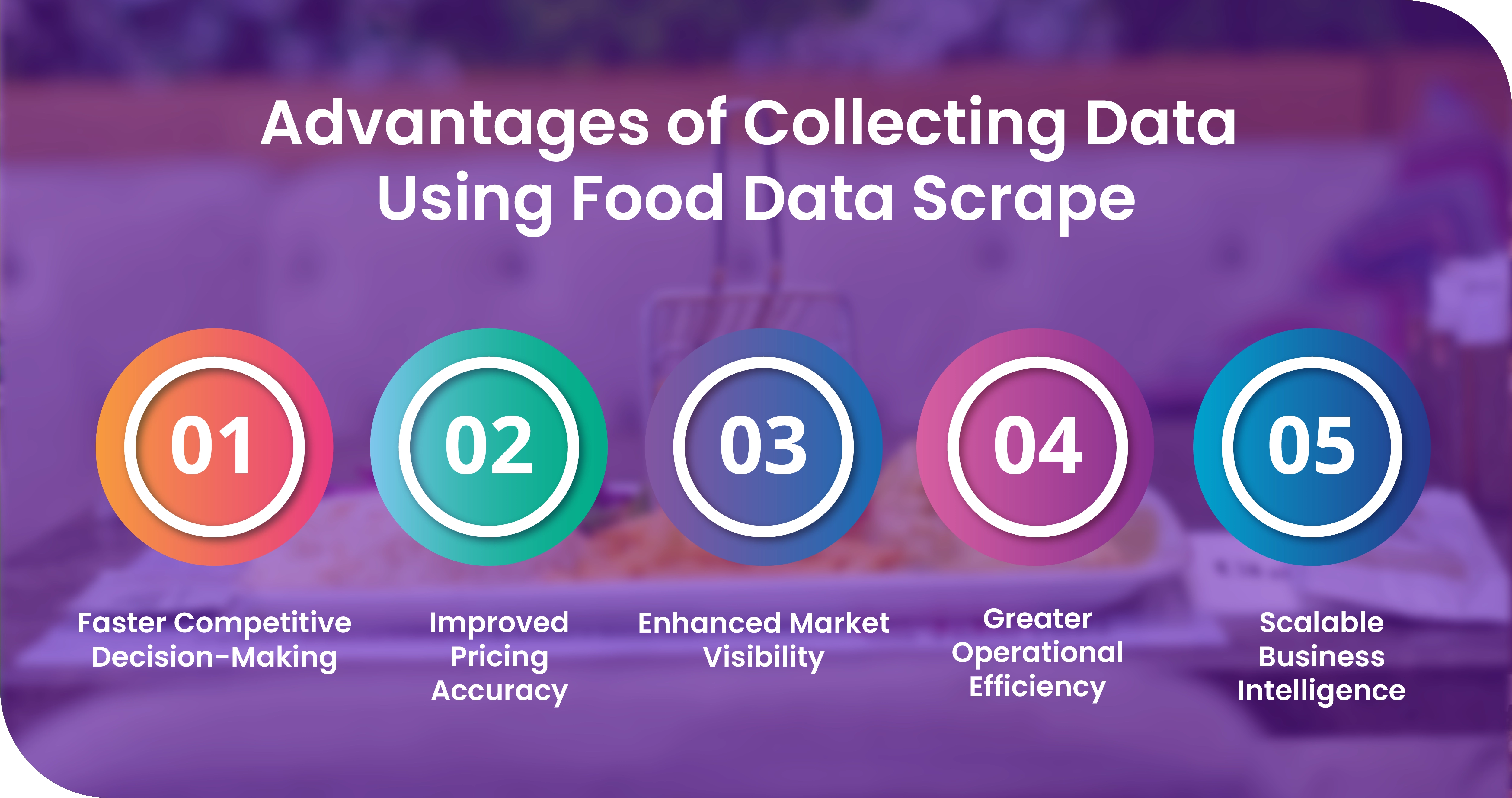
Advantages of Collecting Data Using Food Data Scrape
-
Faster Competitive Decision-Making
Our data services provide continuously updated market intelligence, enabling businesses to identify competitor movements quickly. Timely access to reliable information helps pricing teams, marketing managers, and executives make proactive decisions that strengthen competitiveness and improve overall business performance. -
Improved Pricing Accuracy
Accurate and standardized market data allows organizations to evaluate pricing across multiple competitors and regions. Businesses can confidently adjust product prices, optimize promotional campaigns, and maintain profitability while remaining attractive to customers in highly competitive restaurant markets. -
Enhanced Market Visibility
Comprehensive data collection delivers complete visibility into product assortments, promotional activities, menu changes, and regional variations. This broader market perspective helps organizations recognize emerging trends, uncover growth opportunities, and respond effectively to changing customer preferences. -
Greater Operational Efficiency
Automated data collection eliminates repetitive manual research, reducing operational workload and minimizing human errors. Internal teams spend more time analyzing actionable insights instead of gathering information, resulting in faster workflows, improved productivity, and better resource utilization. -
Scalable Business Intelligence
Our solutions are designed to support businesses of every size, from regional restaurant chains to global enterprises. As operations expand, the data infrastructure scales seamlessly, ensuring consistent intelligence, reliable reporting, and uninterrupted access to valuable competitive insights across multiple markets.
Client's Testimonial
"The competitive menu intelligence solution has significantly improved the way we monitor our market. The accuracy, speed, and consistency of the data have helped us respond quickly to pricing changes, promotional campaigns, and new product launches across multiple regions. The automated dashboards and timely reports have reduced manual effort while providing actionable insights for our pricing and marketing teams. Their professionalism, technical expertise, and commitment to delivering high-quality data have exceeded our expectations. This partnership has strengthened our decision-making process and enhanced our competitive positioning in an increasingly dynamic QSR market."
—Director of Revenue Strategy & Market Intelligence
Final Outcome
The implemented solution transformed the client's competitive intelligence capabilities by delivering accurate, timely, and scalable menu data across multiple restaurant brands and locations. Automated monitoring eliminated manual data collection, improved operational efficiency, and provided continuous visibility into pricing changes, promotional campaigns, product launches, and regional menu variations. Business teams gained access to reliable insights that supported faster pricing decisions, optimized promotional planning, and enhanced menu positioning. Historical data analysis enabled long-term trend identification and more effective forecasting of competitor strategies. The centralized intelligence platform improved collaboration between franchise operators, category managers, and executive leadership while ensuring consistent decision-making across all markets. As a result, the client strengthened its competitive position, increased responsiveness to market changes, improved pricing accuracy, enhanced customer value, and achieved sustainable revenue growth through data-driven business strategies.