About the Client
The client was a multi-category retail business seeking deeper visibility into competitor promotions across grocery, foodservice, packaged foods, and consumer products. Its existing promotional intelligence relied heavily on manual monitoring, making it difficult to maintain consistent historical records or compare campaigns across competitors. The company wanted a structured system capable of supporting grocery competitor promotion tracking.
The business also required reliable insights for retail promotion calendar analysis across different categories, retailers, and campaign periods. Its teams needed to understand promotional timing, discount levels, offer frequency, and seasonal campaign patterns.
The company further aimed to build competitor promotion calendar intelligence that could support faster strategic decisions. The objective was to collect promotional information from multiple digital sources and standardize it into a centralized dataset containing product names, prices, discounts, campaign dates, offer types, categories, and retailer names. Food Data Scrape delivered an automated framework aligned with these requirements.
Key Challenges
-
Fragmented Promotional Information
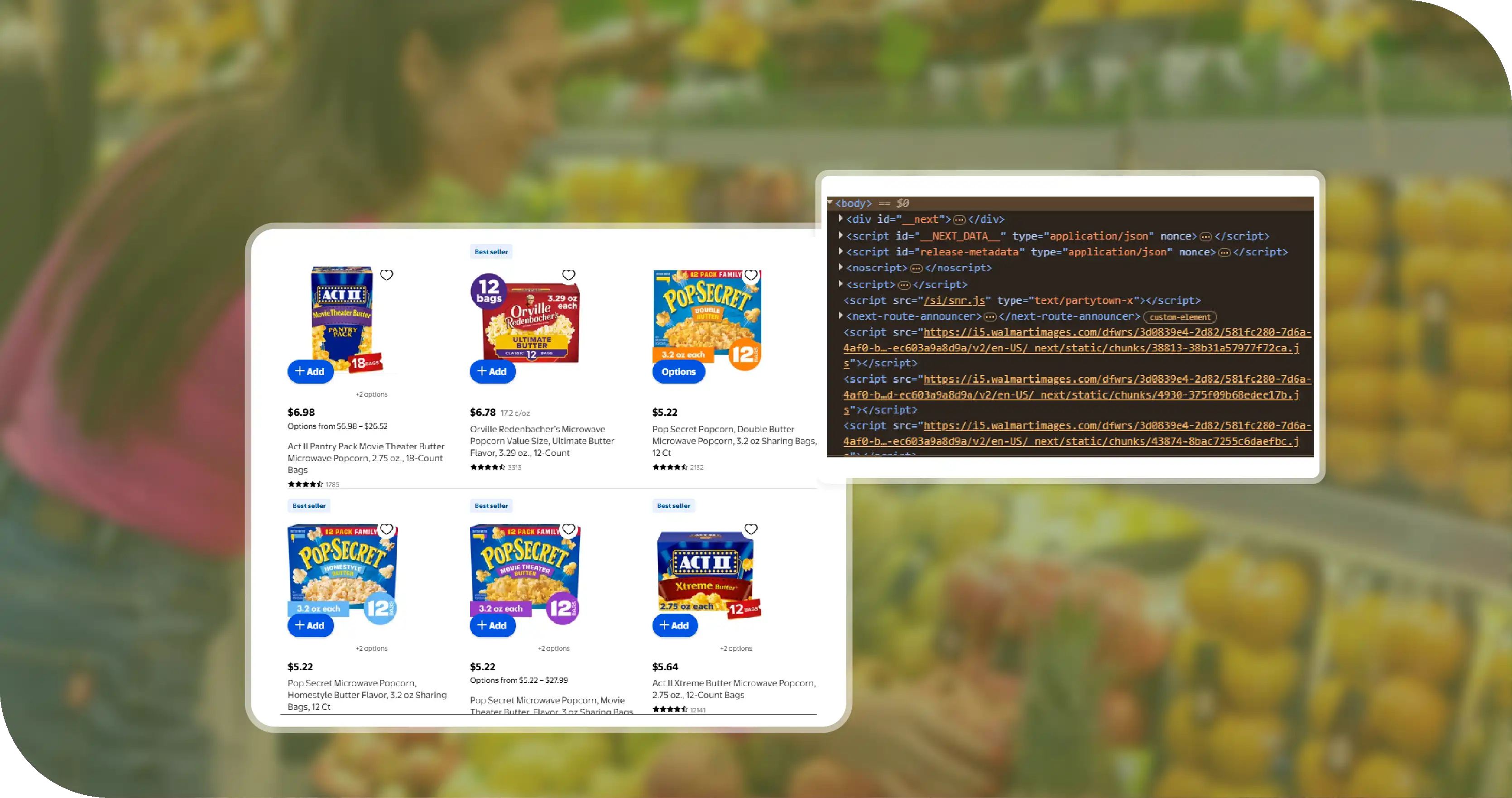
Promotional information was distributed across retailer websites, food platforms, promotional landing pages, banners, and individual product pages. Collecting scraped data for food promotion consistently required multiple extraction approaches while preserving product, retailer, discount, campaign, and date relationships across sources. -
Changing Discount Patterns
Competitors frequently changed prices, promotional mechanics, and campaign durations. Trend Promo Discount Monitoring therefore required regular collection and normalization of promotional records so the client could distinguish temporary offers, recurring campaigns, deep discounts, bundle promotions, and longer-running promotional strategies accurately. -
Limited-Time Campaign Visibility
Short-duration offers could disappear before analysts manually captured them. The strategy to Scrape Restaurant Promotions And Offers Data helped address this challenge by collecting promotional details systematically, including campaign timing, offer descriptions, discount values, participating products, and retailer information before limited campaigns expired.
Key Solutions
-
Historical Offer Collection
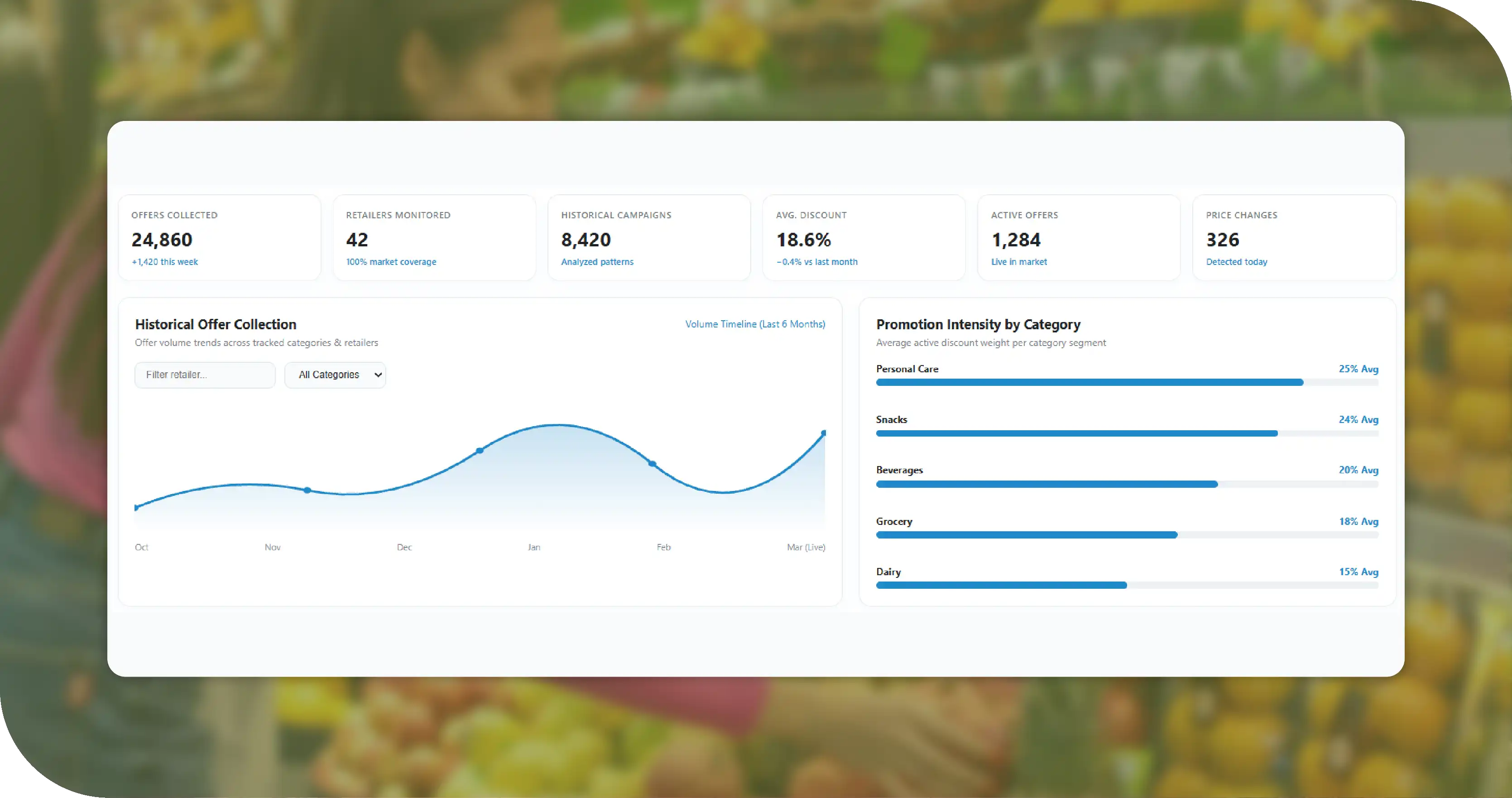
The project created a structured promotional dataset covering products, retailers, campaign periods, offer types, and discount values. Scrape Limited-Time Offers Data to help preserve short-lived promotions and provided the historical depth required for comparing campaign frequency, timing, and promotional intensity. -
Demand-Oriented Promotion Intelligence
Collected promotional histories were standardized and prepared for analytical workflows supporting AI Demand Forecasting. Historical discount patterns, seasonal campaigns, category behavior, and competitor activity could be evaluated together to improve demand planning and promotional decision-making. -
Continuous Competitive Monitoring
Automated collection enabled regular updates across selected retail and food sources. Real-Time Price Monitoring provided a complementary layer for identifying current price movements, promotional changes, and competitive offers, helping teams react faster when market conditions changed.
Promotional Data Coverage
| Data Metric | Before Automation | After Implementation | Improvement |
|---|---|---|---|
| Retailers Monitored | 8 | 32 | 300% |
| Product Records Collected | 12,500 | 185,000 | 1,380% |
| Promotional Records | 4,800 | 76,500 | 1,494% |
| Categories Covered | 15 | 48 | 220% |
| Daily Data Points | 2,100 | 24,000 | 1,043% |
| Historical Months Available | 3 | 24 | 700% |
| Offer Types Identified | 9 | 27 | 200% |
| Average Collection Frequency | Weekly | Daily | 7× |
| Manual Monitoring Hours/Week | 32 | 6 | 81.25% reduction |
| Promotional Price Fields | 4 | 12 | 200% |
| Competitor Campaigns Tracked | 65 | 1,240 | 1,808% |
| Limited-Time Offers Captured | 120 | 3,850 | 3,108% |
Methodologies Used
-
Multi-Source Data Extraction
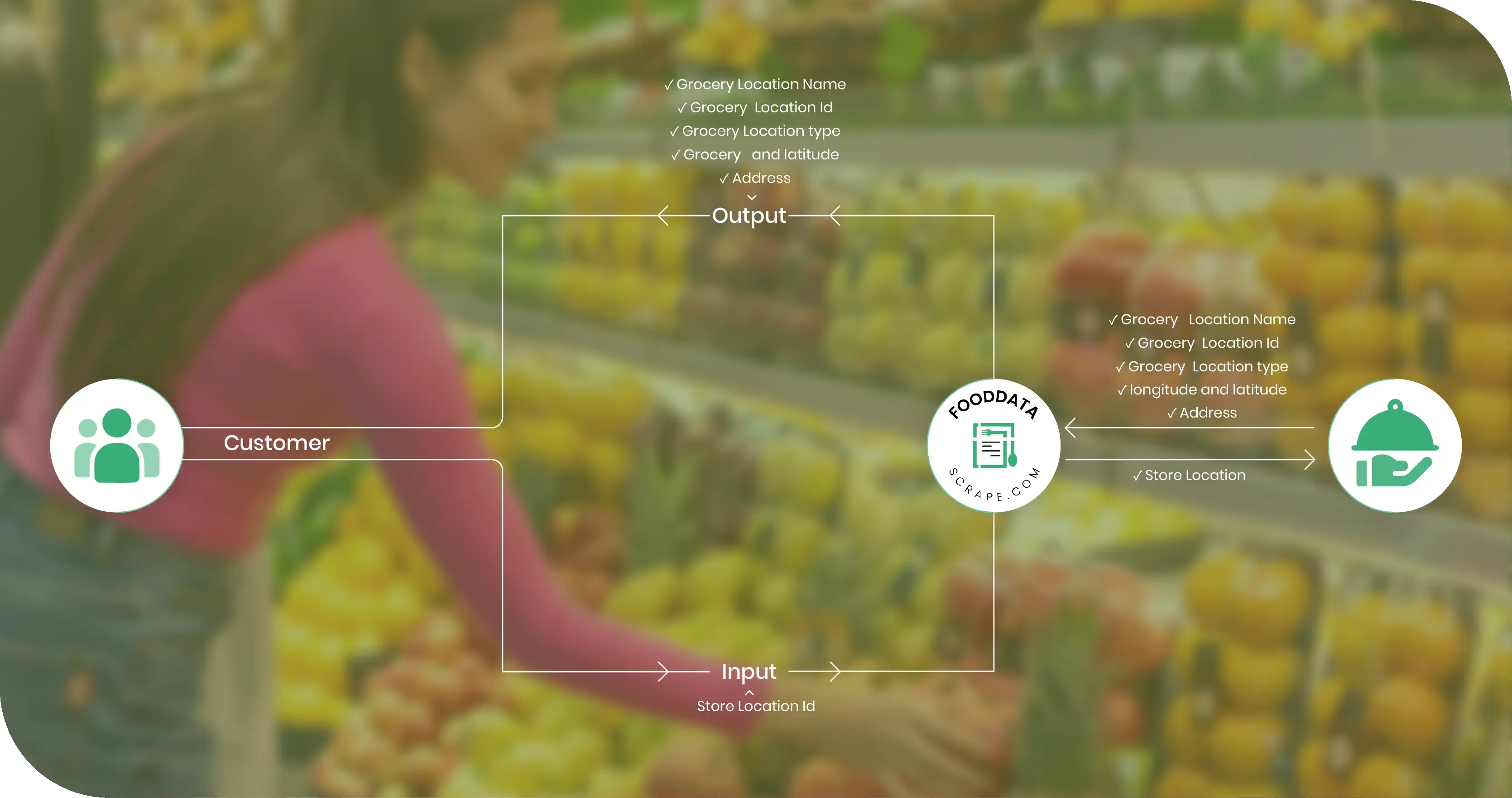
Food Data Scrape collected promotional information from multiple digital sources using source-specific extraction methods. Product names, prices, discounts, offer descriptions, campaign dates, categories, and retailer details were captured systematically to create a comprehensive competitive promotion dataset. -
Data Cleaning and Standardization
Raw promotional records were normalized to resolve inconsistent product names, retailer labels, category structures, currency formats, and discount representations. Standardized fields allowed analysts to compare promotional campaigns across competitors without being affected by source-specific formatting differences. -
Historical Dataset Reconstruction
Available current and archived promotional information was organized chronologically to reconstruct campaign histories. This approach helped identify recurring promotions, seasonal activity, discount cycles, campaign duration, and changes in competitor promotional strategies over time. -
Promotional Classification
Offers were categorized according to promotional mechanics such as percentage discounts, fixed-price deals, bundles, buy-one-get-one offers, coupons, and limited-time campaigns. Classification enabled the client to compare promotional strategies at product, category, retailer, and campaign levels. -
Automated Quality Validation
Automated checks were incorporated to identify missing values, duplicate records, unusual prices, invalid discounts, and inconsistent campaign dates. Validation improved dataset reliability and ensured that promotional intelligence could support pricing analysis, competitor benchmarking, and planning decisions.
Advantages of Collecting Data Using Food Data Scrape
-
Wider Competitive Visibility
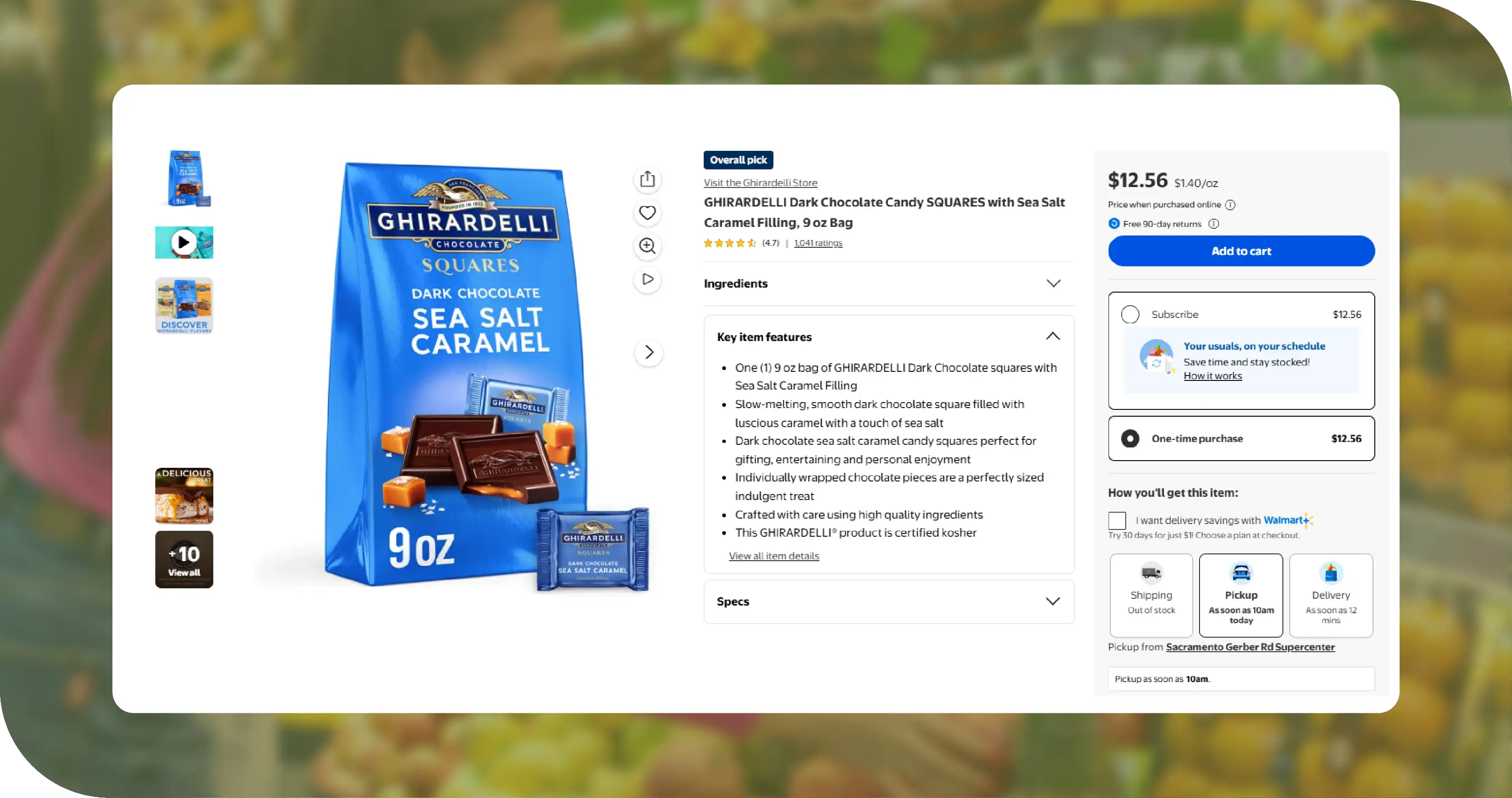
Food Data Scrape enabled the client to monitor promotional activity across substantially more retailers and categories than manual processes could practically support. Broader coverage provided a stronger understanding of competitor positioning, promotional intensity, and changing market behavior. -
Faster Promotional Decisions
Automated data collection reduced the delay between competitor activity and internal analysis. Marketing and pricing teams could access structured promotional information sooner, allowing them to evaluate campaigns and make faster adjustments to their own promotional strategies. -
Stronger Historical Insights
A centralized promotional dataset created a reliable historical foundation for comparing campaign performance and competitor behavior. Teams could examine seasonal trends, recurring offers, discount depth, campaign frequency, and category-level promotional changes across extended periods. -
Reduced Manual Work
Automation significantly reduced repetitive monitoring and spreadsheet preparation. Instead of manually checking numerous websites and promotional pages, analysts could work with standardized records, allowing valuable team time to shift toward interpretation, strategy development, and decision-making. -
Scalable Intelligence Infrastructure
The solution was designed to support additional retailers, categories, products, and promotional fields as business requirements expanded. This scalability enabled the client to grow its competitive intelligence program without proportionally increasing manual data collection resources.
Client's Testimonial
"Food Data Scrape transformed the way we understand competitor promotions. Previously, our teams spent significant time checking individual websites and promotional pages, yet we still lacked a dependable historical view. The structured dataset gave us a much clearer picture of campaign timing, discount depth, product-level promotions, and competitor behavior. We particularly valued the ability to compare promotional patterns across retailers and identify recurring seasonal opportunities. The automated collection process also reduced manual monitoring substantially and helped our analysts focus more on strategic decisions rather than data gathering. The quality and consistency of the delivered data made it much easier for our pricing and marketing teams to collaborate and respond quickly to competitive changes."
—Head of Pricing & Competitive Intelligence
Final Outcome
The project gave the client a centralized, structured, and scalable promotional intelligence dataset covering thousands of products, campaigns, retailers, and historical promotional events. Automated collection dramatically increased promotional coverage while reducing dependence on manual monitoring. The reconstructed promotional history allowed analysts to identify recurring campaigns, seasonal patterns, discount trends, and competitor pricing behavior with greater confidence. Daily data updates also improved visibility into current promotional changes and limited-time offers. Marketing teams could use these insights to benchmark campaign timing and promotional depth, while pricing teams gained stronger evidence for competitive decision-making. Overall, the solution transformed fragmented promotional information into actionable intelligence, enabling faster analysis, more informed promotional planning, stronger competitor monitoring, and a scalable foundation for future pricing and demand analytics initiatives.