The Client
The client was a growing food-tech and restaurant intelligence company seeking a reliable way to understand promotional activity across leading food delivery platforms. Its business teams needed greater visibility into restaurant pricing, discounts, promotional campaigns, and customer-facing offers that changed frequently across locations and platforms.
To strengthen its competitive research capabilities, the client wanted centralized and structured data that could reveal how restaurants used promotions to attract customers and how discount strategies differed between delivery apps. A major requirement was actionable food delivery pricing and promotion analytics, enabling the team to compare offers, identify pricing patterns, and evaluate promotional competitiveness.
The client also needed comprehensive Restaurant Discount Tracking Across Delivery Apps to monitor restaurant-level discounts, deal structures, minimum order requirements, and promotional conditions. In addition, the project focused on Tracking Promo Codes Across Delivery Apps scrape, helping capture changing coupon codes and promotional offers systematically. This data ultimately supported faster competitive analysis, campaign benchmarking, and better promotional decision-making.
Key Challenges
-
Fragmented Promotional Data
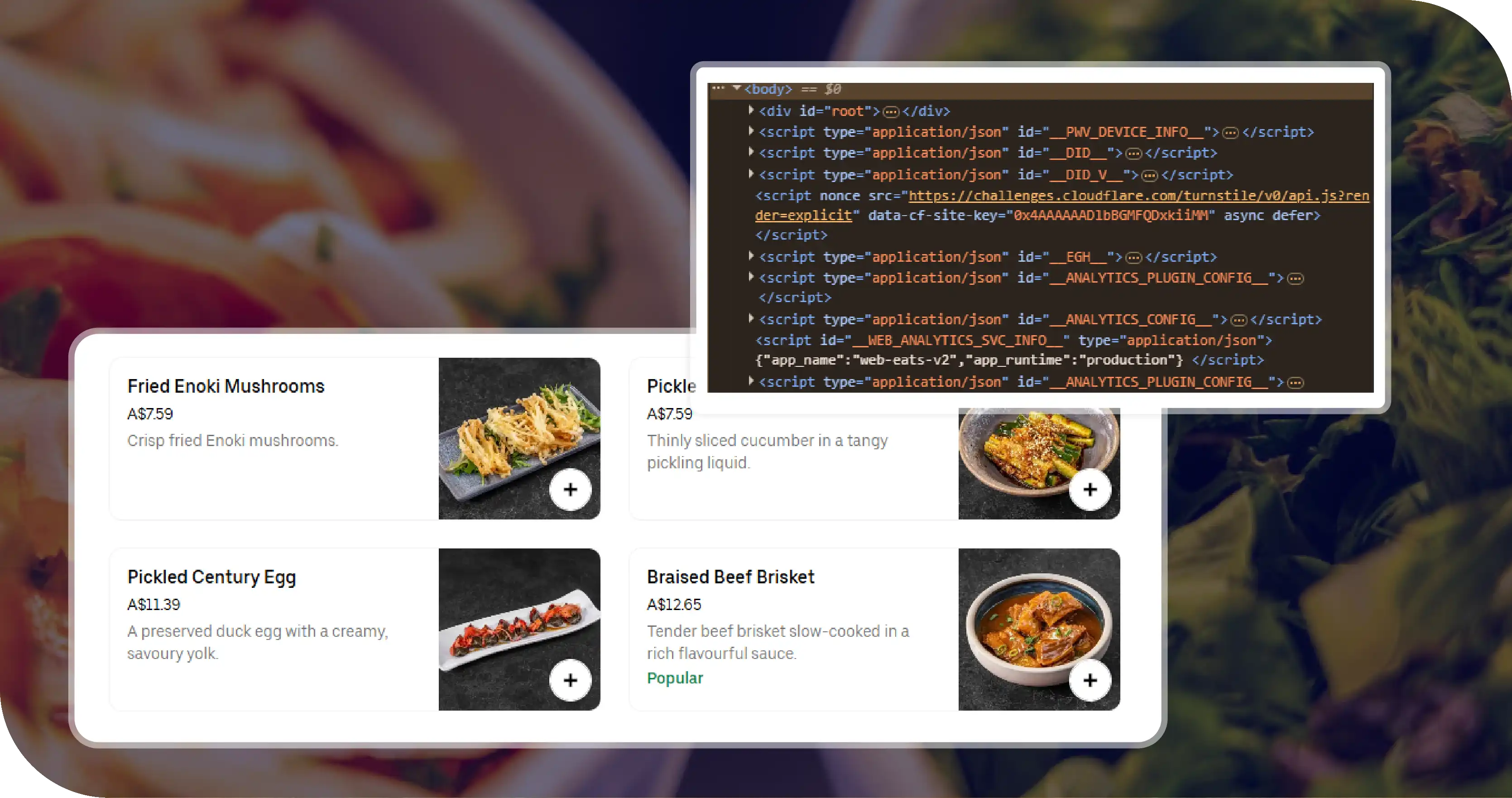
The client struggled to consolidate changing discounts, coupon codes, restaurant offers, and campaign conditions across multiple delivery platforms. Building reliable Food Delivery Pricing and Promotion Intelligence was difficult because promotional information varied by restaurant, location, customer segment, and time. -
Fast-Changing Limited Offers
Promotions frequently appeared and disappeared within short periods, making historical tracking difficult. The client needed to Scrape Limited-Time Offers Data consistently to capture flash deals, temporary discounts, promotional windows, minimum order values, and eligibility conditions before those offers expired. -
Mobile-First Data Accessibility
Much of the relevant promotional information was dynamically presented through mobile applications rather than easily accessible web pages. Conventional scraping methods struggled with changing interfaces, dynamic content, and app-specific workflows, creating a need for robust Mobile App Scraping capabilities.
Key Solutions
-
Centralized Promotion Intelligence
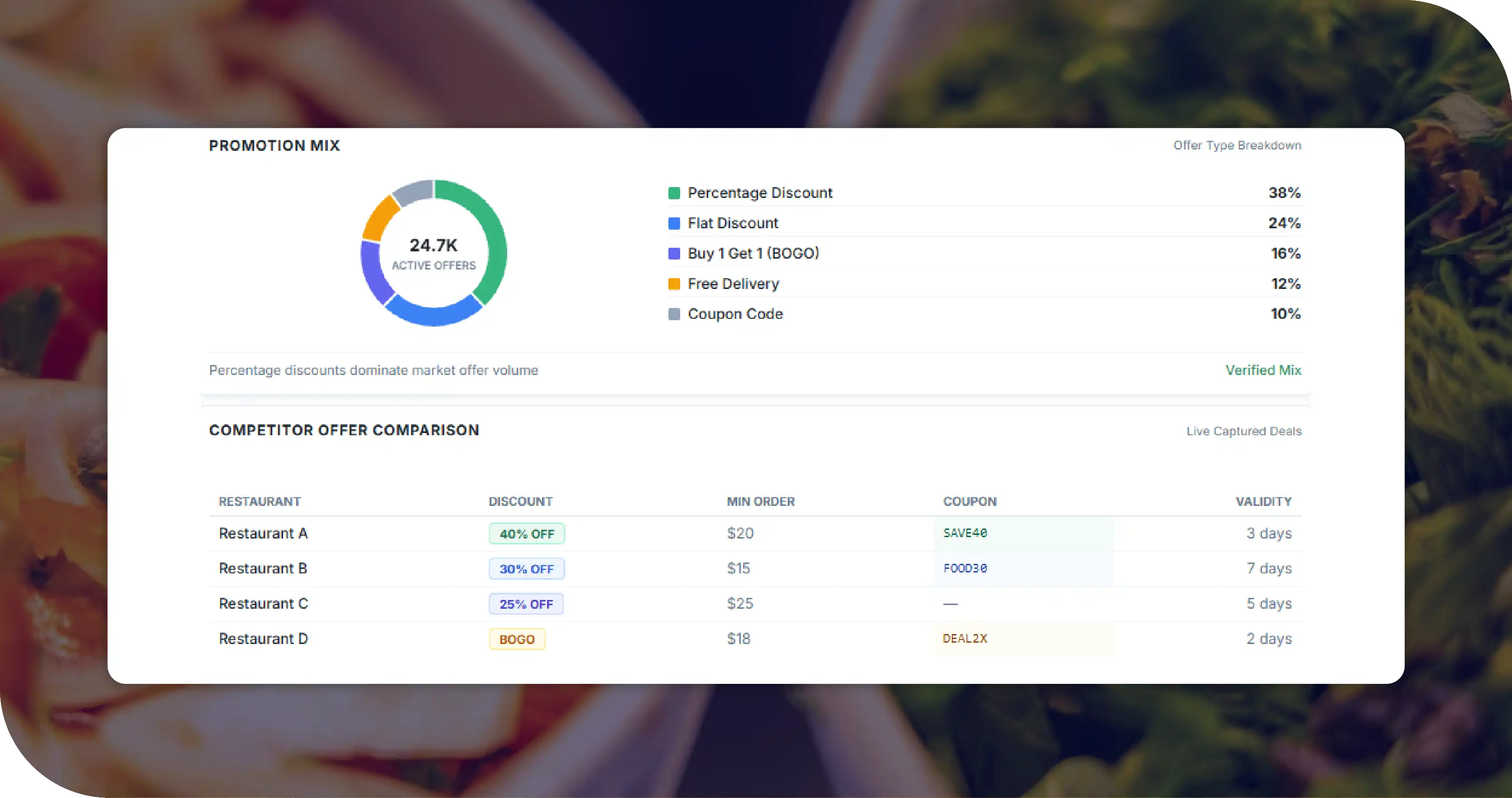
We developed a structured system to capture discounts, coupons, promotional conditions, restaurant offers, and pricing changes across delivery platforms. This helped the client monitor the promo & discount war while comparing promotional strategies across restaurants, locations, and competing apps. -
Automated Offer Collection
Our solution continuously captured changing promotional information, including limited-time deals, percentage discounts, flat offers, coupon codes, minimum order values, and validity periods. The system enabled businesses to Scrape Restaurant Promotions And Offers Data at scale with consistent and structured outputs. -
Scalable Food Data Pipeline
We implemented a scalable Food Data Scraping pipeline designed to handle dynamic restaurant and promotional information from multiple sources. Automated extraction, normalization, validation, and historical storage transformed fragmented promotional data into usable datasets for competitive analysis and strategic decision-making.
Solution Performance Snapshot
| Metric | Before Solution | After Solution | Improvement | Data Captured | Frequency | Platforms | Locations | Restaurants | Accuracy |
|---|---|---|---|---|---|---|---|---|---|
| Restaurants Tracked | 850 | 4,200 | 394% | 4,200 | Daily | 6 | 18 | 4,200 | 97.8% |
| Promotions Collected | 3,600 | 28,500 | 692% | 28,500 | Daily | 6 | 18 | 4,200 | 98.1% |
| Discount Records | 4,100 | 31,200 | 661% | 31,200 | Daily | 6 | 18 | 4,200 | 97.9% |
| Promo Codes | 780 | 6,450 | 727% | 6,450 | Daily | 6 | 18 | 4,200 | 96.8% |
| Limited-Time Offers | 920 | 8,700 | 846% | 8,700 | 6-hourly | 6 | 18 | 4,200 | 97.4% |
| Pricing Snapshots | 5,400 | 42,600 | 689% | 42,600 | Daily | 6 | 18 | 4,200 | 98.3% |
| Historical Records | 12,000 | 186,000 | 1,450% | 186,000 | Archived | 6 | 18 | 4,200 | 99.0% |
Methodologies Used
-
Source Discovery
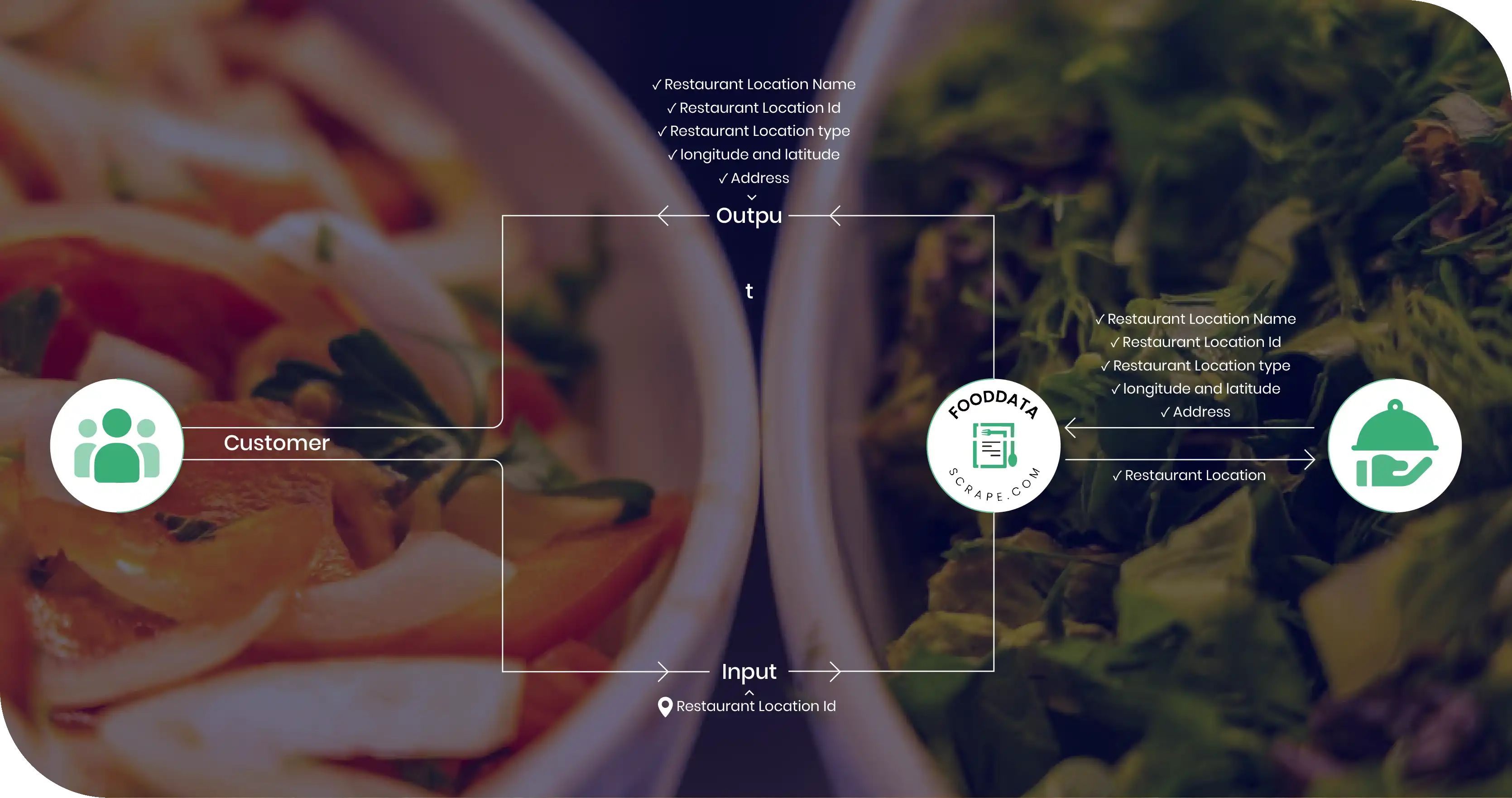
We identified relevant delivery platforms, restaurant pages, promotional sections, coupon interfaces, and location-specific listings. Sources were mapped according to availability, update frequency, data structure, and promotional visibility to create a comprehensive collection framework covering diverse restaurant and offer scenarios. -
Automated Data Extraction
Automated extraction workflows were developed to collect restaurant names, offer descriptions, discount percentages, coupon codes, minimum order values, validity periods, pricing information, and promotional conditions. Structured extraction ensured consistent datasets while reducing manual collection effort across multiple platforms. -
Dynamic Content Handling
The methodology incorporated techniques for handling JavaScript-rendered pages, dynamically loaded offers, changing interfaces, pagination, location-based content, and interactive promotional elements. This ensured important information displayed after page loading or user interaction was captured reliably during scheduled collection. -
Data Normalization
Collected records were standardized into consistent formats by cleaning restaurant names, promotional descriptions, discount values, currencies, dates, locations, and offer conditions. Duplicate records were removed, inconsistent fields were corrected, and historical versions were retained for meaningful promotional comparisons. -
Validation and Monitoring
Quality checks continuously evaluated extracted records for missing fields, outdated offers, duplicate entries, unexpected changes, and extraction failures. Automated monitoring helped identify source-level changes quickly, while historical comparisons supported reliable trend analysis and maintained dataset consistency over time.
Advantages of Collecting Data Using Food Data Scrape
-
Competitive Visibility
Businesses gain a centralized view of restaurant pricing, discounts, coupons, and promotional campaigns across multiple delivery platforms. This broader visibility makes it easier to benchmark competitors, identify aggressive promotional strategies, and understand how offers vary between restaurants, markets, and customer segments. -
Faster Market Analysis
Automated data collection significantly reduces the time required to gather promotional information manually. Regularly refreshed datasets allow teams to analyze changing offers quickly, identify emerging trends, compare campaigns, and respond faster to competitive movements without depending on time-consuming research processes. -
Better Pricing Decisions
Structured historical and current datasets help businesses evaluate discount levels, promotional frequency, minimum order requirements, and pricing patterns. These insights support more informed decisions around campaign planning, promotional budgets, restaurant positioning, and customer acquisition strategies while reducing reliance on assumptions. -
Scalable Data Collection
Our solutions can collect large volumes of restaurant and promotional information across multiple platforms, locations, and categories. Scalable workflows allow businesses to expand monitoring coverage without proportionally increasing manual resources, making ongoing competitive intelligence more efficient and operationally sustainable. -
Reliable Business Intelligence
Cleaned, standardized, and validated datasets provide dependable information for dashboards, analytics platforms, reporting systems, and strategic research. Businesses can combine promotional data with pricing, restaurant, location, and historical information to generate deeper insights and support confident, data-driven business decisions.
Client's Testimonial
"Working with the data scraping team transformed the way we monitor restaurant promotions and pricing across delivery platforms. Previously, our teams spent significant time manually checking discounts, coupon codes, and limited-time offers, making competitive analysis slow and inconsistent. The structured datasets we received gave us timely, organized, and actionable information across multiple markets. We can now compare promotional strategies, identify pricing opportunities, track campaign changes, and make faster business decisions with greater confidence. The solution has significantly improved our market intelligence capabilities while reducing manual research effort. Their technical expertise, scalability, and attention to data quality made the entire project highly valuable for our business."
—Head of Market Intelligence
Final Outcome
The project delivered a scalable and reliable promotional intelligence solution that transformed fragmented delivery-app information into structured, actionable datasets. The client gained continuous visibility into restaurant discounts, coupon codes, limited-time offers, pricing changes, and promotional conditions across multiple platforms and locations.
Automated collection reduced dependence on manual research while improving the speed and consistency of competitive monitoring. Historical datasets enabled the client to compare promotional trends, identify aggressive discounting patterns, evaluate campaign effectiveness, and recognize emerging market opportunities. The solution also made it easier to benchmark restaurants and platforms based on promotional activity and pricing behavior.
Overall, the project strengthened the client's competitive intelligence capabilities, supported faster pricing and campaign decisions, improved market visibility, and created a dependable foundation for ongoing restaurant and delivery-platform analysis.