The Client
The client is a U.S.-based retail intelligence company specializing in pricing analytics, consumer insights, and competitive market research for grocery retailers, FMCG manufacturers, and consumer brands. The organization helps businesses understand pricing trends, promotional effectiveness, and regional market behavior through advanced analytics and reporting. Their customers depend on timely and accurate information for strategic planning and revenue optimization. The company required reliable grocery pricing analytics across 50+ retailers to monitor competitive activity across multiple grocery chains. They also needed accurate US grocery market data extraction for localized pricing analysis across thousands of ZIP codes. Their long-term objective was to Scrape Multi-chain grocery price comparison data into a centralized database that supported dashboards, forecasting models, business intelligence platforms, executive reporting, and customer-facing analytical products with minimal manual intervention.
Key Challenges
-
Real-Time Regional Pricing
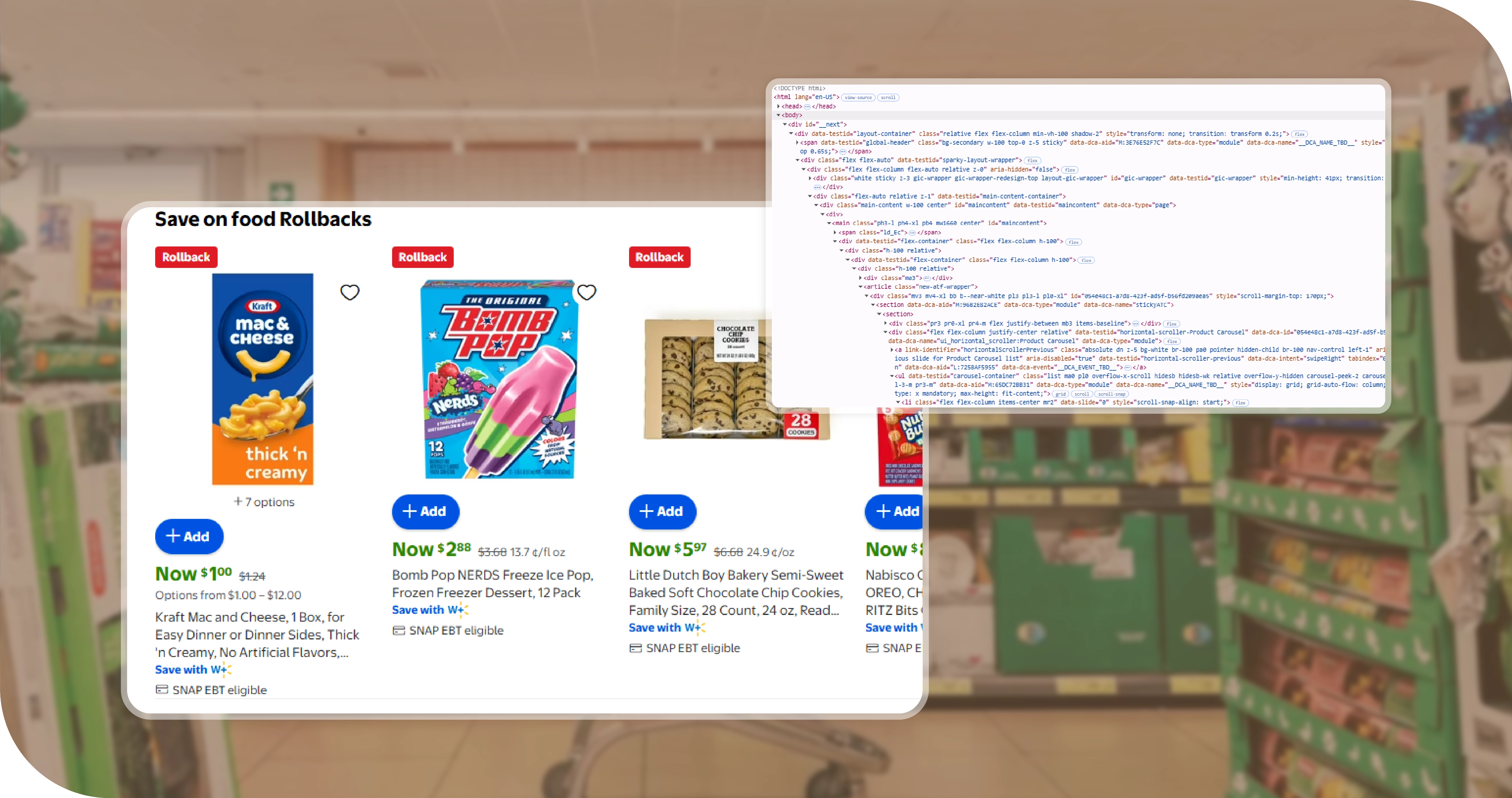
The client struggled to maintain Real-Time Grocery Price Monitoring because grocery prices changed frequently across different ZIP codes, making manual tracking unreliable and preventing analysts from identifying regional pricing opportunities quickly. -
Enterprise Data Collection
Managing Food Data Scraping in the USA across dozens of grocery retailers became increasingly difficult because every website had unique structures, anti-bot mechanisms, dynamic product listings, and varying update frequencies. -
Geographic Intelligence
Building reliable Hyperlocal Intelligence required collecting accurate location-based pricing, promotions, product availability, and assortment information while maintaining standardized datasets suitable for enterprise analytics and reporting.
Key Solutions
-
Automated Data Collection
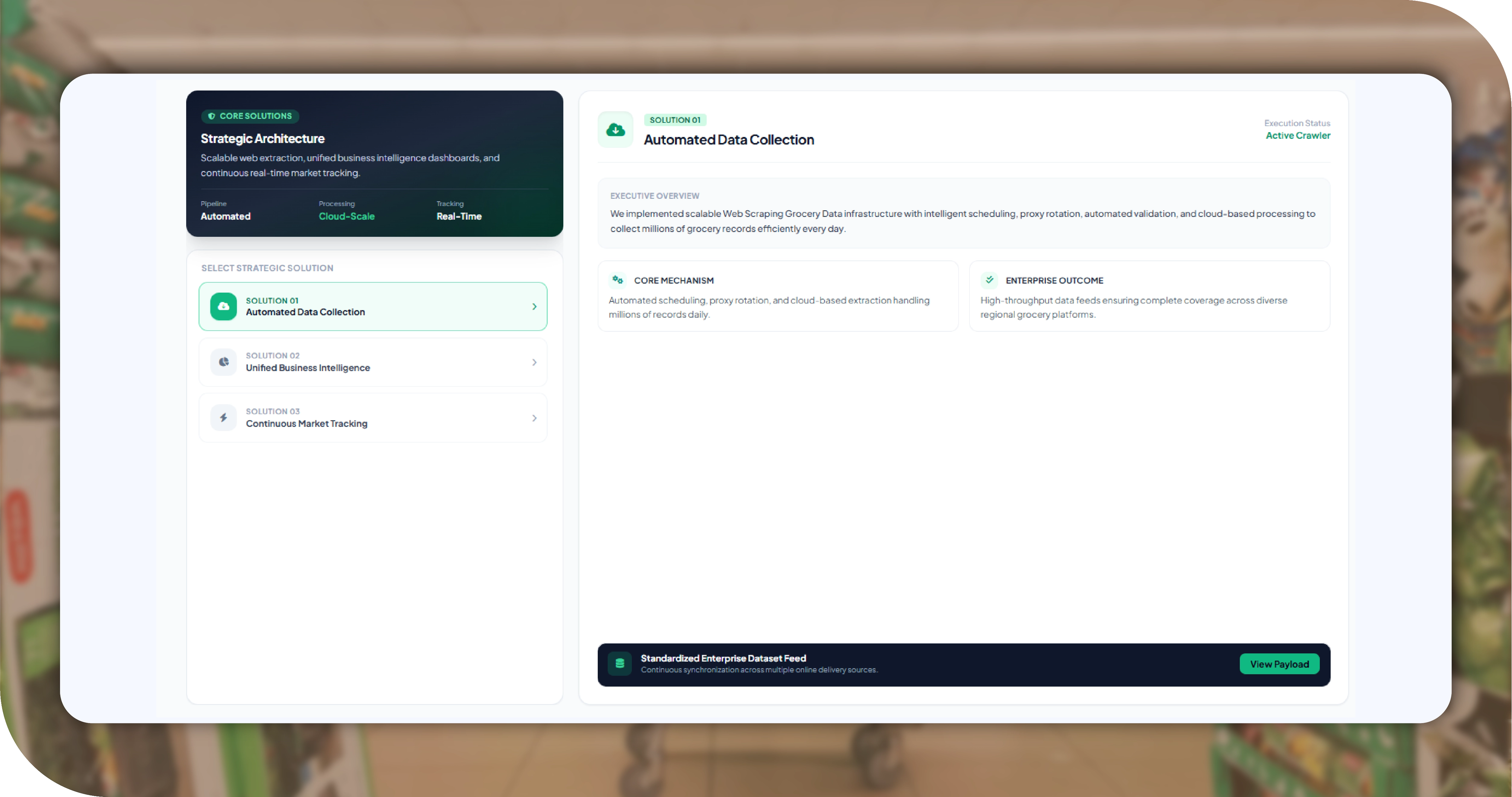
We implemented scalable Web Scraping Grocery Data infrastructure with intelligent scheduling, proxy rotation, automated validation, and cloud-based processing to collect millions of grocery records efficiently every day. -
Unified Business Intelligence
Our team developed an interactive Grocery Price Dashboard that consolidated pricing, promotions, retailer comparisons, historical trends, and ZIP code insights into one centralized reporting platform. -
Continuous Market Tracking
We deployed a real-time Grocery Price Tracking Dashboard that automatically monitored price changes, promotional updates, product availability, and historical comparisons across multiple grocery retailers.
Project Performance
| Performance Metric | Before Implementation | After Implementation | Improvement |
|---|---|---|---|
| Grocery Chains Covered | 9 | 52 | 478% |
| ZIP Codes Monitored | 450 | 19,800 | 4,300% |
| Products Tracked | 65,000 | 3,600,000 | 5,438% |
| Daily Price Records | 250,000 | 23,400,000 | 9,260% |
| Daily Promotions Captured | 14,000 | 2,900,000 | 20,614% |
| Store Locations Covered | 820 | 18,400 | 2,144% |
| Data Accuracy | 88.1% | 99.5% | +11.4% |
| Processing Time | 18 Hours | 2.3 Hours | 87% Faster |
| Manual Research Hours | 640 Hours/Month | 36 Hours/Month | 94% Reduction |
| Dashboard Refresh Frequency | Weekly | Hourly | 168× Faster |
| Product Categories | 24 | 162 | 575% |
| Historical Data Available | 45 Days | 3 Years | 24× Increase |
Methodologies
-
ZIP Code Crawling
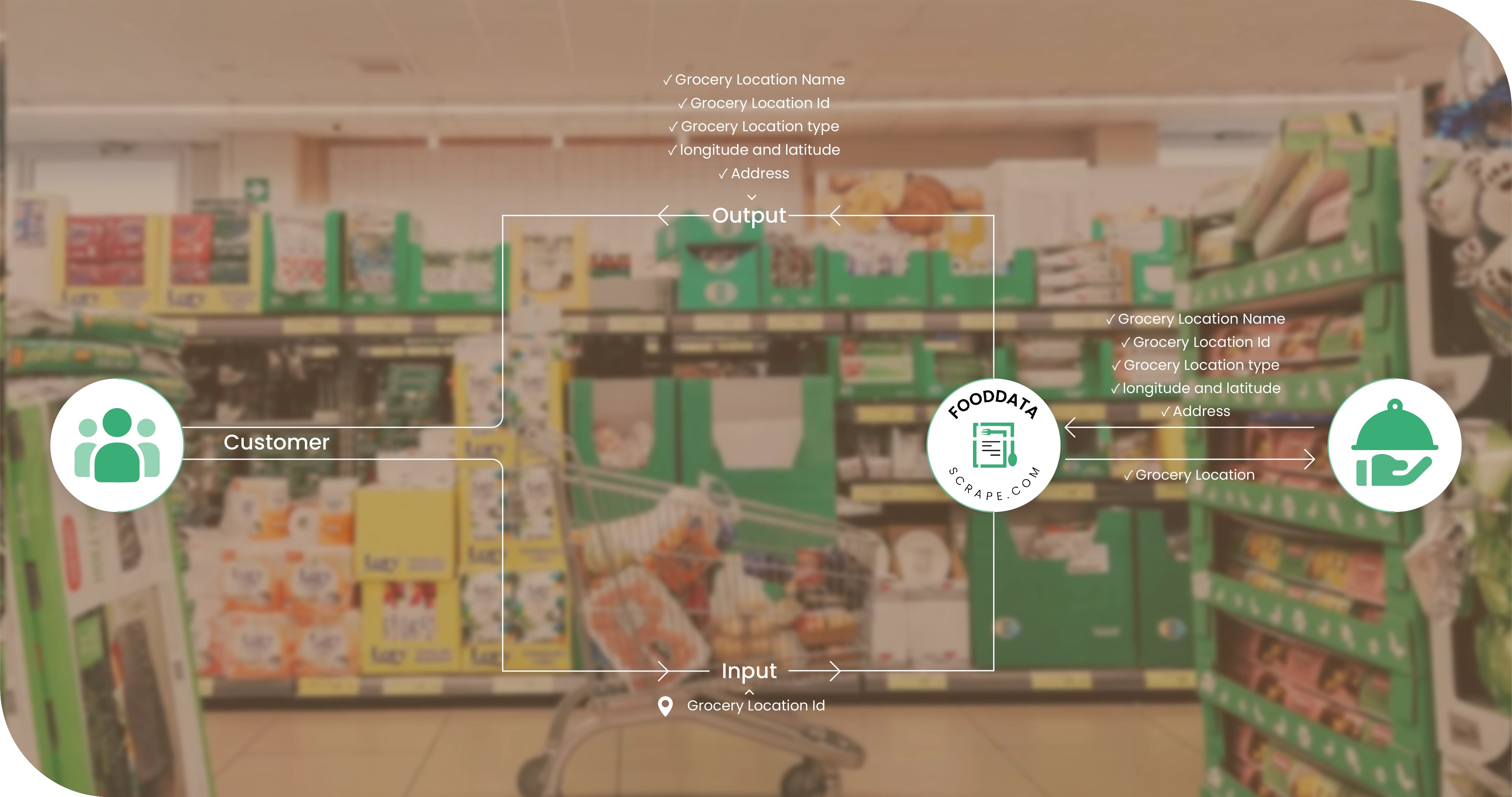
We developed location-aware crawlers that automatically switched ZIP codes to capture localized pricing, promotions, inventory availability, and assortment information from every supported grocery retailer. -
Intelligent Validation
Advanced validation algorithms removed duplicate records, detected pricing anomalies, standardized product information, and improved overall data quality before loading datasets into analytical systems. -
Distributed Cloud Processing
Cloud infrastructure processed millions of product pages simultaneously using workload balancing, automated retries, distributed computing, and intelligent resource allocation for maximum performance. -
Product Matching
Our product normalization engine standardized brands, package sizes, categories, SKUs, and product names across multiple grocery retailers to enable accurate cross-platform comparisons. -
Continuous Monitoring
Automated scheduling captured frequent pricing changes, promotional updates, and historical snapshots while continuously delivering structured datasets to business intelligence platforms.
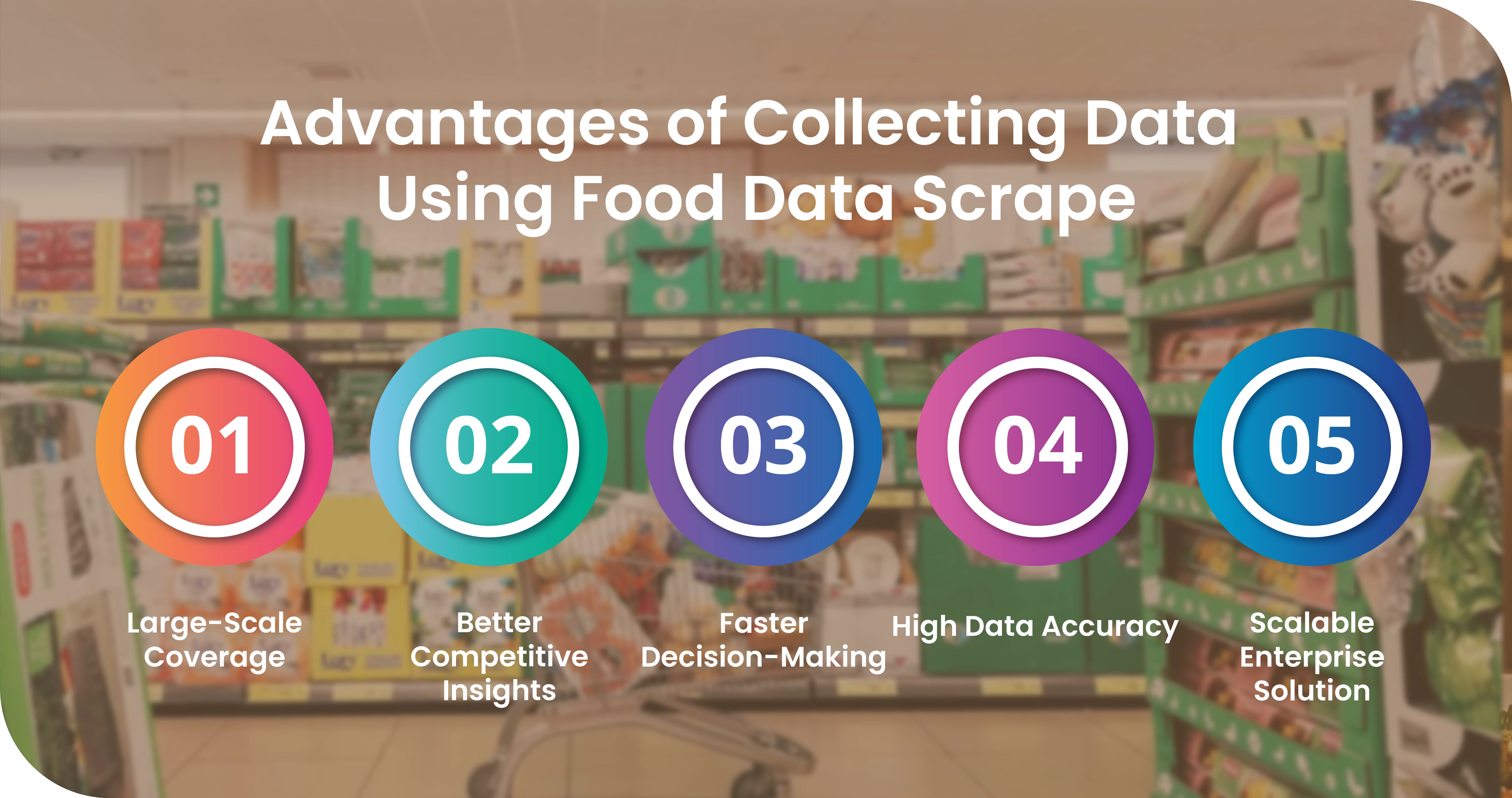
Advantages of Collecting Data Using Food Data Scrape
-
Large-Scale Coverage
Our platform collects millions of grocery records across numerous retailers, providing comprehensive pricing intelligence with consistent formatting and enterprise-grade reliability. -
Better Competitive Insights
Businesses compare competitors, analyze promotions, evaluate pricing strategies, and identify market opportunities using continuously updated grocery intelligence. -
Faster Decision-Making
Automated data collection replaces manual research, allowing organizations to respond quickly to pricing changes and regional market developments. -
High Data Accuracy
Multiple quality assurance processes improve data consistency, eliminate duplicate records, validate pricing information, and maintain reliable business datasets. -
Scalable Enterprise Solution
Our infrastructure easily expands across additional retailers, products, regions, and millions of records while maintaining consistent speed and performance.
Client's Testimonial
"Food Data Scrape delivered exactly what our business needed. Their technical expertise and scalable data collection platform completely transformed our grocery pricing intelligence capabilities. We now receive accurate ZIP code-level pricing updates from dozens of grocery retailers without manual effort. The dashboards are easy to use, the datasets are highly reliable, and the overall solution has significantly improved our reporting and competitive analysis. Their team remained responsive throughout the implementation process and continuously optimized the platform as our business expanded. We now make faster pricing decisions with greater confidence and have substantially improved the value we deliver to our customers. We highly recommend Food Data Scrape for enterprise grocery market intelligence projects."
— Director of Retail Analytics
Final Outcome
The completed solution enabled the client to monitor grocery prices across more than fifty U.S. grocery chains with exceptional speed and accuracy. Automated collection replaced manual research, significantly improving reporting efficiency and reducing operational costs. Through advanced Grocery Data Intelligence, the client gained deeper visibility into regional pricing behavior, promotional activity, competitor movements, and market trends across thousands of ZIP codes. The continuously updated Grocery Datasets supported forecasting models, executive dashboards, customer reports, business intelligence platforms, and long-term market analysis. The project strengthened competitive decision-making, improved pricing transparency, expanded geographic coverage, enhanced customer reporting, and established a scalable data foundation capable of supporting future retail intelligence initiatives across the United States.