Boo-st your food data. Save 20% on scraping services
Menus · Grocery · Alcohol · AI Intelligence, across 40+ countries

The report provides an in-depth look at how web scraping has revolutionized the grocery sector. It highlights how automated data collection from grocery e-commerce platforms empowers stakeholders with real-time and historical pricing insights. By leveraging tools, retailers can make more intelligent pricing decisions, improve inventory management, and understand market trends. The report underscores that web scraping is no longer just a tech solution but a strategic tool that enables dynamic pricing, minimizes stock issues, and supports informed policymaking in response to inflation. Examples from 2024 and 2025 data trends validate how scraping has become essential for navigating the evolving grocery landscape.
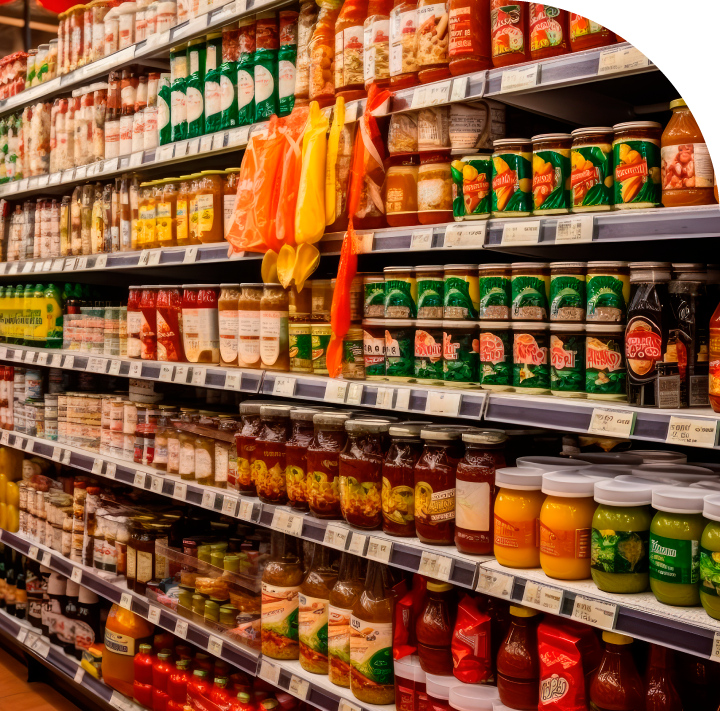
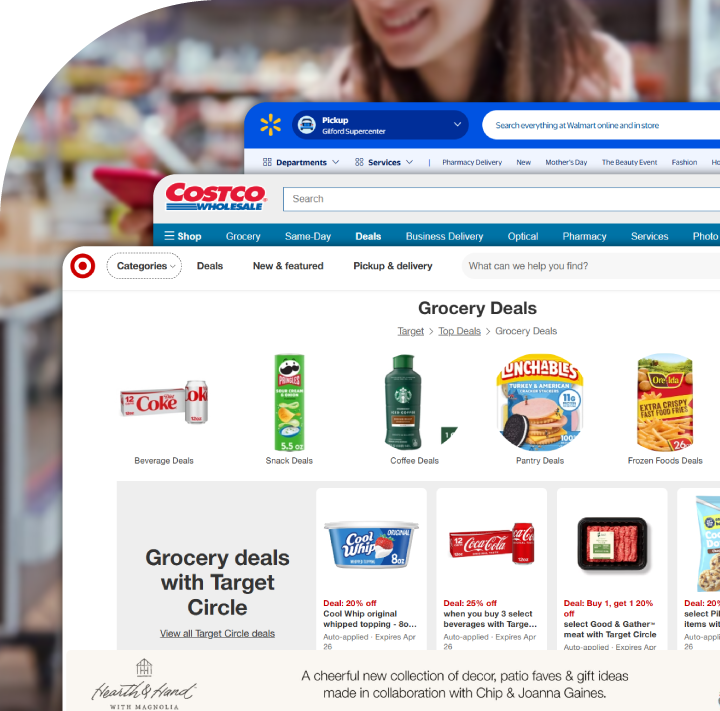
1. Enhanced Inventory Management Efficiency: Retailers can monitor product availability and consumer demand trends by leveraging real-time data extracted from grocery websites and delivery apps. This proactive approach helps avoid overstocking or stockouts. The report highlights that using web scraping tools led to a 15% reduction in stockouts and 10% less overstocking, streamlining inventory operations and cutting unnecessary costs.
2. Dynamic and Competitive Pricing Strategies: Web scraping supports dynamic pricing by continuously tracking competitor pricing and consumer response. Retailers can adjust their prices in real-time to remain competitive. The data enables businesses to react quickly to market shifts, ensuring optimal pricing that attracts customers without compromising profitability.
3. Rising Inflation Tracked Through Price Trends: The report showcases significant price increases in essential grocery items, such as a 10% surge in egg prices and a 5.8% rise in meat costs between 2024 and 2025. These changes reflect broader economic factors like supply chain disruptions and inflation, all of which are effectively monitored using Grocery Pricing Data Intelligence.
4. Visual Insights with Dashboards and APIs: Advanced tools allow businesses to visualize trends, monitor market fluctuations, and act on data-driven insights. These platforms simplify complex datasets and aid strategic pricing, promotions, and procurement decision-making.
5. Empowering SMEs with Market Intelligence: Web scraping levels the playing field by providing small and medium grocery retailers access to insights once exclusive to big players. These businesses can track consumer behavior, pricing patterns, and promotional trends through Grocery Store Datasets, enabling more innovative strategies and boosting competitiveness in the evolving retail market.

The United States grocery food retail market is dynamic and competitive, affected by supply chain dynamics, consumer trends, inflation, and technological changes. In recent years, web scraping has become a groundbreaking technique for gathering real-time and historical prices of online grocery stores. Web Scraping for Tracking Grocery Prices Across the USA automatically collects data on websites, allowing businesses, researchers, and policymakers to monitor market trends, maximize pricing, and learn about consumer behavior. The effect of web scraping on USA grocery price trends is the subject of this report. Web scraping is key in improving pricing strategies, inventory management, and market research. As per recent research and analysis, the report shows how Scraping Grocery Price Data for Trend Analysis in the USA has transformed the grocery sector through concrete data on price trends and market movements. By employing Grocery Price Trend Data Scraping in the USA, the stakeholders are provided with a better sense of price movement, competitive strategies, and buying behaviors, finally enabling companies to make an informed decision in a rapidly changing business environment.
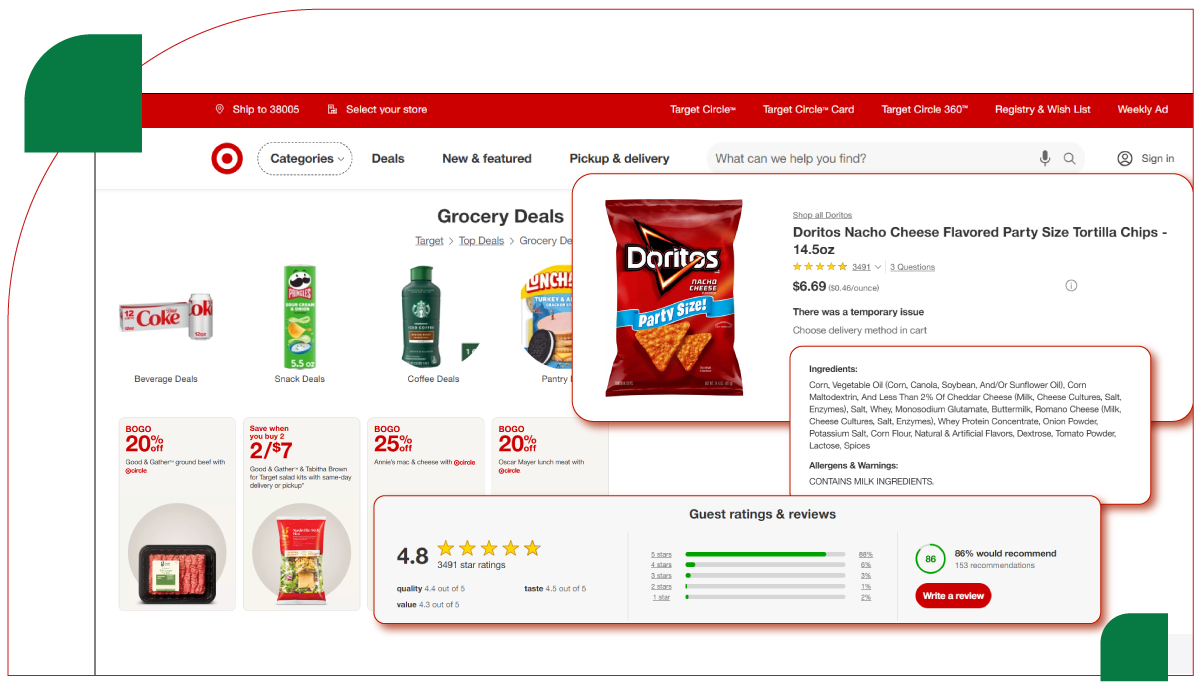
Web scraping has become an indispensable tool for grocery retailers, analysts, and researchers due to its ability to efficiently collect vast amounts of data from online sources. By scraping data from e-commerce platforms, supermarket websites, and grocery delivery apps, stakeholders can access detailed information on product prices, availability, promotions, and consumer preferences. Unlike traditional data collection methods, which are often manual and time-consuming, web scraping automates the process, providing near real-time insights into market conditions. This capability is particularly valuable in the grocery sector, where prices can fluctuate rapidly due to seasonal trends, supply chain disruptions, or shifts in consumer demand.
In the USA, major grocery chains such as Walmart, Kroger, Costco, and Whole Foods, alongside delivery platforms like Instacart and Amazon Fresh, have extensive online presences that serve as rich data sources for web scraping. USA Grocery Data Scraping to Monitor Price Trends allows businesses to track pricing changes and adjust strategies accordingly. The data extracted includes product names, prices, nutritional information, customer reviews, and promotional offers. Retailers can use this data to monitor competitor pricing, identify emerging trends, and remain competitive. Furthermore, businesses can Extract Grocery Price Data from USA Supermarkets to refine their pricing strategies. Extract USA Grocery Price Data for Trend Analysis helps understand shifts in consumer demand and market dynamics. Additionally, Real-time Grocery Price Scraping in the USA supports researchers in studying inflation, price elasticity, and the impact of economic policies on grocery prices.
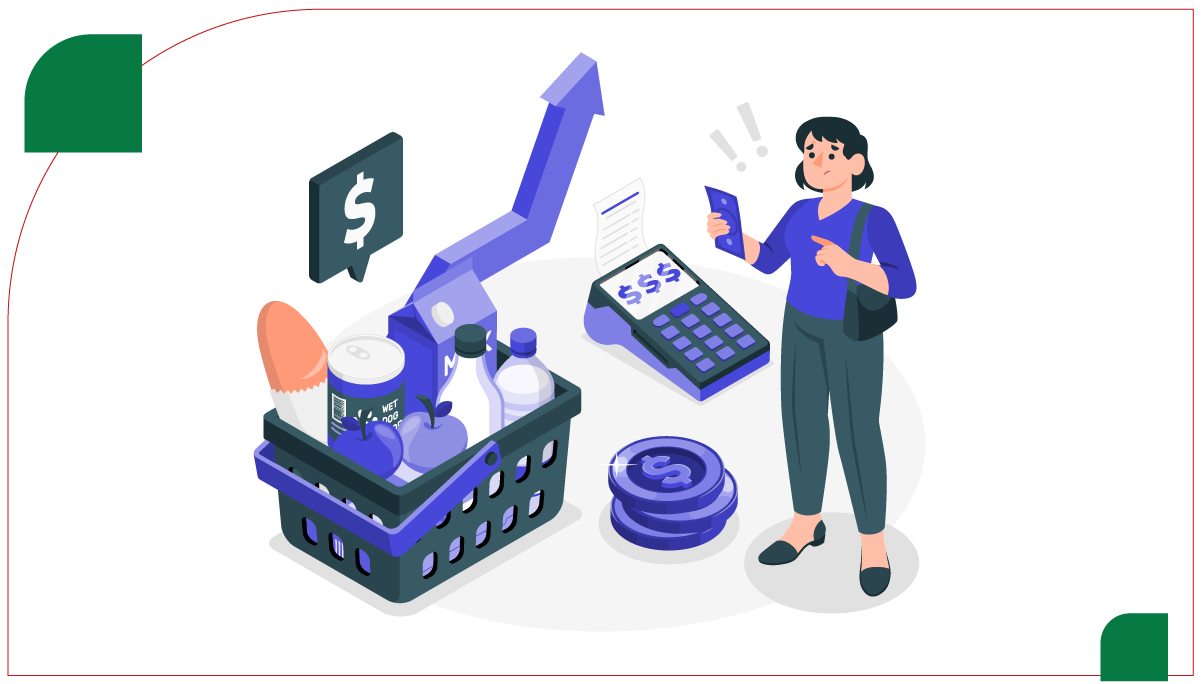
One of the most significant impacts of web scraping on grocery price trends is its role in enabling dynamic pricing strategies. Dynamic pricing involves real-time adjusting prices based on market conditions, competitor pricing, and consumer demand. Scraping Grocery Price Data to Track Trends in the USA provides retailers with up-to-date data on competitors’ prices, allowing them to set competitive prices that attract customers while maintaining profit margins. For instance, a retailer can use scraped data to identify price drops for specific products, such as organic produce or dairy, and respond by adjusting their prices to stay competitive.
Web scraping also facilitates price optimization by analyzing price elasticity and consumer sensitivity to price changes. By studying historical pricing data, retailers can determine optimal price points that maximize sales volume and revenue. For example, a 2024 study by Food Data Scrape demonstrated that retailers using scraped data for price optimization achieved a 12% increase in sales for high-demand products like fresh produce and meat. This approach ensures that prices align with market trends and consumer expectations, reducing the risk of overpricing or underpricing.
Furthermore, web scraping supports promotional strategies by identifying discounts and notable offer trends. Retailers can scrape data on competitors’ promotional campaigns, such as buy-one-get-one-free deals or seasonal discounts, and design similar promotions to capture market share. Grocery App Data Scraping Services enable businesses to monitor these trends efficiently. This data-driven approach to pricing has led to more agile and responsive strategies, enabling retailers to adapt quickly to changing market conditions. Web Scraping Quick Commerce Data also helps retailers gain insights into the fast-paced, real-time pricing dynamics of on-demand grocery services.
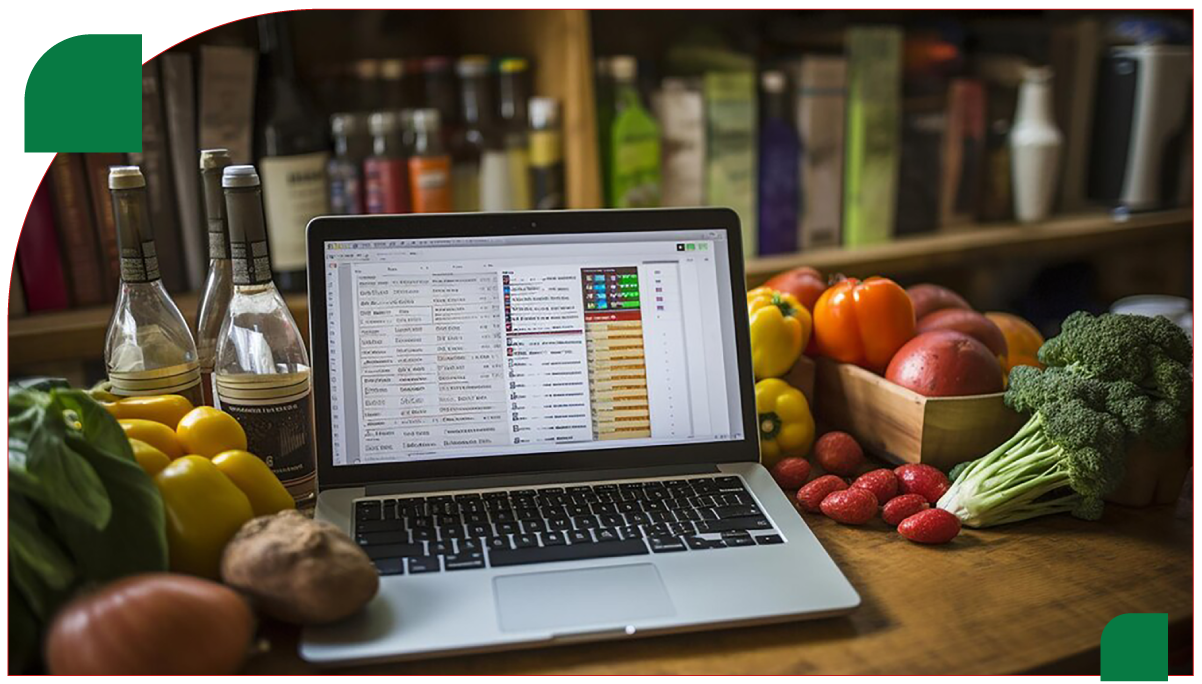
Web scraping is critical in inventory management by providing insights into product availability, demand patterns, and sales trends. By analyzing scraped data, retailers can forecast demand for specific products, such as seasonal items or health-conscious foods, and adjust inventory levels to avoid overstocking or stockouts. For instance, scraping data from grocery delivery apps can reveal which products are frequently out of stock, indicating high demand and prompting retailers to increase stock levels accordingly.
Historical price data scraped from online platforms also helps retailers understand seasonal trends and plan inventory for peak shopping periods, such as holidays. A 2025 report highlighted that retailers using scraped data for inventory management reduced stockouts by 15% and overstocking by 10%, leading to significant cost savings. This data-driven approach ensures that retailers maintain optimal inventory levels, improving operational efficiency and customer satisfaction. Tools like Grocery Delivery Scraping API Services enable real-time tracking and product availability analysis across multiple platforms. A Grocery Price Dashboard allows retailers to visualize trends and adjust pricing strategies based on demand fluctuations. A Grocery Price Tracking Dashboard further empowers businesses to monitor price changes and stock levels efficiently, ensuring smoother inventory management.

Web scraping has revolutionized market research in the grocery sector by providing comprehensive datasets for analyzing consumer behavior and market trends. Researchers can scrape data on product popularity, customer reviews, and social media mentions to identify emerging preferences, such as the growing demand for plant-based foods or organic products. This information enables retailers to tailor their product offerings to meet consumer needs, enhancing their competitive edge.
Additionally, web scraping supports the study of grocery price inflation, a critical issue in the USA. By collecting real-time and historical price data, researchers can calculate price indices, track inflation rates, and assess the impact of economic factors on grocery prices. For example, a 2025 study by the Economic Research Service (ERS) used scraped data to report that food-at-home prices increased by 2.7% 2025, driven by rising costs for eggs, beef, and nonalcoholic beverages. Such insights inform policymakers and economists about the economic landscape and guide interventions to mitigate inflation.
The following table presents data on average price changes for key grocery categories in the USA, based on web-scraped data from major retailers in 2024 and 2025. The data highlights the role of web scraping in tracking price trends across different product categories.
| Grocery Category | Average Price 2024 ($) | Average Price 2025 ($) | % Change |
|---|---|---|---|
| Fresh Fruits | 1.50 | 1.55 | +3.3% |
| Fresh Vegetables | 1.80 | 1.87 | +3.9% |
| Dairy (Milk, 4L) | 3.90 | 4.05 | +3.8% |
| Meat (Ground Beef, lb) | 5.20 | 5.50 | +5.8% |
| Eggs (Dozen) | 3.00 | 3.30 | +10.0% |
| Nonalcoholic Beverages | 2.50 | 2.60 | +4.0% |
The table illustrates significant price increases in categories like eggs and meat, reflecting supply chain challenges and inflation. Web scraping enabled collecting this data from multiple retailers, providing a comprehensive view of price trends.
The adoption of web scraping has broader implications for the grocery industry, fostering innovation and competitiveness. By providing real-time insights into pricing, inventory, and consumer preferences, web scraping empowers retailers to make data-driven decisions that enhance operational efficiency and customer satisfaction. Small and medium-sized retailers, in particular, benefit from web scraping by gaining access to market intelligence that was previously available only to larger chains with extensive resources.
Moreover, web scraping supports the development of personalized shopping experiences. Retailers can analyze scraped data on consumer purchasing patterns to offer tailored promotions and product recommendations, improving customer loyalty. For example, grocery apps that use scraped data to provide price comparisons and deal alerts have gained popularity among cost-conscious consumers.
Web scraping has profoundly impacted grocery price trends in the USA by enabling dynamic pricing, enhancing inventory management, and supporting market research. Its ability to provide real-time and historical data has empowered retailers to optimize pricing strategies, reduce inefficiencies, and respond to consumer preferences. The data presented in this report underscores the significant price increases in key grocery categories, highlighting the importance of web scraping in tracking inflation and market dynamics. As the grocery industry evolves, web scraping will remain critical for fostering innovation, competitiveness, and consumer-centric strategies. By leveraging web-scraped data, stakeholders can navigate the complexities of the grocery market and ensure long-term success in a rapidly changing landscape. Grocery Pricing Data Intelligence enables businesses to gain deeper insights into pricing fluctuations, while Grocery Store Datasets provide comprehensive information for informed decision-making and strategic planning.
Are you in need of high-class scraping services? Food Data Scrape should be your first point of call. We are undoubtedly the best in Food Data Aggregator and Mobile Grocery App Scraping service and we render impeccable data insights and analytics for strategic decision-making. With a legacy of excellence as our backbone, we help companies become data-driven, fueling their development. Please take advantage of our tailored solutions that will add value to your business. Contact us today to unlock the value of your data.