
The report delivers comprehensive seasonal market intelligence by analyzing consumer demand, food pricing movements, product availability, restaurant trends, and competitive dynamics during the rainy season. Monsoon conditions significantly influence purchasing patterns, creating demand shifts across beverages, snacks, fresh produce, ready-to-eat meals, FMCG products, and food delivery services.
This report highlights how businesses leverage automated data scraping, AI-driven analytics, and real-time monitoring solutions to capture valuable insights from grocery platforms, restaurant applications, ecommerce marketplaces, and retail channels. By tracking price fluctuations, inventory levels, promotions, customer ratings, and regional preferences, organizations can improve forecasting, optimize procurement, and enhance pricing strategies.
The research demonstrates the importance of seasonal food intelligence for retailers, FMCG companies, restaurants, and market researchers seeking actionable insights to adapt quickly to changing consumer behavior and maximize business opportunities during the 2026 monsoon season.

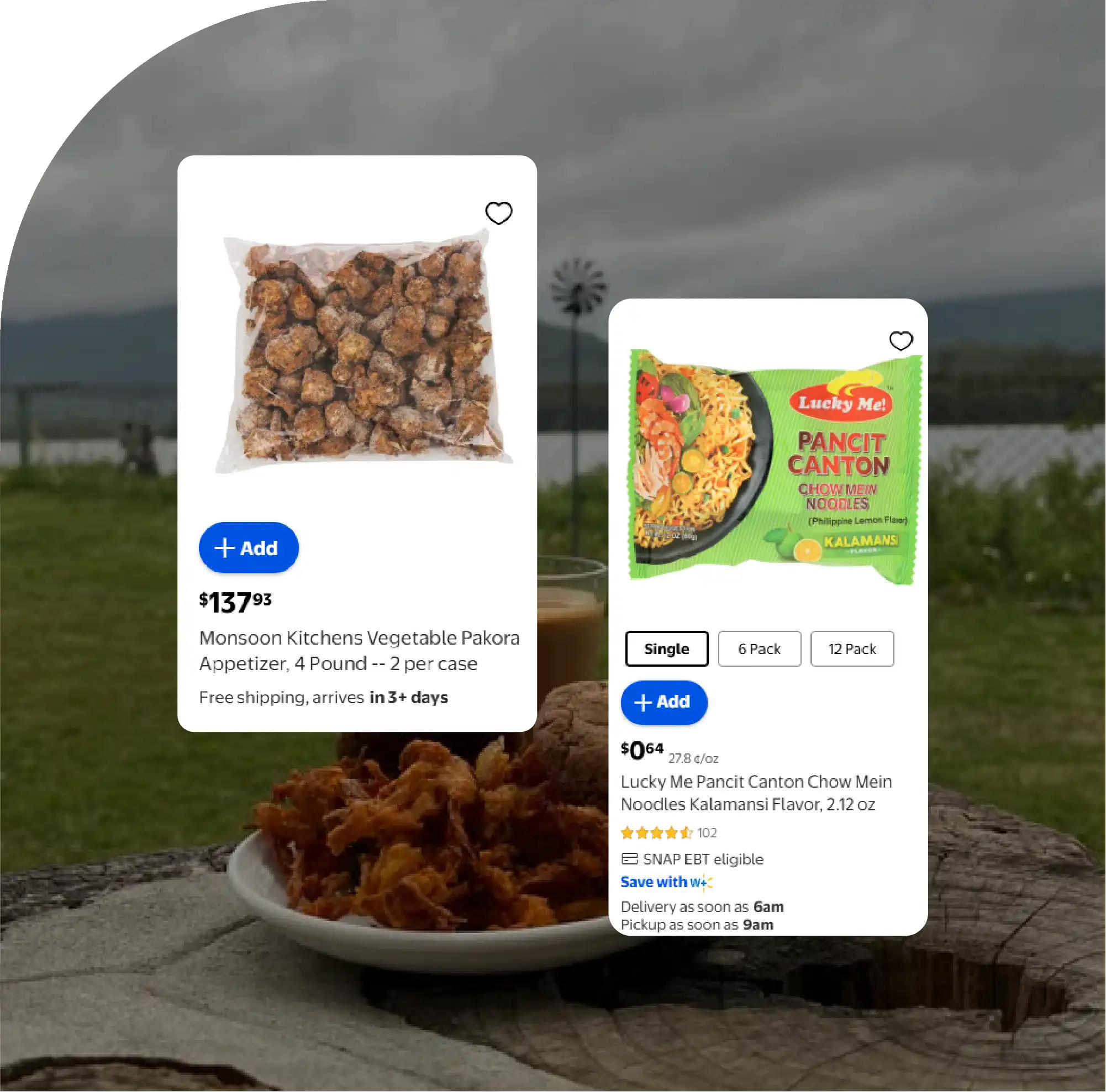
Seasonal Insights
Tracks monsoon-driven demand changes, food preferences, and purchasing patterns.
Price Monitoring
Analyzes real-time food prices, fluctuations, and promotional strategies.
Demand Forecasting
Predicts seasonal trends using historical and live market data.
Availability Tracking
Monitors product stock levels across digital food marketplaces.
Restaurant Intelligence
Captures menus, ratings, delivery trends, and customer behavior.

The monsoon season has always influenced food purchasing patterns, restaurant demand, grocery consumption, and retail pricing across multiple markets. In 2026, businesses are relying more than ever on digital intelligence to understand these seasonal changes and respond quickly to shifting consumer preferences. Rainfall affects everything from fresh produce availability to restaurant ordering behavior, making real-time market visibility an essential component of successful business planning.
Companies increasingly invest in method to Scrape Monsoon Food Trends Data 2026 solutions to collect structured information from grocery stores, food delivery platforms, restaurant websites, FMCG marketplaces, and quick commerce applications. These datasets enable retailers and manufacturers to identify demand spikes, optimize inventory, and improve pricing strategies before competitors react.
Modern Monsoon Food Trends Data Scraping technologies automate the collection of millions of data points every day, while Real-Time Monsoon Food Price Monitoring helps organizations continuously track changing prices, promotional campaigns, and product availability across different regions.
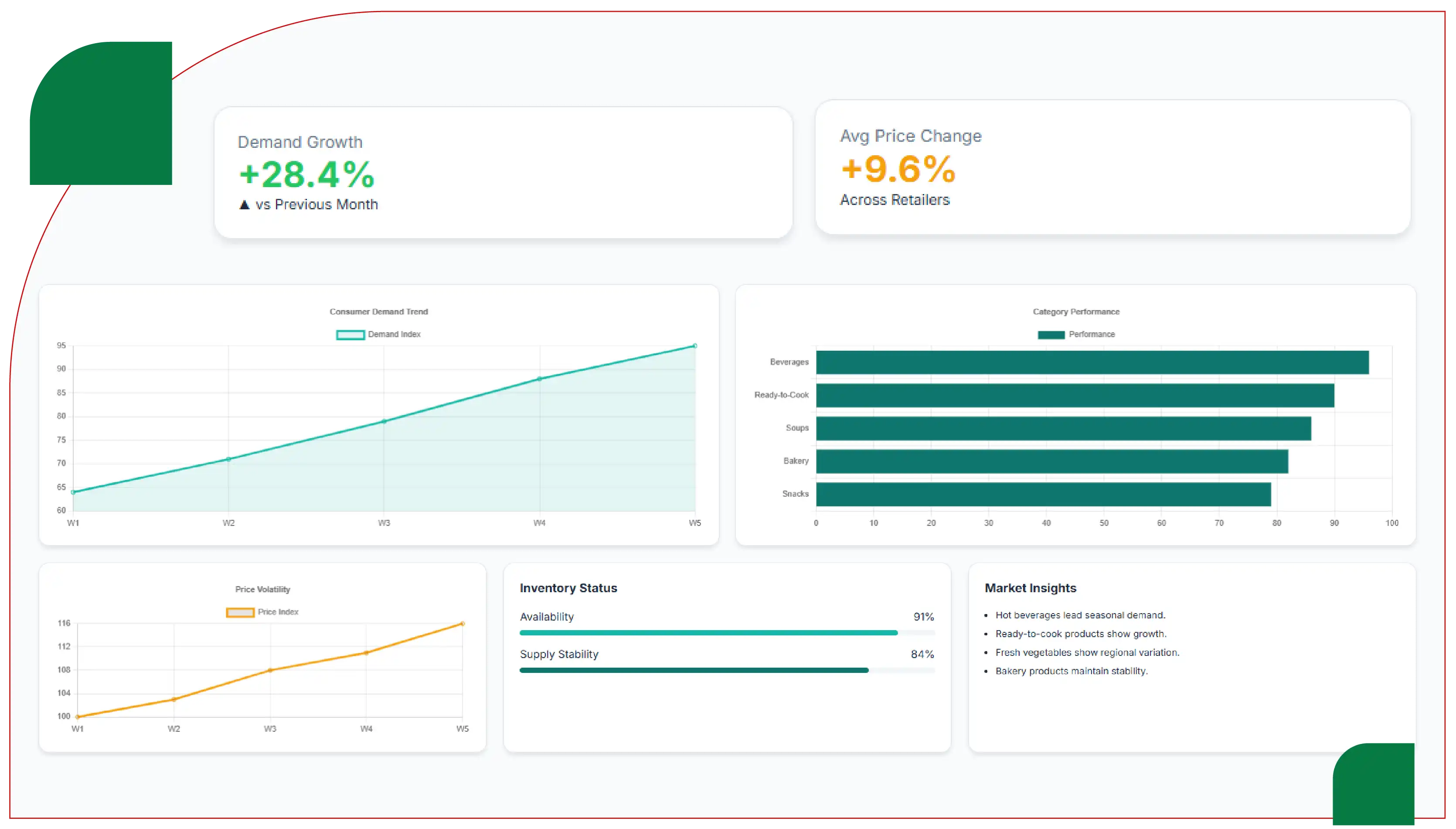
Consumer behavior changes significantly during the rainy season. Hot beverages, comfort foods, ready-to-cook meals, soups, snacks, bakery products, fresh vegetables, and immunity-boosting products witness noticeable increases in demand. At the same time, logistics disruptions and changing supply conditions create frequent price fluctuations across both online and offline retail channels.
Businesses that continuously monitor seasonal market dynamics can forecast demand more accurately, reduce inventory shortages, improve procurement decisions, and enhance customer satisfaction. Rather than depending on historical reports, organizations now use automated data collection to obtain fresh insights every hour.
Comprehensive seasonal monitoring also helps businesses evaluate competitor promotions, identify emerging product categories, monitor customer reviews, and measure regional purchasing differences.
Food market intelligence combines information from numerous digital platforms. Each source contributes unique insights into changing consumer preferences and market performance.
Primary sources include grocery delivery platforms, supermarket websites, food delivery applications, restaurant portals, FMCG marketplaces, retail chains, quick commerce platforms, wholesale suppliers, consumer review websites, and brand-owned ecommerce stores.
Integrating multiple datasets enables businesses to develop a comprehensive understanding of pricing trends, availability, customer engagement, and seasonal purchasing behavior.
| Product Category | Average Daily Orders | Average Price (USD) | Weekly Price Change (%) | Availability (%) | Demand Score | Promotion Frequency (%) | Customer Rating |
|---|---|---|---|---|---|---|---|
| Instant Noodles | 24,850 | 2.40 | 5.6 | 98 | 95 | 46 | 4.7 |
| Soup Mixes | 16,420 | 3.20 | 7.2 | 96 | 91 | 41 | 4.6 |
| Tea Products | 31,680 | 5.90 | 4.0 | 99 | 97 | 53 | 4.8 |
| Coffee | 19,870 | 6.85 | 3.8 | 98 | 89 | 37 | 4.7 |
| Frozen Snacks | 21,360 | 7.40 | 8.5 | 93 | 90 | 44 | 4.5 |
| Bread | 33,250 | 3.10 | 2.5 | 99 | 96 | 35 | 4.8 |
| Butter | 20,150 | 5.70 | 3.4 | 98 | 87 | 31 | 4.6 |
| Fresh Vegetables | 43,720 | 16.20 | 12.5 | 87 | 94 | 18 | 4.5 |
| Seasonal Fruits | 29,430 | 18.90 | 11.2 | 88 | 92 | 17 | 4.6 |
| Herbal Drinks | 13,840 | 8.70 | 6.3 | 95 | 85 | 29 | 4.4 |
| Ready Meals | 17,950 | 10.80 | 5.4 | 96 | 88 | 32 | 4.5 |
| Biscuits | 27,480 | 2.90 | 2.7 | 99 | 90 | 38 | 4.7 |
FMCG companies closely monitor seasonal purchasing patterns because weather conditions directly influence demand across several product categories. Automated collection systems help organizations identify products experiencing unusually high growth, detect regional consumption differences, evaluate competitor pricing, and measure promotional effectiveness.
Businesses also use Monsoon FMCG Food Data Scraping to analyze category-level performance, identify emerging brands, monitor stock movement, and evaluate retail assortment strategies across supermarkets and online marketplaces. These insights improve merchandising decisions while reducing excess inventory and stock shortages.
Accurate market visibility allows procurement teams to anticipate supplier requirements, improve warehouse planning, and align production schedules with expected seasonal demand.
Seasonal demand is influenced by multiple factors including rainfall intensity, temperature, festivals, local preferences, transportation conditions, and promotional campaigns. Advanced analytics help organizations convert raw market data into meaningful business intelligence.
Using Seasonal Food Market Intelligence, businesses can identify which product categories experience consistent growth, determine peak purchasing hours, analyze regional preferences, and evaluate long-term consumption patterns. These insights support better pricing, marketing, and inventory planning while improving overall operational efficiency.
Retailers also gain a clearer understanding of customer buying behavior by combining transaction data with product availability and promotional activity.
Predictive analytics has become an essential tool for seasonal business planning. Historical datasets combined with live market information enable organizations to forecast future demand with greater confidence.
Companies implementing Monsoon Food Demand Analytics can identify fast-growing categories, estimate future sales volumes, predict inventory requirements, evaluate customer purchasing frequency, and recognize emerging food preferences before they become mainstream.
These predictive capabilities reduce uncertainty while supporting more effective supply chain planning and resource allocation.
Product availability remains one of the most important performance indicators during the rainy season. Transportation disruptions, supplier delays, and changing demand frequently affect inventory levels.
Organizations depend on Monsoon Food Availability Data Tracking to monitor stock availability across grocery platforms, supermarkets, warehouses, and delivery applications. Continuous monitoring enables businesses to identify out-of-stock products, evaluate replenishment efficiency, and compare inventory performance across multiple regions.
Improved availability monitoring minimizes lost sales opportunities while strengthening customer satisfaction.
Restaurant ordering behavior changes considerably during monsoon months. Consumers increasingly prefer warm meals, soups, snacks, regional cuisines, and beverages that complement rainy weather.
Businesses use Web Scraping Food Delivery Data to collect information related to restaurant rankings, delivery charges, customer reviews, estimated delivery times, promotional offers, and cuisine popularity. This information provides valuable insights into consumer preferences and competitive positioning across food delivery ecosystems.
Restaurants can benchmark their offerings against competitors while identifying pricing opportunities and menu gaps.
Menus change frequently throughout the rainy season as restaurants introduce seasonal recipes and promotional offers.
Organizations Extract Restaurant Menu Data to monitor newly introduced dishes, combo meals, pricing updates, ingredient changes, nutritional information, and limited-time promotions. Continuous monitoring helps restaurant chains evaluate competitor strategies while improving menu optimization and pricing decisions.
Menu intelligence also supports market research by identifying changing consumer preferences across geographic regions.
Modern businesses increasingly depend on automation to collect large-scale food market information. APIs provide structured access to pricing, menu updates, delivery availability, and customer engagement metrics without requiring manual data collection.
A robust Food Delivery Scraping API enables organizations to integrate restaurant information, pricing updates, customer ratings, delivery coverage, estimated delivery times, promotional campaigns, and menu availability directly into business intelligence platforms.
Automation significantly improves data accuracy while reducing operational costs associated with manual research.
| Region | Restaurants Tracked | Grocery Stores | Avg Delivery Time (Minutes) | Avg Menu Price (USD) | Avg Discount (%) | Orders per Week | Availability (%) | Customer Rating |
|---|---|---|---|---|---|---|---|---|
| North | 4,950 | 2,180 | 29 | 13.80 | 18 | 286,400 | 97 | 4.6 |
| South | 5,360 | 2,510 | 27 | 12.90 | 20 | 315,800 | 98 | 4.7 |
| East | 4,020 | 2,040 | 31 | 11.70 | 17 | 245,300 | 95 | 4.5 |
| West | 5,780 | 2,820 | 28 | 14.40 | 22 | 362,600 | 99 | 4.8 |
| Central | 3,120 | 1,460 | 33 | 11.00 | 15 | 188,500 | 94 | 4.4 |
| Metro Cities | 8,050 | 4,080 | 24 | 15.90 | 25 | 634,900 | 99 | 4.8 |
| Tier-2 Cities | 4,760 | 2,310 | 30 | 12.10 | 19 | 331,600 | 96 | 4.6 |
| Tier-3 Cities | 2,940 | 1,240 | 35 | 9.90 | 14 | 168,200 | 92 | 4.3 |
Raw market data becomes valuable only when transformed into actionable insights. Businesses analyze pricing trends, customer behavior, inventory movement, product popularity, and promotional effectiveness to improve operational performance.
Comprehensive Restaurant Data Intelligence enables restaurant chains, grocery retailers, FMCG brands, investors, and market research organizations to evaluate competitive positioning, optimize pricing strategies, improve product assortment, and forecast future market opportunities.
As digital commerce continues to expand, organizations that leverage structured seasonal datasets gain faster access to emerging market trends while making more informed business decisions.
Seasonal food markets are becoming increasingly dynamic, requiring businesses to respond quickly to changing customer preferences, fluctuating prices, and evolving supply chain conditions. Continuous monitoring of grocery platforms, restaurant menus, delivery services, and consumer purchasing behavior provides organizations with the intelligence needed to remain competitive throughout the monsoon season.
Modern Food delivery Intelligence solutions integrate pricing, inventory, menu updates, customer engagement, and demand forecasting into a unified analytics ecosystem. Interactive Food Price Dashboard platforms further simplify decision-making by providing real-time visibility into seasonal market performance. Combined with comprehensive Food Datasets, these insights empower retailers, FMCG companies, restaurants, and market researchers to optimize pricing, improve inventory planning, strengthen customer experiences, and capitalize on emerging opportunities during the 2026 monsoon season.
If you are seeking for a reliable data scraping services, Food Data Scrape is at your service. We hold prominence in Food Data Aggregator and Mobile Restaurant App Scraping with impeccable data analysis for strategic decision-making.